








How To Pack a Mini Backpack for a Hiking Trip
Limited space makes packing for a hike more challenging because hikers must justify every item they pack. A smaller pack forces hikers to make more deliberate decisions, and the way they arrange their gear determines whether those choices improve efficiency or create frustration. The goal is not to carry less for the sake of it, but to carry what matters in a way that supports movement on the trail.
When packing a mini backpack for a hiking trip, the focus centers on balancing essentials with limited capacity while maintaining accessibility throughout the hike. A well-packed bag should support changing conditions without forcing constant adjustments. When every item has a purpose and a place, even a compact pack can handle more than expected.
Understand the Limits of a Smaller Pack
A mini backpack forces hikers to make careful packing decisions because the small space shapes every item they select. Unlike larger hiking packs, there is little room for redundancy, which means unnecessary gear quickly becomes a problem. This limitation encourages a more thoughtful approach to packing that focuses on efficiency.
Rather than attempting to replicate a larger setup, it makes more sense to adjust expectations and focus on essentials that support the length and intensity of the hike. Accepting these limits early allows for better decision-making before items ever enter the bag.
Prioritize Essentials Based on Trail Conditions
Every hike presents different demands depending on the terrain, weather, and duration of the hike. A short trail in stable conditions may require minimal gear, while a longer or more unpredictable route calls for additional preparation. Packing should reflect those variables.
Hikers should prioritize essentials, such as water and safety items, by evaluating what they will realistically use during the hike. This keeps the load practical without sacrificing preparedness.
Choose Multi-Use Gear Whenever Possible

Multi-use gear reduces the number of items you need to pack while creating more flexibility in a limited space. A lightweight jacket can provide warmth during breaks while serving as protection against unexpected weather changes. Similarly, certain tools or accessories can perform more than one function on the trail.
Selecting gear that supports multiple needs allows the backpack to remain compact without feeling underprepared. Instead of packing separate items for every scenario, multi-use gear creates flexibility without increasing bulk.
Balance Weight for Better Movement
Weight distribution becomes more noticeable in a smaller backpack because there is less space to adjust placement once everything is packed. Heavier items should sit closer to the back panel to keep the load stable and aligned with the body. This placement improves balance and reduces strain during movement.
Keeping the load centered prevents the bag from shifting while walking, which can become distracting on uneven terrain. Even with a lighter load, poor placement can affect comfort and make the hike feel more demanding than necessary.
Organize for Quick Access on the Trail
Accessibility matters more on a hike because stopping frequently to search for items disrupts momentum. Hikers should keep frequently used items, such as snacks and navigation tools, within easy reach, so they do not need to unpack the entire bag. A clear organization system keeps everything within reach when needed.
Smaller compartments and exterior pockets can support this by separating frequently used items from the main storage area. When access aligns with usage, the backpack supports the pace of the hike.
Manage Hydration Without Wasting Space
Water often takes up the largest portion of space in a mini backpack, which makes efficient storage important. Whether using bottles or a hydration system, placement should keep weight balanced while maintaining easy access. Poor placement can affect both comfort and convenience during the hike.

Planning hydration based on a trail’s length and available refill points prevents overpacking. Carrying more water than necessary can reduce space for other essentials, while carrying too little creates obvious risks. Finding the right balance keeps the backpack functional without becoming overloaded.
Pack Layers Without Creating Bulk
Weather conditions can shift quickly during a hike, which makes layering an important part of packing. However, bulky clothing can consume valuable space inside a smaller bag. Lightweight layers that compress easily provide a better solution because they maintain flexibility without taking over the backpack.
Packing layers efficiently allows hikers to adjust to changing conditions without carrying unnecessary bulk. Compressible materials and compact designs make it easier to include essential clothing without sacrificing space for other items.
Leave Room for Small Adjustments
Packing a mini backpack to full capacity may seem efficient at first, but it often creates limitations once the hike begins. Small adjustments, such as storing removed layers or carrying additional items along the trail, require available space inside the bag. Without that flexibility, organization can break down quickly.
Leaving a small amount of open space allows the backpack to adapt as conditions change. This keeps the system functional from start to finish without repacking throughout the hike.
Select the Right Pack for the Trip
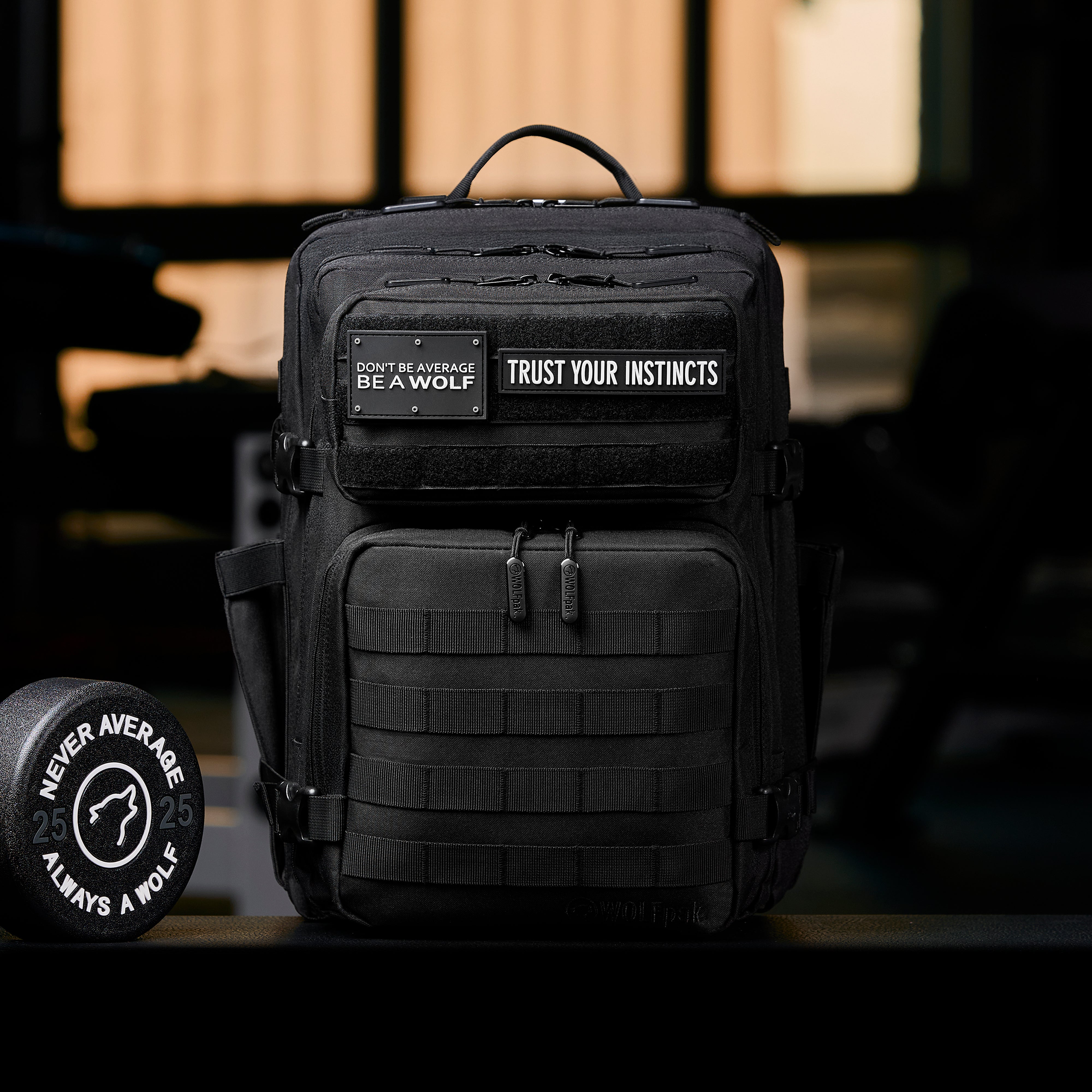
Packing strategy influences efficiency, but the backpack must support how you organize and carry your gear. A well-designed compact bag provides enough structure to keep gear organized while remaining comfortable during movement. Features, such as durable materials and thoughtful compartment layouts, contribute to performance.
For shorter hikes or lightweight travel, a mini gym backpack can provide the right balance between portability and storage. Choosing a pack that aligns with the intended use makes packing more effective and improves the hiking experience.
Pack Smart and Stay Ready on the Trail
Packing efficiently with limited space requires a shift in approach, but the payoff comes in the form of a lighter, more manageable setup. A smaller pack supports a wide range of hiking scenarios when hikers prioritize essentials, pack multipurpose gear, and distribute weight evenly. The key lies in building a system that works consistently during the hike.
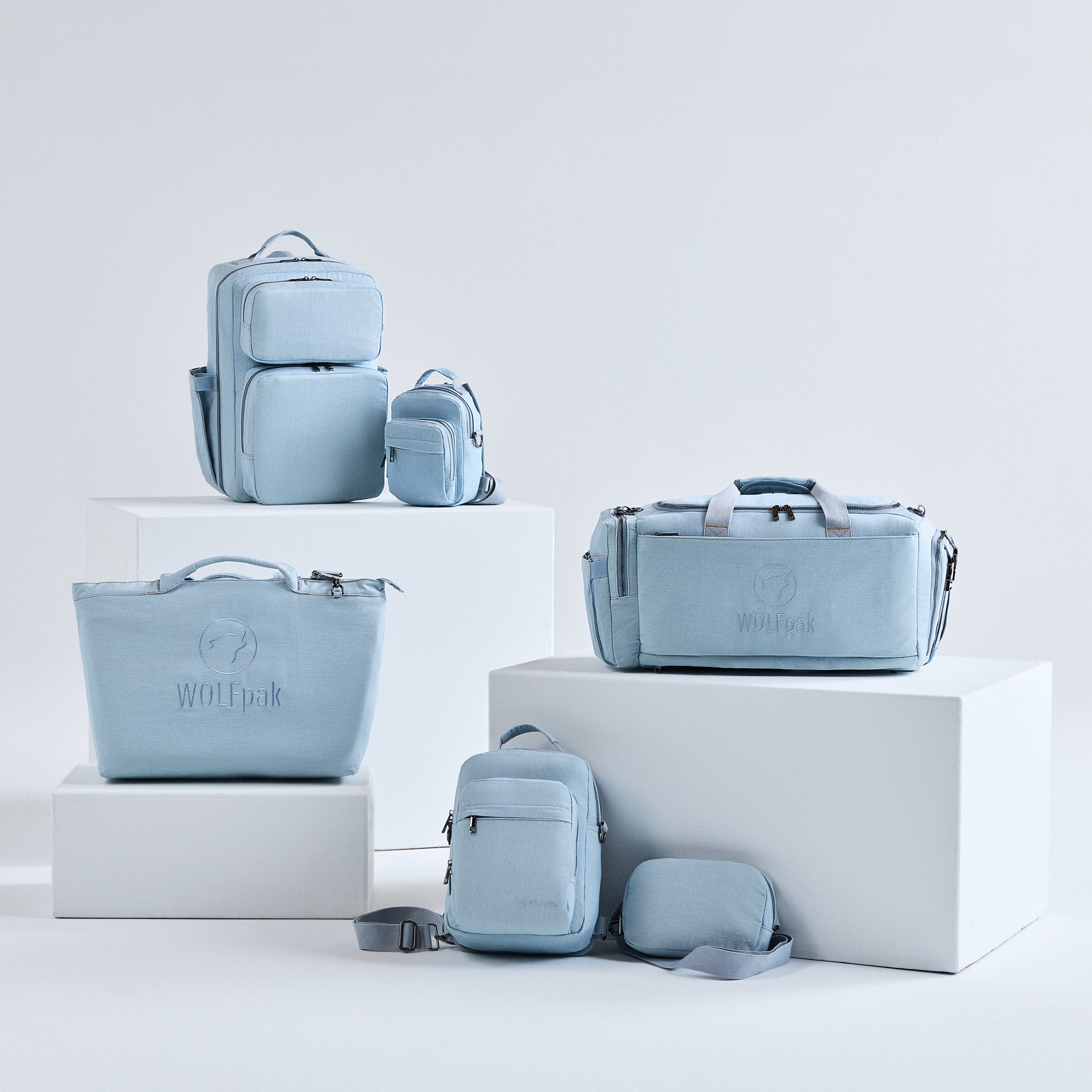
Understanding how to pack a mini backpack for a hiking trip allows hikers to move more comfortably while staying prepared for changing conditions. If you're looking for a compact and durable mini backpack designed for efficient storage and everyday versatility, explore WOLFpak’s collection to find a pack that supports both performance and convenience on and off the trail.
Read more

Backpack size affects more than storage space. Explore the tradeoffs between daypacks and larger options to find the best fit for your routine.
Most bags look similar at a glance, but small design differences can change how they perform once you rely on them in real-world conditions.
Leave a comment
This site is protected by hCaptcha and the hCaptcha Privacy Policy and Terms of Service apply.