





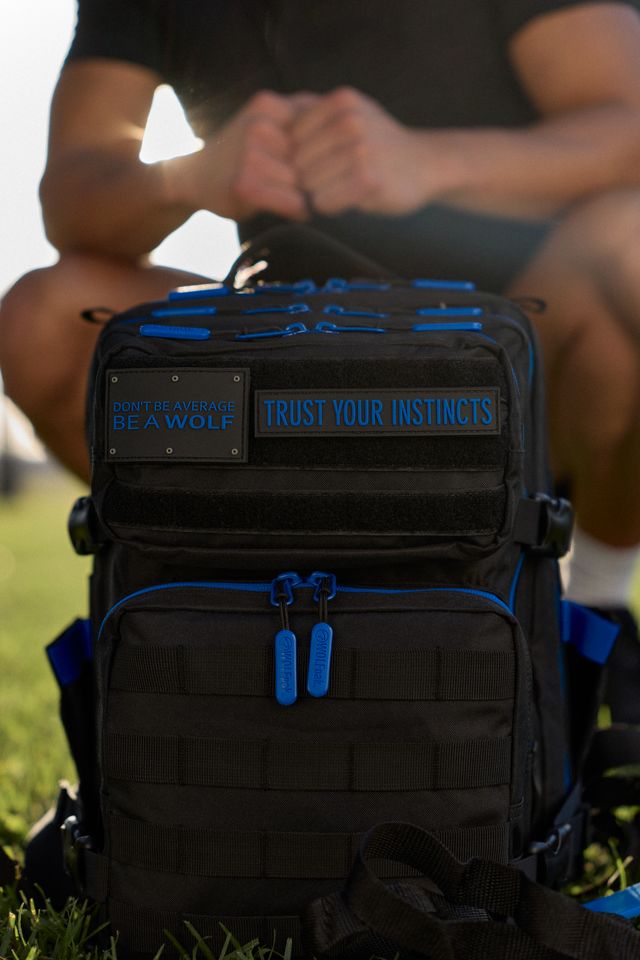
An Overview of Modern Tactical Bag Design
Backpack design has shifted as users demand more from how a bag performs during daily use. Storage alone no longer defines functionality, since movement, access, and load stability all shape the experience once the bag is in motion. What looks similar on the outside can behave very differently when packed, carried, and used across different environments.
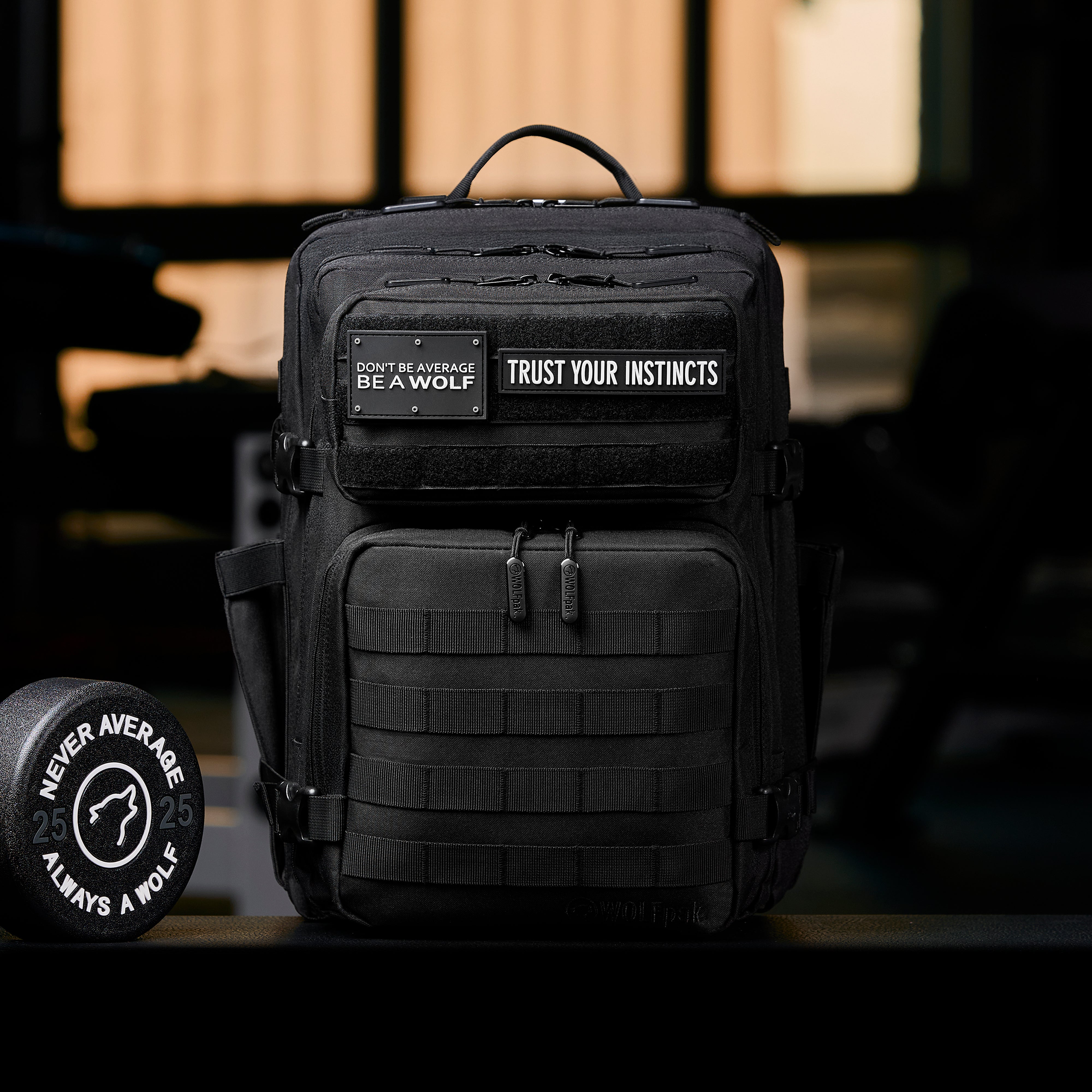
Looking at modern tactical bag design reveals how structure, materials, and layout work together to support consistent performance. Each design decision determines how the bag organizes gear, positions weight on the body, and allows access to items without disrupting the rest of the load. When these elements align, the bag becomes easier to use in ways that feel controlled and predictable.
Structured Layouts Improve Organization
Designers build modern tactical bags with structured internal layouts that guide item placement. Compartments follow a deliberate arrangement, which allows users to separate gear based on function instead of relying on a single open space. This approach reduces clutter and keeps frequently used items within reach.
A defined layout also limits how many items shift during movement. When everything has a place, the interior remains more stable even as the bag moves, which makes it easier to maintain organization throughout the day without constant repacking.
Material Selection Shapes Long-Term Performance
Material choice affects more than durability because it determines how the bag responds under repeated stress. Reinforced fabrics resist wear from friction and weight, while still allowing enough flexibility for the bag to move naturally with the body.
Consistency in material performance matters just as much as strength. When fabrics maintain their structure, the bag behaves consistently with each use, which creates a more predictable carrying experience across different conditions.
Weight Distribution Changes How the Bag Feels
Weight distribution directly affects how comfortable a bag feels during extended use. Uneven weight creates pressure in specific areas, which can affect posture and introduce instability during movement. As load increases or activity becomes more dynamic, that imbalance becomes harder to control and more disruptive.

Modern tactical designs position weight closer to the body, which reduces strain and improves balance. A centered load allows movement to feel more natural, since the bag follows the body instead of shifting away from it. This becomes especially noticeable during longer periods of wear, where uneven distribution can affect posture and reduce stability during movement.
Reinforced Construction Supports Structural Integrity
Construction methods influence how well a bag holds its shape under load. Reinforced stitching and layered materials prevent sagging, which keeps the bag from collapsing inward when packed with heavier items.
Maintaining structure helps stabilize the contents and prevents internal movement that can throw off balance. When the bag holds its form, it becomes easier to manage because the load stays consistent instead of shifting unpredictably.
Accessibility Drives Everyday Functionality
Access determines how efficiently a user can operate a bag during real-world scenarios. Reaching for one item should not require unpacking everything else, especially when movement or timing matters.
Modern tactical bags address this through compartment placement that supports quick retrieval. Items that need frequent access sit in more accessible areas, while less-used gear stays secured without interfering with daily use. Efficient access supports a smoother workflow throughout the day, since users can retrieve and store items without interrupting movement or reorganizing the entire bag.
Adaptability Expands How the Bag Can Be Used
Modern tactical bags support different use cases because they adapt to changing needs. Adjustable components allow users to modify how the bag functions based on what they carry or where they go.
This flexibility allows one bag to support multiple routines, whether that includes daily carry, training sessions, or travel. This flexibility allows the same bag to remain useful as routines change, which reduces the need to replace or rotate between different designs.
Hardware and Components Influence Reliability

Smaller components often determine how reliable a bag feels during use. Zippers, buckles, and connection points handle repeated stress, which means their performance affects the entire system.
Durable hardware maintains function without sticking, loosening, or breaking under load. When each component performs consistently, the bag operates as expected, without introducing weak points that affect usability.
Key Features Found in Modern Tactical Bag Design
Modern tactical bags include design features that support real-world use beyond basic storage. These features reflect how users interact with their gear across different environments, where stability and access shape performance.
- Reinforced stitching that supports heavier or uneven loads
- Water-resistant materials that protect contents in changing conditions
- Compression straps that stabilize gear and reduce internal movement
- Ventilated back panels that improve airflow during extended wear
- Modular attachment points that expand storage when needed
- Lockable or reinforced zippers that improve security during travel
Each of these features contributes to how the bag performs as a system. When combined effectively, they support a more controlled and consistent carry experience without requiring constant adjustment.
Balancing Capacity With Mobility
Capacity influences how much a bag can carry, while mobility determines how easily it integrates into daily use. Larger bags provide more storage, though increased size can affect how freely the user moves, especially in tighter or more active environments.
A well-balanced design supports enough capacity for essential gear without introducing unnecessary bulk. This balance allows the bag to remain functional without becoming restrictive during movement.
Design Continues To Evolve With Use
Modern tactical bag design continues to change based on how people use their gear in everyday situations. Feedback from real-world use influences updates in layout, materials, and construction methods.
These refinements improve how the bag performs without relying on visual changes alone. Design evolves through function, which keeps the bag relevant as user expectations shift.
Build Better Carry Through Smarter Design
Modern tactical bag design continues to evolve through practical use, with structure, durability, and layout shaping how a bag performs beyond basic storage. When these elements align, they create a more stable and efficient carry experience that adapts to different routines without constant adjustment.
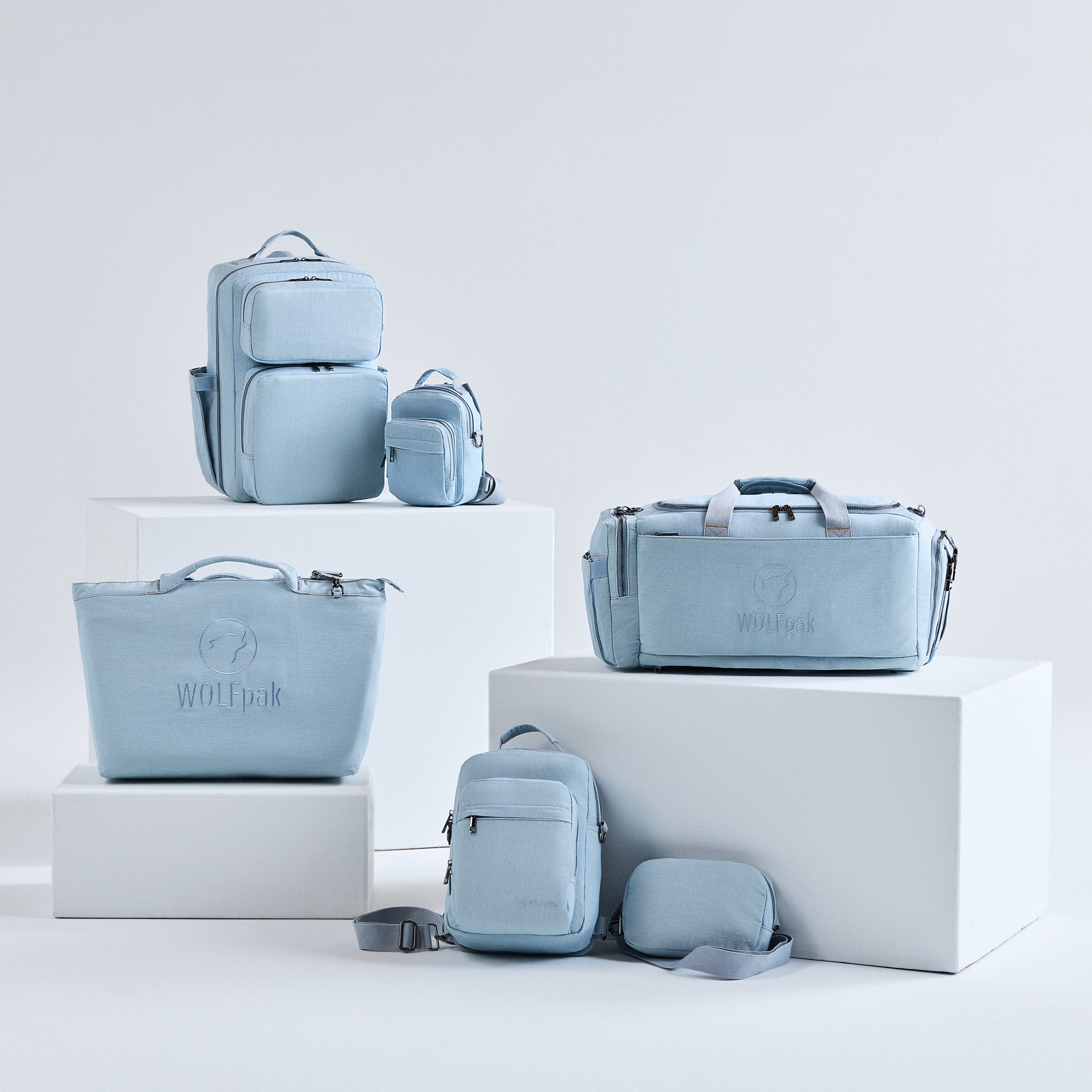
Thoughtful construction improves both organization and movement during everyday use, making the difference more noticeable once the user fully packs the bag and puts it in motion. If you are looking for durable and dependable tactical rucksack options, explore WOLFpak’s collection to find designs built for consistent performance.
Read more

A mini backpack leaves little room for error. Learn how to pack efficiently for a hiking trip while staying prepared for changing conditions.
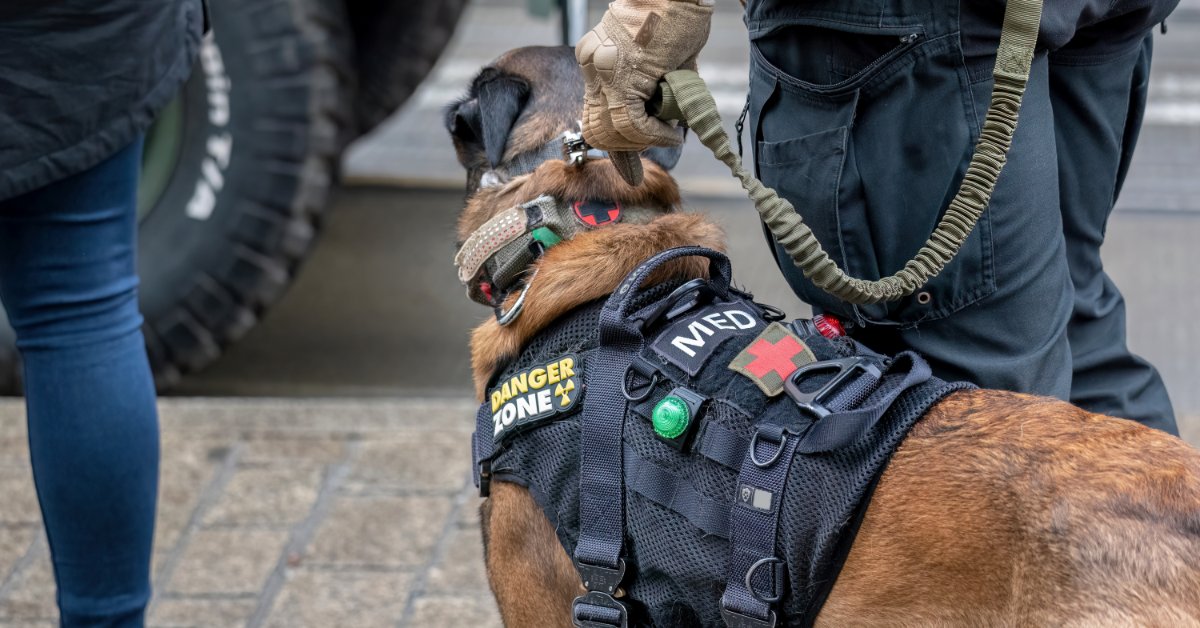
Handling control becomes more consistent when tactical dog collars provide stable feedback that keeps movement aligned and easier to manage.
Leave a comment
This site is protected by hCaptcha and the hCaptcha Privacy Policy and Terms of Service apply.