






How Tactical Dog Collars Improve Handling Control
Control during walks, training sessions, or high-distraction environments depends on more than technique alone when handling a dog. The connection between handler and dog relies on clear communication, and that communication depends heavily on how the equipment responds under pressure. While many collars meet basic needs, they do not always provide the level of consistency required when movement becomes less predictable or when environments introduce new challenges.
How tactical dog collars improve handling control becomes clearer when you look at how structure, fit, and responsiveness influence everyday use. A collar that maintains its position, delivers consistent feedback, and supports natural movement allows the handler to guide behavior with greater accuracy. When these elements work together, control remains stable across different situations, which reduces repeated corrections and creates a more controlled handling experience.
Structured Design Creates More Consistent Feedback
The way a collar distributes pressure determines how clearly a dog can interpret direction. Narrow or flexible designs shift under tension, which changes how the leash applies input during movement. As those shifts occur, the feedback becomes less consistent, making it harder for the dog to recognize patterns, especially when the same action produces slightly different results.
A structured collar maintains a more even surface against the neck, which keeps pressure consistent during movement. That consistency gives the handler the ability to deliver input that feels uniform, even as direction changes or tension increases. With steady feedback, the dog can respond with greater confidence because the signal remains recognizable across different scenarios.
Stability Keeps Contact Points Aligned
Collar movement introduces inconsistency that affects control in subtle ways, because when the collar rotates or shifts, the location of pressure changes and alters how the dog experiences each correction or cue. As that variation builds, hesitation can develop, particularly when the dog cannot predict how the collar will respond.

A stable collar holds its position and keeps contact points aligned with the intended areas of control. Consistent alignment allows the handler to apply direction without compensating for movement within the gear. Each input produces a more reliable response, which makes handling feel more controlled and predictable.
Leash Attachment Position Improves Directional Control
The position of the leash attachment influences how effectively the handler can guide movement. When the connection point sits off-center or shifts during use, the direction of applied force may not align with the dog’s movement, which can delay response.
A well-placed attachment point allows the handler to influence direction at the start of movement. Proper positioning creates a more direct connection between input and response, which supports smoother transitions during walking or training. With the leash aligned to the dog’s movement path, control feels more natural and less reactive.
Control Remains Consistent in Active Environments
Handling a dog in a calm setting differs from managing movement in an environment filled with distractions. Noise, motion, and unfamiliar surroundings can affect focus, which makes consistency more difficult to maintain. In these situations, the equipment must respond reliably to support clear communication.
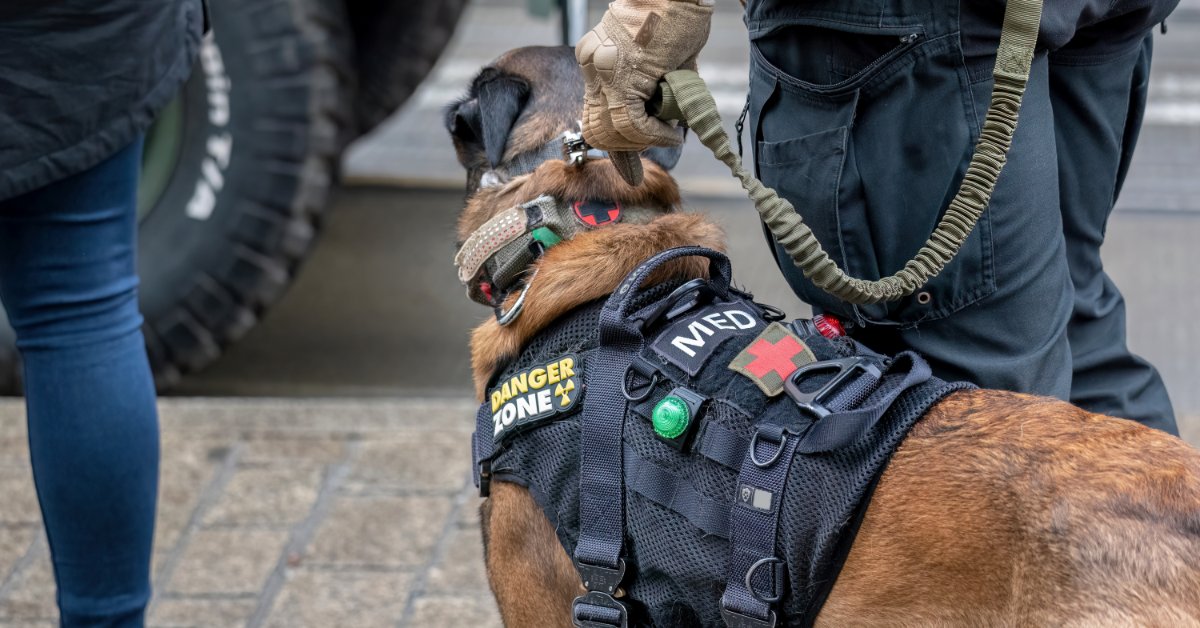
Tactical collars maintain their structure and response under varying conditions, which allows the handler to apply consistent input even when the environment changes. Consistent performance reduces the need for adjustments in technique and allows the handler to maintain control without increasing force.
Clear Feedback Supports Faster Responses
Dogs respond more efficiently when signals remain clear and predictable, since variations in intensity or direction can create hesitation that interrupts movement and reduces control.
A collar that delivers consistent feedback allows the dog to recognize patterns more quickly. Faster recognition leads to more immediate responses and smoother transitions between actions. The handler can guide movement with greater precision because each input becomes easier for the dog to interpret.
Precision Improves Handling Efficiency

Applying more force does not always improve control, especially when the signal itself lacks clarity. Increased tension can create resistance, which leads to repeated corrections that fail to address the underlying issue and can interrupt communication between the handler and the dog.
A structured collar gives the handler more control over adjustments and lets them guide movement with smaller, more precise inputs. With clearer feedback and more controlled pressure, each correction becomes easier for the dog to interpret, which creates a more consistent and balanced handling experience.
Proper Fit Maintains Performance
Collar fit directly affects performance because excess looseness allows shifting that disrupts consistency. A tighter fit can introduce pressure that affects comfort and limits natural movement, which changes how the dog responds to direction.
A properly fitted collar stays in position while maintaining even contact with the neck, allowing it to function without shifting during movement. Consistent alignment supports both control and comfort, while stable contact keeps feedback uniform across different activities, which improves how the dog responds during use.
Durable Materials Support Reliable Use
Handling relies on repetition, which means the collar must perform consistently across frequent use. Materials that stretch or lose structure can change how the collar responds under tension, which introduces variability into the system.
Manufacturers design tactical collars to maintain their shape and performance through regular use, allowing handlers to rely on consistent feedback without adjusting for changes in the gear. Durable materials reduce uncertainty within the system, creating a more stable and predictable handling experience.
Equipment Strengthens Communication During Training
A collar supports communication, but it does not replace the need for training, since the dog’s response depends on learned behavior and reinforcement from the handler. Without that foundation, control remains inconsistent regardless of the equipment used.
When used alongside structured training, a tactical collar reinforces communication by delivering consistent input. Clear signals allow the handler to guide behavior more effectively, which creates a stronger connection between training and real-world handling.
Build More Control Through Consistent Structure
Handling control improves when equipment supports stability, clarity, and predictable feedback. Tactical collars maintain alignment, distribute pressure evenly, and respond consistently during use, which allows the handler to guide movement with greater accuracy while reducing unnecessary corrections. When the gear behaves reliably, communication becomes clearer and adjustments feel more controlled during everyday use.
A closer look at how tactical dog collars can improve handling control shows how much structure influences consistency in real-world situations. If you are looking for durable and dependable tactical dog gear, explore WOLFpak’s collection to find collars designed for reliable performance and controlled handling across different environments.
Read more
Most bags look similar at a glance, but small design differences can change how they perform once you rely on them in real-world conditions.
Many handlers overlook how setup and handling affect performance. Explore the mistakes that may prevent tactical dog gear from working as intended.
Leave a comment
This site is protected by hCaptcha and the hCaptcha Privacy Policy and Terms of Service apply.