



Comparing 35L Backpacks to Smaller Daypacks
Picking backpack sounds simple until daily routines begin placing different demands on storage space. A bag that feels perfect for commuting may struggle to accommodate gym gear, while a backpack that handles weekend travel with ease may feel excessive for lighter carry needs. Capacity influences how a backpack functions throughout the day, which makes size one of the most important factors to consider before making a purchase.
In comparing 35l backpacks to smaller daypacks, the goal is to focus on how each option supports different routines, storage requirements, and carrying preferences. Understanding where these backpacks excel can make it easier to select a size that fits current needs while providing enough flexibility for future demands.
Capacity Differences That Affect Usage
The most obvious difference between these backpack categories comes down to available storage space. Smaller daypacks work well when daily carry requirements remain predictable because they provide enough room for essentials without encouraging unnecessary packing. For anyone carrying a limited number of items, that simplicity can feel practical.
Larger backpacks offer more room to adapt when schedules become less predictable. Leaving room for extra clothing, training gear, work materials, or travel necessities that can fit comfortably. That additional capacity creates opportunities that smaller bags simply cannot provide when demands increase.
How Packing Flexibility Changes Between Sizes
Storage capacity affects the way people pack just as much as it affects how much they can carry. With a smaller daypack, every item competes for limited space, which encourages users to prioritize only what they expect to need. While that approach keeps loads lighter, it leaves little room for unexpected additions.
A larger backpack creates more flexibility because users can adapt to their load throughout the day. Instead of repacking before every activity, they can carry extra items without disrupting the organization system. This advantage becomes particularly noticeable for people whose schedules regularly shift between different environments.
Weight Distribution and Carry Comfort

Many shoppers assume smaller backpacks always feel more comfortable because they encourage lighter loads. In reality, comfort depends on much more than total weight because backpack design and load placement are equally important. A compact bag packed poorly can create pressure points that become noticeable after several hours of use.
Larger backpacks can carry more gear comfortably when the load remains balanced and positioned correctly. Additional structure frequently improves how weight sits against the body, which can create a more stable carrying experience. Rather than focusing only on size, users should consider how much gear they typically carry and how that weight affects daily comfort.
Organization Capabilities by Size
Organization needs tend to grow alongside storage requirements. Smaller daypacks usually feature straightforward layouts because their intended purpose centers on carrying a limited collection of items. For people who prefer simplicity, that approach reduces complexity and keeps gear easy to locate.
Larger backpacks generally provide more opportunities to separate different categories of belongings. Dedicated storage areas make it easier to keep work materials away from training gear or travel necessities. This structure creates a cleaner experience because users spend less time searching through one crowded compartment.
Daily Commuting Considerations
Commuters often prioritize convenience because their backpacks travel through many shared spaces. Smaller daypacks fit naturally into these environments because they remain compact and easy to manage throughout the day. Their lower profile can feel less intrusive in crowded settings.
A larger backpack may serve commuters better when daily responsibilities extend beyond work or school. Someone who heads directly to the gym after work or carries additional equipment throughout the day may appreciate having extra capacity available. Rather than relying on multiple bags, they can consolidate everything into one organized solution.
Gym and Training Applications
Fitness-focused users frequently discover the limitations of smaller daypacks once they begin carrying more than essentials. Shoes, workout clothing, and training accessories can consume available space quickly, especially when those items must share room with work materials or personal belongings. A compact backpack can feel restrictive when routines involve multiple destinations.

This is one situation where larger backpacks create a meaningful advantage. The additional storage space supports training needs without forcing users to leave other essentials behind. For people who move between work, training sessions, and social activities during the same day, that flexibility can simplify the entire routine.
Travel and Weekend Trip Potential
Travel creates demands that reveal the practical limits of backpack capacity. Smaller daypacks perform well as supplemental bags because they keep important items accessible without adding unnecessary bulk. They work particularly well when paired with luggage or used for shorter outings after arriving at a destination.
Larger backpacks can handle a wider range of travel scenarios because they accommodate additional clothing and personal items. While they may not replace dedicated luggage for extended trips, they do provide enough space for overnight stays or short weekend travel. This versatility appeals to people who prefer one backpack that can serve multiple purposes.
Storage Efficiency Versus Portability
Every backpack size involves compromise because gains in one area frequently require tradeoffs elsewhere. Smaller daypacks emphasize portability, which makes them easy to carry, store, and integrate into daily routines. Their compact design encourages users to remain selective about what they bring.
Larger backpacks prioritize adaptability because they provide room for changing needs. Although they occupy more physical space, they reduce the likelihood of running out of storage during busy days. The better option depends largely on whether a user values mobility above all else or prefers additional flexibility.
Which Users Benefit Most From Each Size
Smaller daypacks typically appeal to people whose routines remain relatively consistent from one day to the next. Students attending classes, professionals carrying standard work essentials, and users who prefer minimalist carry often find that a compact backpack provides everything they need. The smaller footprint aligns well with predictable storage demands.
Larger backpacks appeal to users who regularly transition between activities or environments. Someone who carries work materials in the morning, training gear in the afternoon, and extra layers during the evening may benefit from the additional room. In these situations, flexibility becomes more valuable than minimizing size.
Choosing the Backpack That Fits Your Routine
The best backpack size depends on how it supports everyday habits. Capacity matters, but so does flexibility, organization, and the ability to adapt when schedules change. A smaller daypack may feel ideal for someone with predictable needs, while a larger option can provide valuable breathing room for users who carry a wider range of gear.
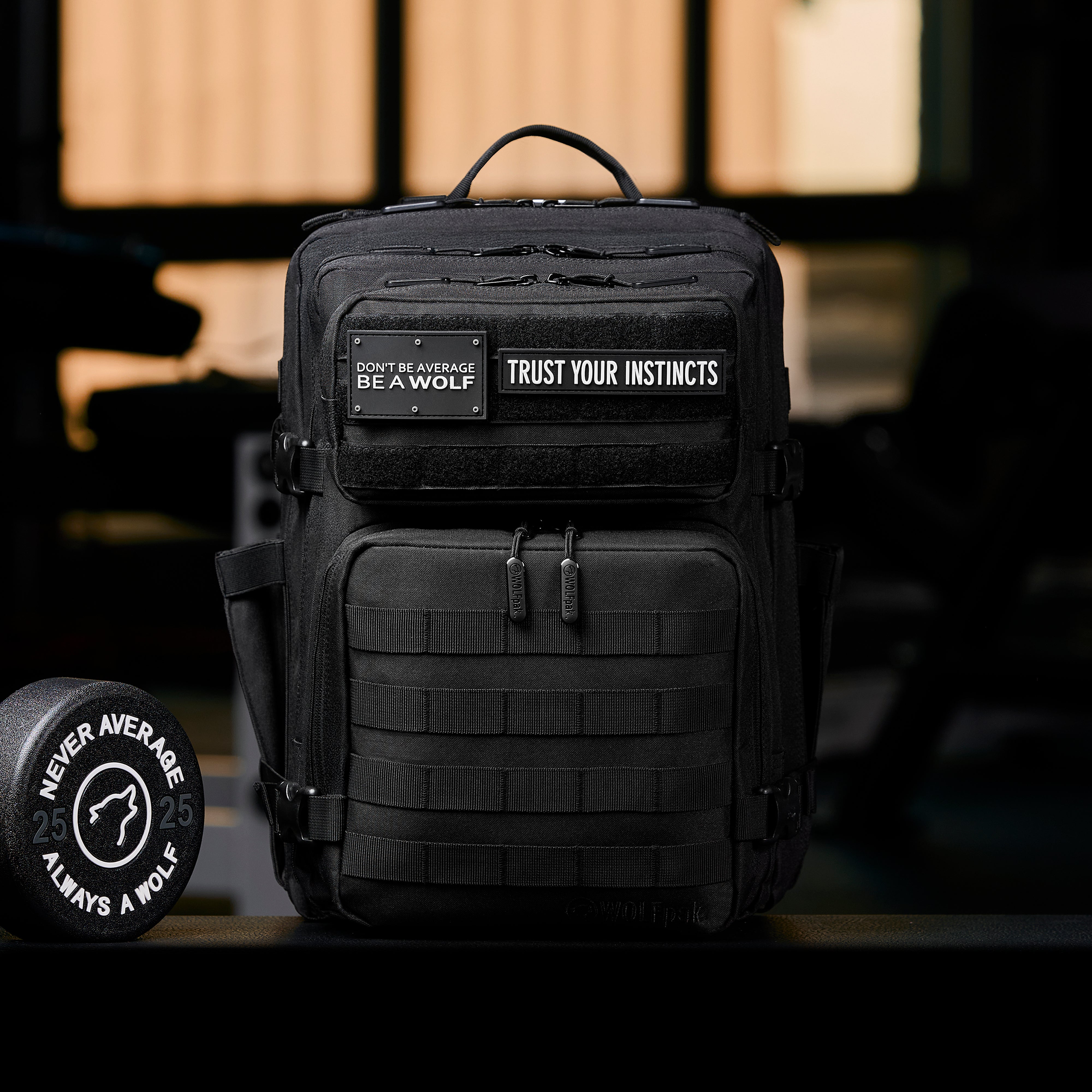
Understanding the differences between 35l backpacks to smaller daypacks makes it easier to evaluate what a backpack must accomplish each day. When storage demands extend beyond essentials but do not require oversized capacity, 35L backpacks offer a practical middle ground. Explore WOLFpak's collection of backpacks in all sizes to find a design that balances everyday usability with the flexibility to support changing routines.
Read more
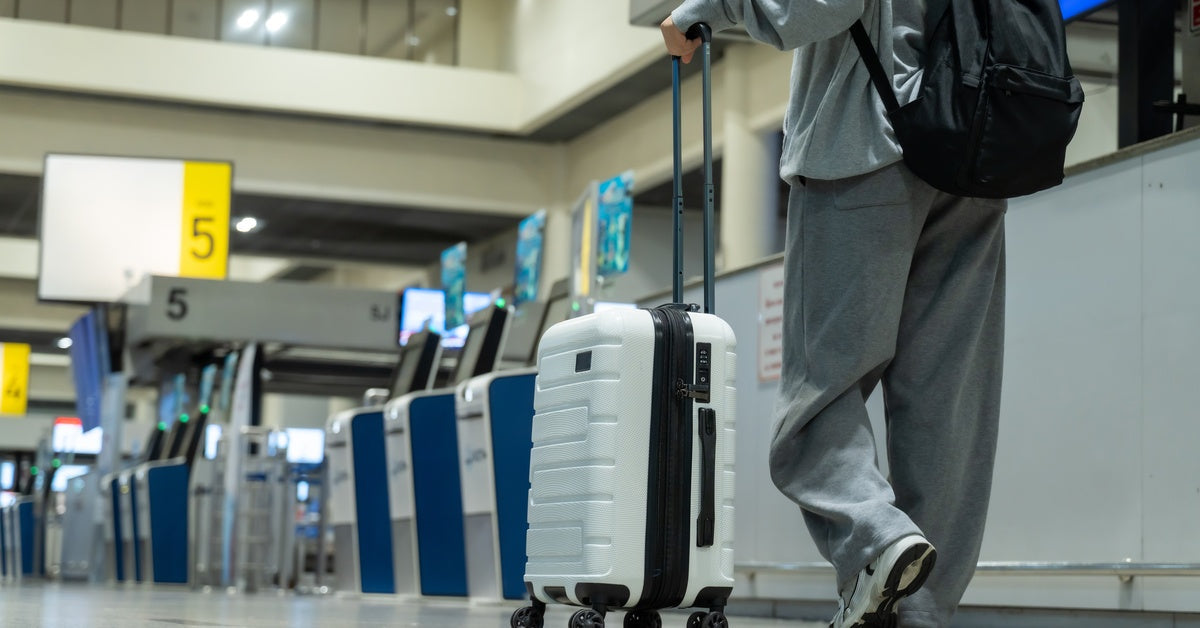
Packing for an extended trip with only a carry-on requires a different approach. Learn how to maximize space without sacrificing flexibility.

A mini backpack leaves little room for error. Learn how to pack efficiently for a hiking trip while staying prepared for changing conditions.
Leave a comment
This site is protected by hCaptcha and the hCaptcha Privacy Policy and Terms of Service apply.