





The History and Evolution of Tactical Backpacks
Tactical backpacks were born from real-world demands where durability, structure, and load management meant the difference between mobility and limitation. Understanding the history and evolution of tactical backpacks reveals how military necessity shaped a product category that now supports athletes, travelers, public safety professionals, and, yes, still the military to this day. What started on the battlefield now shows up in weight rooms, airports, and daily routines across the world.
Early Military Rucksacks: Built for Survival
The earliest tactical-style packs trace back to military rucksacks used in the early 20th century. Soldiers needed a reliable way to carry ammunition, rations, tools, and medical supplies across long distances under unpredictable conditions.
These packs relied on heavy canvas, external frames, and basic compartment layouts. Comfort took a back seat to raw durability, and the primary goal was transporting heavy loads without equipment failure. Even in their simplest form, they laid the groundwork for modern tactical structure.
World War Era Improvements in Load Bearing
As global conflicts intensified, military gear evolved with them. Armed forces began refining backpack construction to reduce strain on soldiers who carried increasingly complex equipment.
Design updates included reinforced stitching, stronger hardware, and improved strap systems that distributed weight more effectively. Waist belts and padded shoulder straps became more common, helping reduce fatigue during extended missions, and the concept of ergonomic load support began to take shape during this period.
The Shift to Synthetic Materials
After World War II, material science changed backpack design dramatically. Nylon replaced canvas as the dominant fabric, offering a lighter weight profile with improved resistance to water and tearing.
The changes allowed tactical packs to become more weather-resistant without sacrificing durability. Reduced weight also improved mobility, which mattered in both combat and field operations. These advancements pushed tactical backpacks closer to the structured designs many people use today.
The Rise of Modular Systems and MOLLE

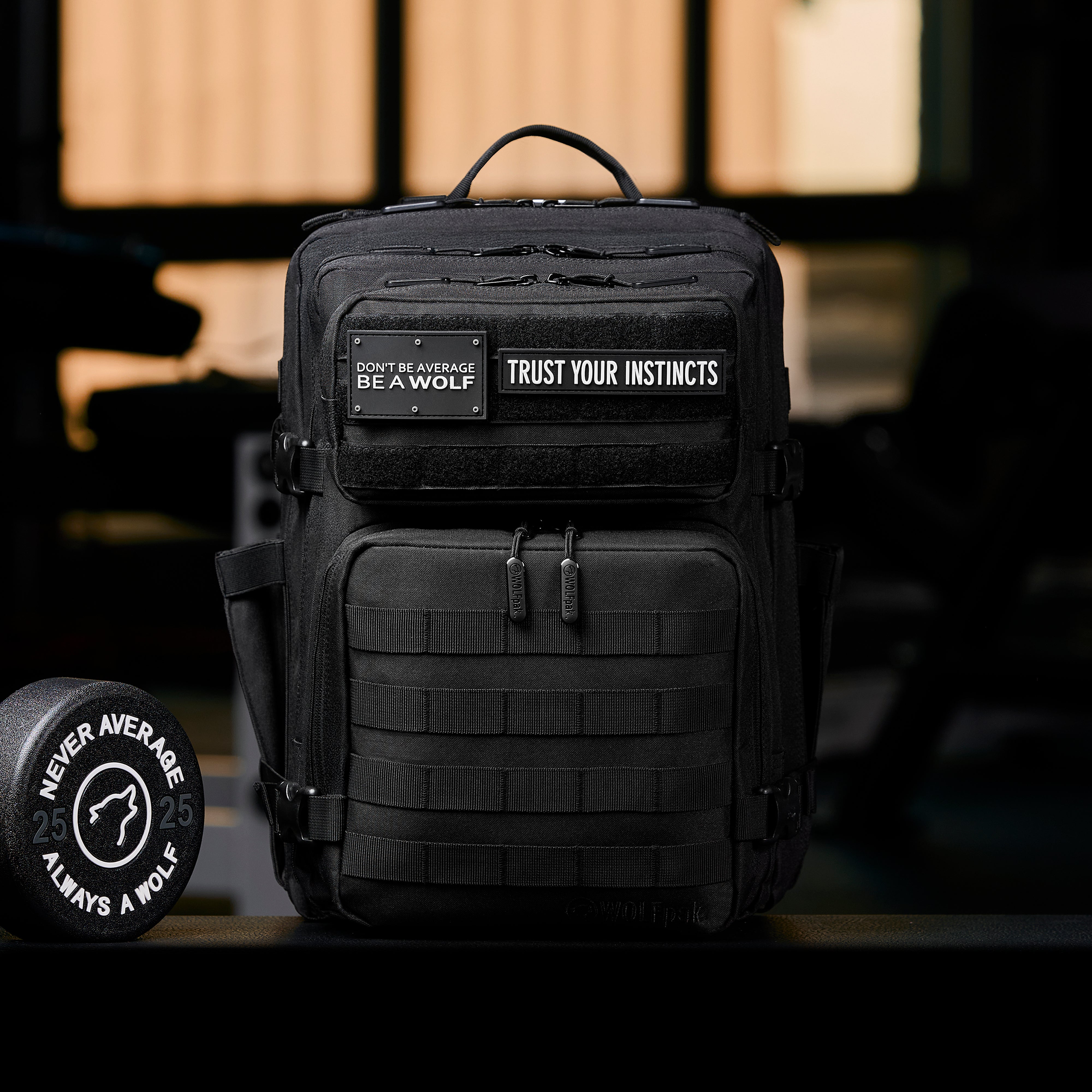
The late 20th century marked a major turning point with the introduction of modular load systems. MOLLE (Modular Lightweight Load-carrying Equipment) gives users the ability to customize their backpack layout based on mission needs.
Instead of relying on fixed compartments, users could attach pouches and accessories externally. Adaptable gear like this transformed organization and transport, offering a functional, expandable system that adjusts to the specific demands of every mission. The webbing grid design that defines tactical aesthetics today grew from this innovation.
The Influence of Global Conflicts on Design Refinement
Modern military engagements in the late 20th and early 21st centuries accelerated innovation in tactical gear. Soldiers required lighter equipment that maintained durability while supporting increasingly specialized technology.
Backpacks also needed to feature hydration bladder compatibility, improved ventilation panels, and streamlined silhouettes. Not to mention accommodating radios, body armor integration, and mission-specific tools without becoming bulky. Combat feedback from soldiers directly influenced how tactical backpacks balanced accessibility with structural support.
The Role of Ergonomics in Modern Tactical Engineering
As gear loads grew more complex, attention shifted toward long-term comfort and spinal alignment. Designers studied how weight distribution affected posture and mobility during extended wear.
Contoured shoulder straps, sternum straps, and padded back panels reduced pressure on certain areas of the back. Plus, ventilated mesh systems improved airflow, especially in high-intensity or hot environments. These refinements made tactical backpacks viable for daily use outside professional settings.
Expansion Into Law Enforcement and Emergency Services
As tactical gear improved, it moved beyond military use. Law enforcement officers, firefighters, and emergency responders began adopting tactical backpacks for organized equipment storage.
Quick-access compartments, reinforced zippers, and structured interiors made it easier to carry medical kits, communication devices, and protective tools. The tactical backpack shifted from battlefield necessity to professional utility as a standard backpack used today.
Civilian Adoption and Outdoor Utility

As time went on, outdoor enthusiasts recognized the benefits of tactical construction and began using these packs for hiking, camping, and travel. Their durability outperformed many traditional outdoor backpacks, particularly in demanding environments, while remaining accessible at a wide range of price points.
Civilians appreciated the reinforced construction that supported heavier loads without compromising structure, along with multiple compartments that simplified organization. The external attachment systems allow for expanded carrying capacity and water-resistant fabrics for added confidence in unpredictable weather. As adoption increased, tactical backpacks evolved into a balance of rugged performance and everyday practicality suited for both outdoor adventures and daily routines.
Tactical Design Meets Fitness Culture
Fitness culture brought a new wave of demand for structured, heavy-duty backpacks. Athletes needed space for shoes, lifting belts, supplements, meal prep containers, and technology, all while maintaining organization.
The tactical framework translated naturally into gym life. Strong stitching handled heavy gear, while compartmentalization simplified daily routines. The aesthetic also resonated with athletes who appreciated gear that reflected discipline and performance.
Modern Features That Redefined Everyday Carry
Today’s tactical backpacks incorporate both legacy durability and modern convenience. Many include waterproof polyester fabrics, laptop sleeves, dual bottle holders, and smart storage layouts to reflect the needs of those who use them.
Designs today balance strength with daily usability, making them suitable for work, training, and travel in a single system. Size variations accommodate different lifestyles, whether someone needs compact organization or a larger capacity for extended days. The result is a pack that moves with demanding routines while maintaining the durability and structure required for heavier loads.
Where Tactical Backpacks Stand Today
Tactical backpacks now sit at the intersection of performance and lifestyle, serving public safety professionals, competitive athletes, students, and frequent travelers who expect more from their gear than basic storage. Durability remains a defining feature, but modern users also prioritize organization, comfort, and versatility.
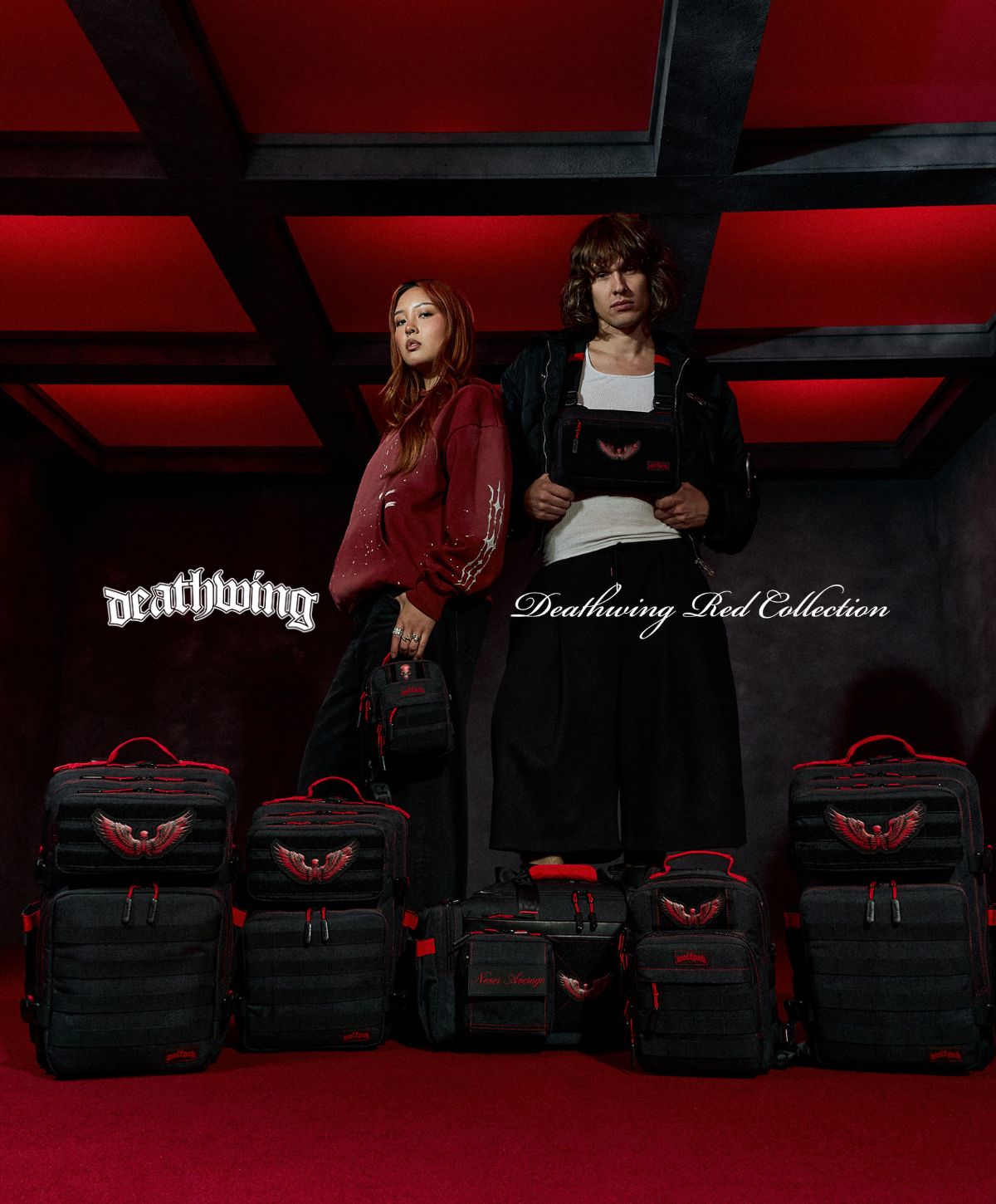
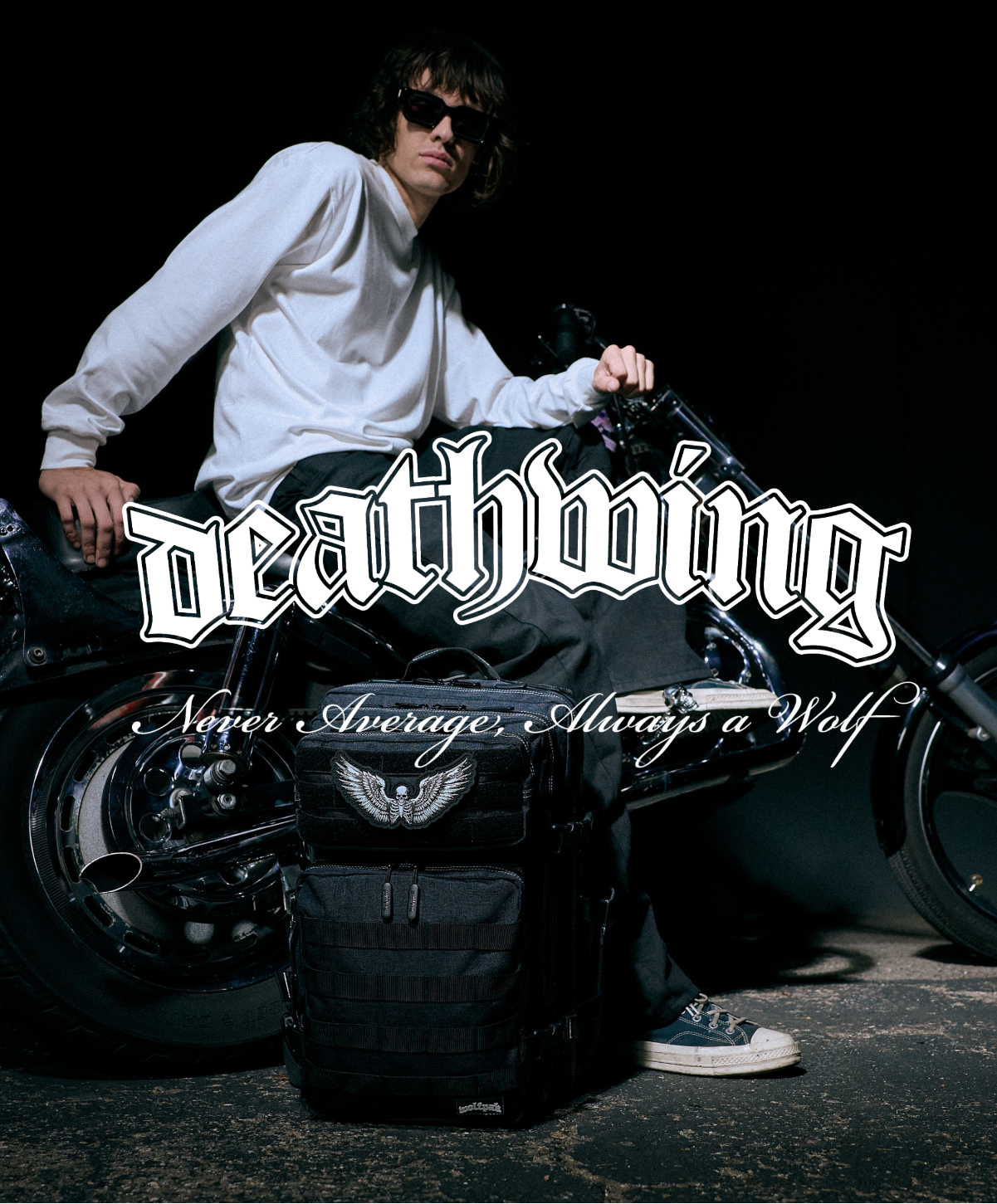
Expanded capacity ranges, structured compartments for tech and daily essentials, and reinforced construction allow these packs to support demanding routines without feeling bulky or impractical. Customization through patches and collaborative designs adds personality to performance-driven builds, reflecting how tactical gear has evolved beyond standardized military equipment. What once served as a singular purpose now represents a refined category defined by strength, structure, and adaptability in everyday life.
Carry the Legacy Forward With Purpose-Built Design
The history and evolution of tactical backpacks show how functional design adapts to meet new demands without abandoning its core principles. What began as military survival gear now supports modern fitness routines, professional responsibilities, and daily life.
WOLFpak builds on that legacy with backpacks engineered for durability, smart organization, and bold tactical style. Whether you need streamlined storage for everyday carry or the expanded capacity of a 45L tactical backpack for heavier training and travel days, each design reflects the resilience that shaped the category’s origins. Shop WOLFpak’s collection today and choose a backpack built to handle your workload, your training, and everything in between.
Read more

Improper weight distribution and poor organization ruin outdoor excursions. Effective packing techniques protect expensive gear and ensure total comfort.

Meal prep routines can break down due to simple packing mistakes. Avoid common errors that affect food safety, organization, and daily convenience.
Leave a comment
This site is protected by hCaptcha and the hCaptcha Privacy Policy and Terms of Service apply.