





Tips for Packing a Carry-On for an Extended Trip
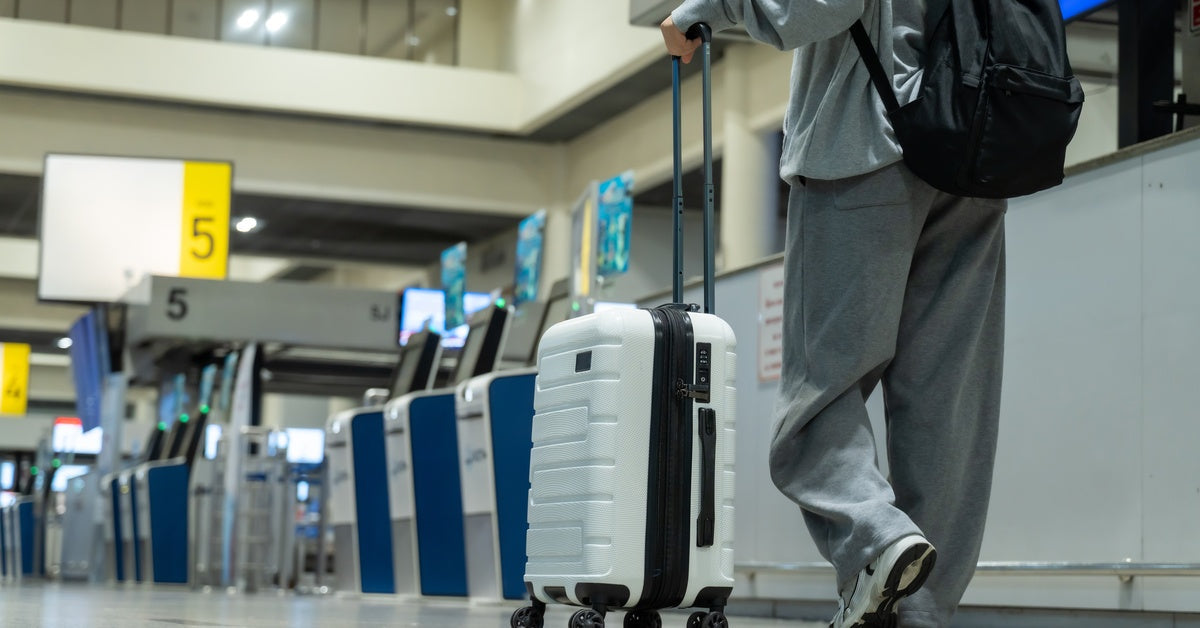
Traveling for several days or even weeks with a single bag may seem challenging at first, yet many travelers discover that packing efficiently can simplify the entire experience. Carry-on travel eliminates the need to wait at baggage claim, reduces the risk of lost luggage, and makes moving between destinations much easier. However, success depends on making thoughtful decisions before the trip begins.
These tips for packing a carry-on for an extended trip will focus on maximizing available space while maintaining flexibility throughout the journey. Extended travel requires a different mindset because every item must justify the room it occupies. By approaching packing strategically, travelers can remain prepared without carrying unnecessary weight or clutter.
Start With a Realistic Packing List
One of the most common mistakes travelers make involves packing before creating a plan. Without a clear list, it becomes easy to add items based on possibility. As a result, bags fill quickly with things that rarely leave the backpack during the trip.
Creating a realistic packing list establishes priorities before packing begins. Instead of guessing what might be useful, travelers can evaluate each item according to how frequently they expect to use it. This approach reduces impulse packing and creates a more efficient foundation for the rest of the process.
Build Outfits Instead of Packing Individual Pieces
Extended travel becomes easier when clothing works together across multiple days. Rather than packing separate outfits for every activity, travelers can focus on versatile pieces that combine easily with one another. This strategy creates more outfit options while using less space inside the bag.
Clothing that serves multiple purposes provides additional value because it reduces redundancy. A lightweight layer, for example, may work equally well during a flight, a casual outing, or an evening activity. The more flexibility each item offers, the fewer total items become necessary.
Use Packing Cubes Strategically

Packing cubes can create structure inside a carry-on when used intentionally. Rather than acting as simple containers, they help divide clothing into categories that make items easier to locate throughout the trip. Organized storage reduces the need to unpack the entire bag when searching for something specific.
For example, it is good to use cubes to support organization in your bag, instead of layering everything. Oversized cubes can consume valuable space, while appropriately sized options maintain order without reducing packing efficiency. A structured interior keeps the backpack easier to manage during frequent transitions.
Prioritize Lightweight Fabrics
Fabric choice affects both space and weight, which makes it an important consideration during extended travel. Heavier materials consume more room and often take longer to dry if laundry becomes necessary. Lightweight fabrics provide greater flexibility because they occupy less space inside the bag.
Many travelers find that modern performance fabrics offer practical advantages during longer trips. Compact clothing that dries quickly allows travelers to wash items during the journey instead of packing extra items. This approach creates more room for essentials while reducing load.
Make the Most of Personal Item Space
Many airlines allow travelers to bring both a carry-on and a smaller personal item. While policies vary, taking advantage of available space can significantly improve packing flexibility without increasing checked luggage requirements. Personal items can carry electronics, travel documents, or in-flight necessities that would otherwise consume valuable carry-on space.
Separating frequently accessed items into a smaller bag creates convenience throughout the travel experience. Instead of opening the primary backpack repeatedly, travelers can keep essential items within easy reach during flights, layovers, and airport transfers.
Plan for Laundry Instead of Packing More Clothes
One of the simplest ways to reduce packing volume involves planning to wash clothing during the trip. Many travelers pack far more clothing than necessary because they assume every item must last for the entire journey. This approach often results in carrying unused weight from one destination to another.

Access to laundry services, whether through accommodations or local facilities, changes the equation considerably. Travelers can extend a smaller clothing rotation for a much longer trip by washing items periodically. This strategy frees valuable space while making the backpack easier to carry.
Keep Important Items Accessible
Accessibility becomes increasingly important during extended travel because travelers interact with certain items repeatedly throughout the journey. Travel documents, chargers, and medications should remain easy to reach without disturbing the rest of the bag's organization.
Creating dedicated storage locations for high-priority items reduces frustration and saves time. Whether navigating airport security or checking into accommodations, quick access to essentials creates a smoother travel experience. A well-organized carry-on should support efficiency.
Leave Room for Changes During the Trip
Many travelers focus entirely on fitting everything into the bag before departure, yet forget that packing needs may change along the way. Souvenirs, weather-related purchases, or unexpected necessities can quickly consume any remaining space if the backpack starts the trip completely full.
Leaving some flexibility inside the bag creates room for adjustments throughout the journey. A slightly less crowded carry-on remains easier to organize and adapt as circumstances change. This approach reduces stress while making the backpack more useful from the first day to the last.
Choose the Right Backpack Size
Packing strategies matter, but backpack selection influences every aspect of the travel experience. A bag that provides sufficient capacity without becoming oversized offers the best balance for extended trips. The right size allows travelers to remain organized while avoiding unnecessary bulk.
For many travelers, a medium bag provides enough room for extended travel without crossing into luggage territory. This balance supports efficient packing while maintaining the mobility advantages that make carry-on travel appealing in the first place.
Travel More Efficiently With Less
Packing successfully for longer trips requires planning, discipline, and a willingness to focus on what truly matters. Travelers who prioritize versatility, maintain organization, and leave room for flexibility discover that they need far less than they originally expected. Carry-on travel becomes easier when every item serves a clear purpose within the packing strategy.
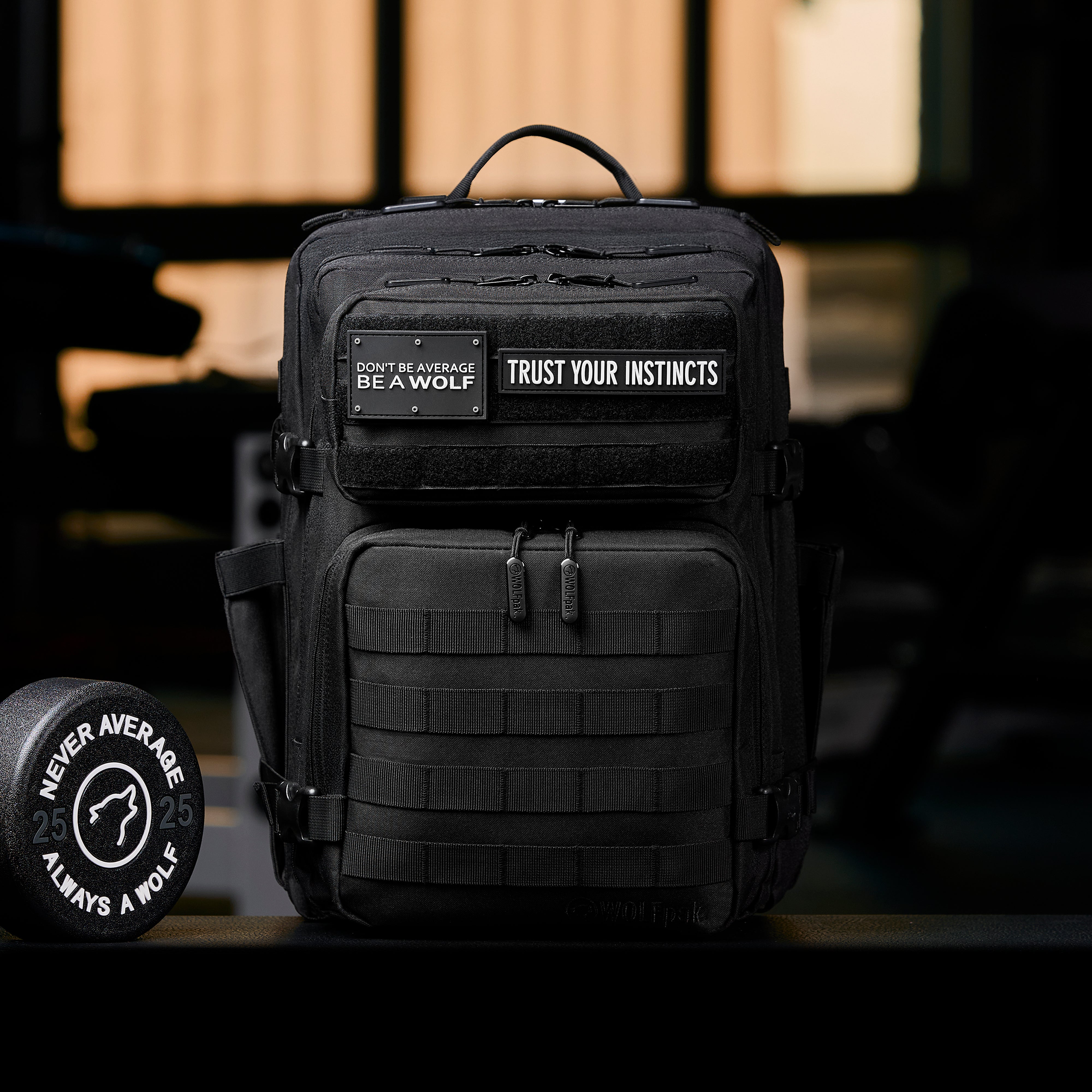
Understanding tips for packing a carry-on for an extended trip can change the way people approach travel, especially when mobility and convenience matter. If you're looking for a durable medium rucksack designed to support organized packing and efficient travel, explore WOLFpak's collection of 45L backpacks to find an option built for extended adventures without unnecessary bulk.
En lire plus
Struggling with an overloaded meal backpack that feels uneven or awkward to carry? Learn what may be throwing off your setup and why balance matters.
Backpack size affects more than storage space. Explore the tradeoffs between daypacks and larger options to find the best fit for your routine.
Laisser un commentaire
Ce site est protégé par hCaptcha, et la Politique de confidentialité et les Conditions de service de hCaptcha s’appliquent.