





How To Balance Weight in a Loaded Meal Prep Backpack
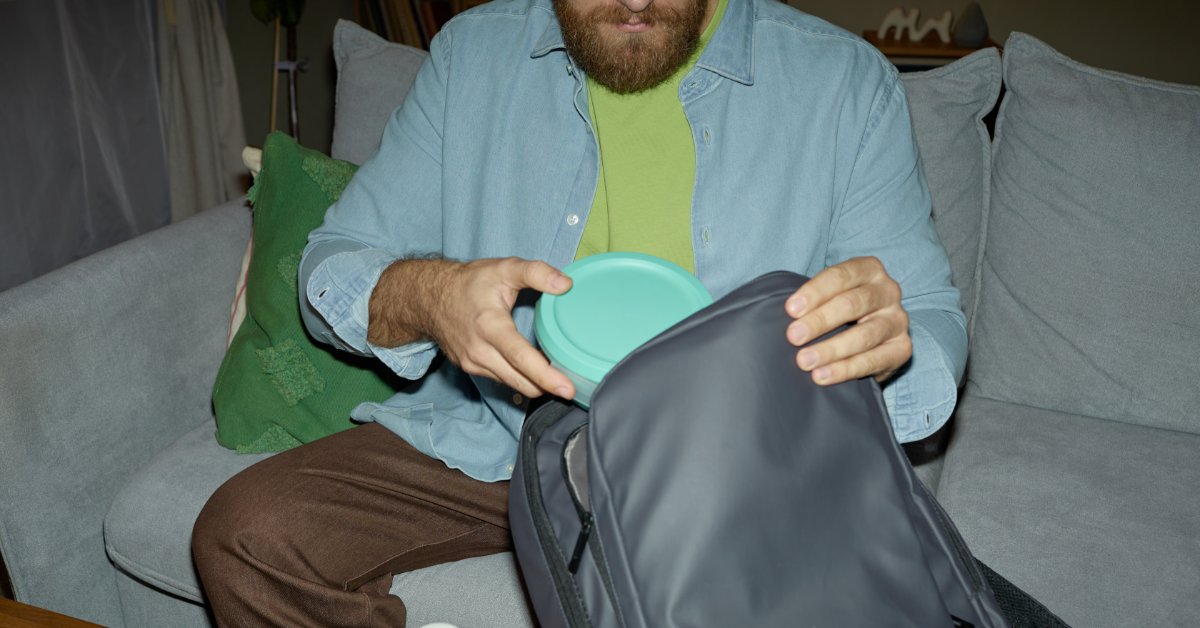
Packing meals for the day involves more than fitting containers into a backpack, especially when the load includes food, drinks, utensils, supplements, and daily necessities. Understanding how to balance weight in a loaded meal prep backpack centers on keeping the load stable and comfortable. Poor distribution creates uneven pressure, which makes the backpack harder to carry and more difficult to organize throughout the day.
A balanced setup improves movement while reducing strain on the shoulders and back during longer periods of use. Instead of allowing heavier items to shift unpredictably, a structured packing system keeps the backpack stable across workouts, commutes, and travel. Once you distribute weight intentionally, the bag becomes easier to manage without sacrificing accessibility.
Why Weight Balance Changes Carry Comfort
Weight distribution affects how a backpack feels during movement, particularly when the load includes dense meal containers and liquids. When heavier items sit too far away from the body or gather unevenly on one side, the backpack pulls against natural posture and creates unnecessary strain across the shoulders. That imbalance becomes more noticeable during longer periods of walking or standing.
Balanced packing keeps the load centered and stable, which allows weight to spread more evenly across the back and straps. Instead of fighting against the bag’s movement, the carrier maintains a more natural posture throughout the day. This adjustment improves comfort while making the backpack feel lighter and more controlled.
Positioning Heavier Containers Correctly
Larger meal containers and heavier items should sit closer to the center of the backpack. Positioning dense items near the back panel keeps the load aligned with the body, which reduces pulling and limits unnecessary shifting during movement. This placement creates a stronger foundation for the rest of the setup.
Center of Gravity in Backpack Packing
Keeping heavier items near the center of gravity improves stability because the backpack moves more naturally with the body. When containers sit too low or too far outward, the load becomes uneven and creates a swinging effect while walking. A centered setup reduces that movement and keeps the backpack easier to control throughout the day.
Separating Liquids From Solid Containers

Liquids create different packing challenges because they shift more easily than solid foods during movement. Placing drinks or liquid-heavy containers in dedicated compartments limits movement and reduces the risk of spills affecting the rest of the bag. Separation keeps the backpack cleaner while maintaining a more predictable load structure.
Solid containers should remain stacked securely in flatter sections of the bag where they can support one another without collapsing. Mixing unstable liquids with stacked food containers often disrupts balance and creates pressure points inside the backpack. A more organized arrangement keeps the load consistent and easier to manage.
Packing Around Temperature-Sensitive Foods
Temperature-sensitive meals require more strategic placement because exposure to outside heat can affect freshness throughout the day. Placing insulated containers closer to the center of the backpack reduces direct exposure to external temperatures while keeping heavier items positioned evenly. Grouping chilled meals together instead of spreading them across separate compartments creates more consistent temperature retention and prevents unnecessary shifting inside the bag.
Preventing Shifting During Movement
Even a well-balanced load can become unstable if items move freely inside the backpack throughout the day. Empty space between containers allows gear to slide during walking, which changes weight distribution and makes the bag feel uneven. Reducing unnecessary movement inside the backpack keeps the load more predictable.
Stabilization Techniques Inside Compartments
Packing softer items around meal containers creates additional support that limits internal shifting. Compression straps and divider sections can further stabilize the load by keeping containers secured in place during movement. These adjustments prevent sudden weight shifts that interrupt comfort and balance.
Using Compartments for Even Distribution
Compartments create natural separation points that support better organization and more consistent weight placement. Instead of stacking all items in one large section, dividing the load across multiple areas keeps the backpack balanced while improving accessibility. This prevents heavier items from overwhelming one side of the bag.

Using compartments intentionally allows smaller accessories, utensils, or supplements to remain separated from larger containers. When every section serves a purpose, the backpack stays easier to navigate without constant unpacking. Organized distribution improves efficiency while reducing clutter inside the bag.
Adjusting Load Based on Daily Use
Meal prep setups change depending on the day’s schedule, which means weight distribution should adjust accordingly. A shorter workday may require fewer meals and less weight, while longer schedules or travel days demand additional storage and more strategic packing.
Adjusting the load based on actual use keeps the backpack from carrying unnecessary weight that adds strain throughout the day. This flexibility allows the setup to remain practical while maintaining comfort across different routines and environments.
Choosing Containers That Support Balance
Container shape and construction influence how efficiently weight fits inside a backpack. Wide, flat containers stack more securely and distribute weight more evenly than taller containers that shift easily during movement. Selecting compact shapes allows the load to stay stable without wasting usable space inside the bag.
Container durability matters as well because weaker lids or flexible materials may collapse under pressure from surrounding items. Consistent shapes create cleaner stacking patterns, which improves organization and keeps the backpack from developing uneven pressure points.
Long-Term Effects of Poor Weight Distribution
Carrying an uneven backpack repeatedly places unnecessary strain on the shoulders, back, and posture. When one side consistently supports more weight, the body compensates through subtle posture changes that become more noticeable during daily use. These imbalances reduce comfort and make the backpack harder to carry efficiently.
Poor distribution can affect the backpack itself as well, since uneven stress places additional tension on straps, seams, and zippers. Maintaining balanced packing habits protects both the carrier and the backpack while supporting more consistent performance across long-term use.
Build a More Stable Daily Setup
Learning how to balance weight in a loaded meal prep backpack creates a more comfortable and organized carrying experience that supports everyday movement. When heavier items stay centered, containers remain secure, and compartments serve defined roles, the backpack becomes easier to manage throughout busy routines.
Well-balanced meal backpacks improve stability without sacrificing storage capacity, which makes them more practical for training, commuting, and long workdays. Explore WOLFpak’s collection of meal prep backpacks to find durable designs built for structured organization, reliable support, and efficient daily carry.
En lire plus

Explore the different types of gym backpacks and discover which style fits your routine, gear, travel needs, and everyday training goals best.
Packing for an extended trip with only a carry-on requires a different approach. Learn how to maximize space without sacrificing flexibility.
Laisser un commentaire
Ce site est protégé par hCaptcha, et la Politique de confidentialité et les Conditions de service de hCaptcha s’appliquent.