






How To Balance Weight in a 45L Tactical Backpack
Packing a 45L tactical backpack can create a problem that smaller loads hide: where the weight sits can matter almost as much as how much you carry. Dense gear positioned away from your body can pull the pack backward, while uneven distribution can create a noticeable lean as you move. Filling open space without considering those forces can leave a capable pack feeling awkward under a realistic load.
Balancing weight in a 45L tactical backpack technique builds a load that works with your movement. The position of heavier gear establishes the foundation, but side-to-side distribution and internal stability determine whether that balance lasts once you start walking. Packing with this in mind can create a steadier load while providing useful access to your gear.
Decide What Deserves Space Before Packing
Before determining where equipment belongs, consider what you genuinely need to carry. A 45L capacity creates room for substantial gear, but available space can encourage additions that provide little value for the planned activity. Every extra item still contributes weight that you eventually have to distribute.
Laying out the complete load before packing makes unnecessary gear easier to identify. Consider whether each item serves a realistic purpose, then remove anything that doesn't justify its weight. Starting with a deliberate selection gives you more flexibility when positioning the essentials.
Keep Dense Gear Close to Your Back
Once you've narrowed the load, give the densest equipment the most deliberate placement. Positioning substantial weight close to the back panel keeps it nearer your body, reducing the leverage that can make a loaded backpack pull backward.
When the equipment and compartment layout allow, keep heavier items around the middle portion of the pack. Concentrating dense gear at the extreme bottom can make the backpack feel cumbersome, while excessive weight near the top may reduce stability. Lighter belongings can occupy areas farther from your back with less influence on the load.
Balance Weight Across Both Sides

Even with heavy gear close to your body, concentrating it on one side can create another problem. A backpack that consistently pulls left or right may force you to compensate while walking, making lateral distribution an important part of packing.
Compare both sides as you add equipment rather than waiting until every compartment is full. Similar weights can occupy opposite sides when practical, while particularly dense items may carry better near the centerline. Perfect symmetry isn't necessary, but avoiding a pronounced imbalance can make a large tactical backpack feel more stable under load.
Stabilize Heavy Gear With Lighter Items
After positioning the heaviest equipment, look for spaces that could allow those items to move. Large gaps can let dense gear slide or rotate while you walk, changing the weight distribution you established during packing.
Flexible, lightweight belongings can help limit that movement without introducing another concentrated source of weight. Use compressible gear to fill meaningful gaps around harder equipment while preserving enough space to access and repack the bag. The goal is stability, not filling every available inch.
Manage Weight Attached Outside the Pack
External attachment points add carrying flexibility, but they can also change how the load behaves. Dense equipment positioned far from the back panel creates additional leverage, while gear attached to one side can disrupt an otherwise balanced interior.
Before attaching something externally, decide whether its size or accessibility genuinely justifies that position. When heavier equipment must remain outside, keep it as close to the pack as the attachment system allows and avoid concentrating substantial weight on one side. Exterior storage should complement the internal load.
Account for Water as Its Weight Changes
Unlike most equipment, water changes the load as you consume it. A substantial supply may feel balanced at departure but alter the distribution later as containers empty at different rates.
When carrying multiple bottles, avoid concentrating all their starting weight on one side when other practical placements exist. Larger water supplies stored internally generally benefit from sitting relatively close to your body. As the supply decreases, reposition remaining containers if their location begins creating a noticeable imbalance.
Balance Accessibility Against Weight Placement

Convenient storage can become counterproductive when accessibility determines where every item goes. A pocket may make dense equipment easy to reach, but that benefit loses value if the location causes the backpack to pull away from your body.
Consider both frequency of use and weight before assigning an item to quick-access storage. Lightweight essentials can usually occupy exterior or upper compartments with less effect on balance, while denser equipment may deserve a more stable position. This distinction preserves accessibility without allowing convenience to dictate the structure of the load.
Test the Backpack Under a Realistic Load
A backpack can appear balanced on the floor and feel completely different once you wear it. Load the equipment you intend to carry, adjust the straps, and walk long enough to notice backward pulling, lateral leaning, or excessive movement.
Rather than immediately repacking everything, use the direction of the pull to identify the likely problem. Dense gear may need to move closer to your back, or an uneven side may need redistribution. Make one meaningful adjustment before testing the pack again so you can determine whether the change improved the load.
Rebalance When the Contents Change
When a full day involves drinking water, eating food, adding or removing clothing, and using equipment that later returns to the pack, the carefully arranged load you started with can gradually change. Newly opened spaces may allow heavier items to shift, while the remaining contents can settle into positions that alter the original weight distribution.
Because these changes can affect how the backpack sits against your body, reassess the load whenever its contents change substantially. Moving dense equipment back toward the center and using available space to limit shifting can restore a more stable arrangement, helping the backpack carry consistently as the load evolves throughout the day.
Build Balance Into the Entire Load
Applying how to balance weight in a 45L tactical backpack effectively means considering how every part of the load works together. Keeping dense equipment close to your body provides a strong foundation, but lateral distribution, internal movement, exterior gear, and changing contents can alter that balance once you begin moving.
Before heading out, test the backpack at the weight you realistically expect to carry and identify the source of any pulling or shifting. Correct the underlying imbalance, then reassess the load whenever its contents change substantially. For activities that require greater carrying capacity, explore WOLFpak's 45L backpack collection to compare options and build a packing setup around the equipment you need.
Leer más
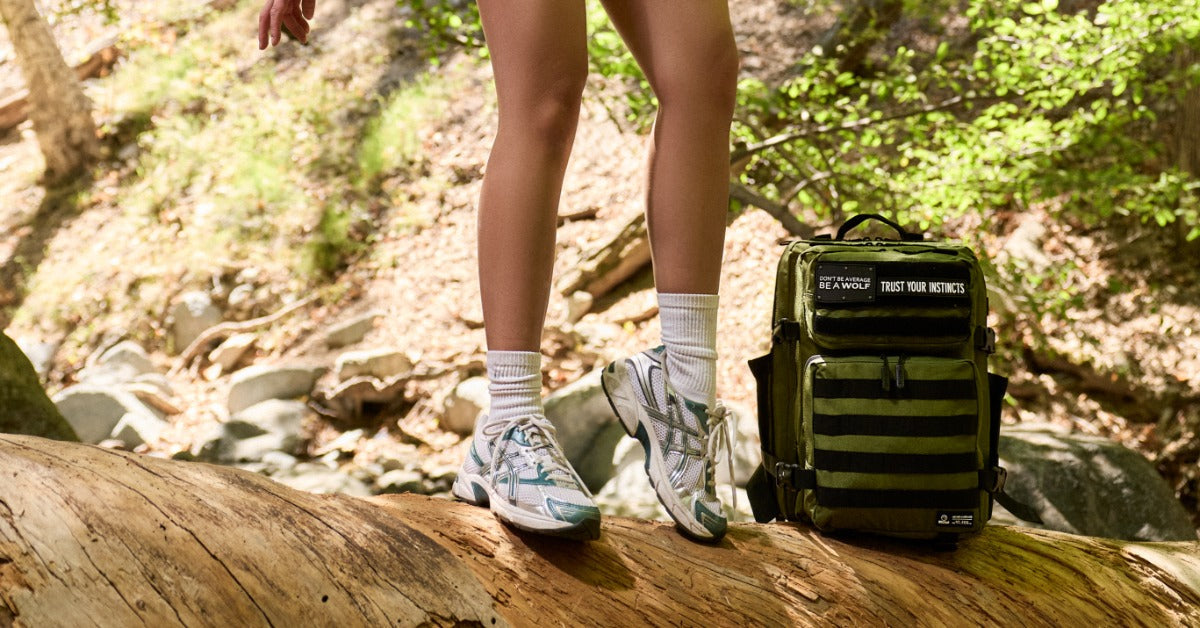
Get practical advice for packing a climbing day trip backpack so your gear stays organized, accessible, and manageable from trailhead to route.
A mini backpack can simplify daily carry when your essentials don't require extra space. Find out when compact capacity fits your routine best.
Dejar un comentario
Este sitio está protegido por hCaptcha y se aplican la Política de privacidad de hCaptcha y los Términos del servicio.