







Advice for Packing a Backpack for a Climbing Day Trip
Packing for a climbing day trip creates a balancing act between preparedness and portability. The approach may involve steep trails or uneven terrain before the climbing even begins, yet the pack still needs room for technical equipment and the essentials required away from the route. Carry too much and the approach becomes harder than necessary or organize the load poorly and finding what you need can become frustrating once you arrive.
Useful advice for packing a backpack for a climbing day trip therefore starts before anything goes into the bag. The route, approach, weather, and length of the outing should shape what you bring and where you place it. Thinking through the day in sequence creates a more deliberate packing system, with each item earning its space according to when you’ll need it and how it affects the load.
Let the Climbing Plan Determine What You Pack
Before reaching for gear, define what the day actually demands. A short approach to a familiar climbing area creates different packing needs than a longer hike to a remote destination, while weather and the planned route can further change what belongs in the bag. Starting with those conditions gives you a practical baseline for deciding what deserves space.
Once you know what the outing requires, scrutinize optional equipment before adding it. Packing for unlikely scenarios can increase weight without adding much value to the planned day, particularly when several “just in case” items accumulate. Prioritizing equipment around the actual climbing objective keeps the load purposeful while preserving room for necessities beyond technical gear.
Position Heavier Gear Where It Won’t Fight Your Movement
Climbing equipment can concentrate considerable weight into a relatively small amount of space, making placement just as important as selection. Keeping dense gear near your back and around the middle of the pack brings that weight closer to your center of gravity, which can help the load feel more stable as the terrain changes.

After positioning the heavier equipment, use softer belongings to occupy irregular gaps and limit movement within the main compartment. Gear that shifts with every step can change how the pack carries, particularly when you navigate rocks or steeper portions of an approach. A compact, stable load gives you a more predictable pack without requiring extra organizational accessories.
Arrange Climbing Gear Around When You’ll Need It
Packing everything according to size may maximize space, but it can create unnecessary work at the climbing area. A more useful system considers the order in which equipment will come out of the bag, allowing gear needed first to remain accessible while later-use items occupy deeper storage.
That sequence can also simplify the transition from hiking to climbing. When related equipment stays together, you can organize at the route without unloading unrelated belongings just to reach one necessary item. Purposeful grouping also gives smaller pieces a predictable location, reducing the chance that they become buried among clothing or personal gear.
Reserve Easy-Access Storage for Approach Essentials
During the approach, a few belongings may need to come out long before you finish climbing. Giving those frequently used item's accessible locations prevents repeated stops to open the main compartment and search through gear that can remain packed until you arrive.
Filling every available compartment with miscellaneous belongings may technically create more storage, but it can make retrieval less intuitive when you can’t remember where something went. Consistent locations for the items you expect to use on the trail make the packing system easier to navigate throughout the outing.
Treat Water as Part of the Load, Not an Afterthought
Because water adds substantial weight, deciding how much to carry should happen alongside the rest of the packing plan. Route length, approach difficulty, temperature, and expected time away from a reliable refill point can all affect your needs, so consider the entire outing.
Placement then becomes part of keeping the load manageable, with exterior bottle pockets freeing interior capacity and providing convenient access when they hold your containers securely. If you carry water inside the main compartment, keep the weight balanced and separate the container from belongings that could suffer damage if a leak occurs.
Make Extra Layers Work With the Packing System

Clothing doesn’t have to occupy one rigid block of space inside a climbing pack. Compressible layers can fit around harder equipment and fill awkward gaps, which helps keep the load compact while making better use of the available interior capacity.
Where those layers sit should reflect when you expect to wear them. A jacket that may come out during a temperature change needs greater accessibility than clothing reserved for later in the day. Planning placement around likely use prevents a weather adjustment from turning into a complete unpacking session beside the trail.
Preserve Some Capacity for the Return Trip
Packing a backpack to its absolute limit can create problems even when everything fits neatly at home. During the day, changing weather may prompt you to remove a layer, and equipment rarely returns to the same shape or arrangement after use. Some available capacity gives the packing system room to adapt without forcing loose belongings onto the exterior.
Medium backpacks can provide enough room for a day-trip load while encouraging a more deliberate approach than an oversized pack with substantial unused capacity. The right volume should accommodate the planned equipment plus reasonable flexibility.
Test the Loaded Backpack Before the Approach
The floor can’t tell you whether a packed bag will feel balanced after twenty minutes of walking. Once you’ve finished packing, put the backpack on and move around with the actual load, paying attention to any backward pull or noticeable shifting as you turn and walk.
Use the same test to check accessibility before leaving the trailhead, as items intended for the approach should remain reachable without disturbing technical gear, while equipment reserved for the climbing area can stay deeper in the pack. Repositioning something takes little effort before departure and considerably more once you’re standing on uneven ground with the contents partially unpacked.
Build the Pack Around the Whole Day
The most useful advice for packing a backpack for a climbing day trip accounts for what happens before and after the climbing itself. A deliberate setup considers how weight affects the approach, when individual items need to come out, and whether enough space remains to handle changes during the outing. Those decisions turn capacity into a functional packing system.
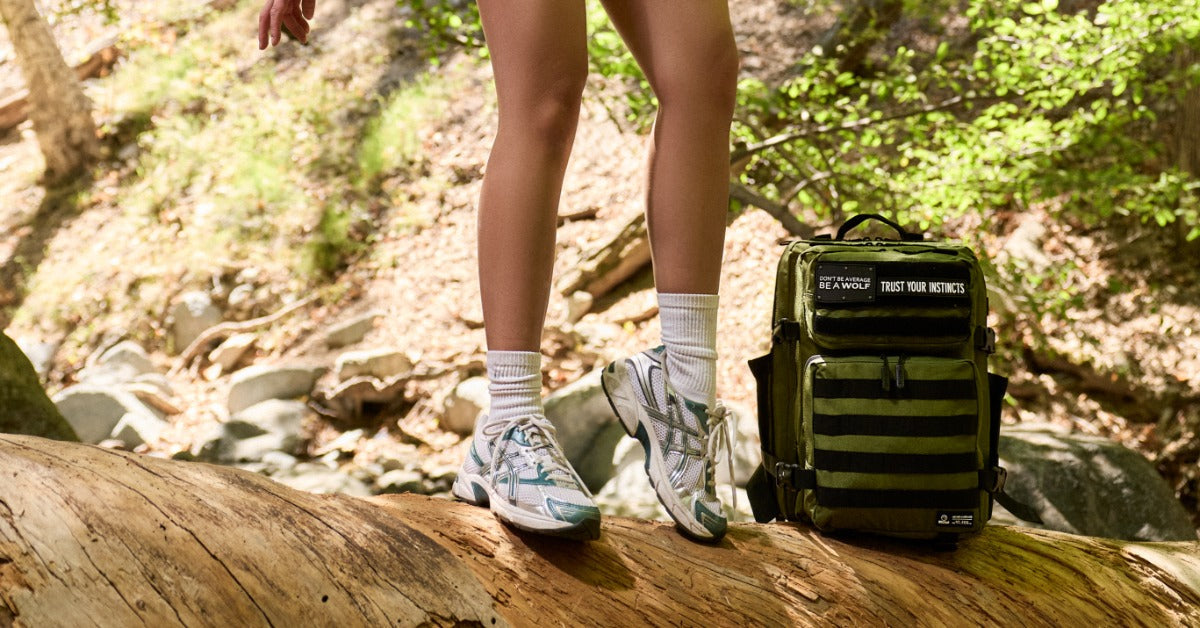
Before leaving, walk through the day in your head from the trailhead to the route and back again, then give each item a place that reflects that sequence. You’ll have an easier time identifying unnecessary gear while keeping essential equipment accessible when the moment calls for it. For a pack that can support that kind of organized day-trip setup, browse WOLFpak’s 35L collection and compare options suited to the way you carry climbing gear.
Leer más
See what separates a practical 25L backpack from one that falls short, including the features worth considering before choosing your next daily carry pack.
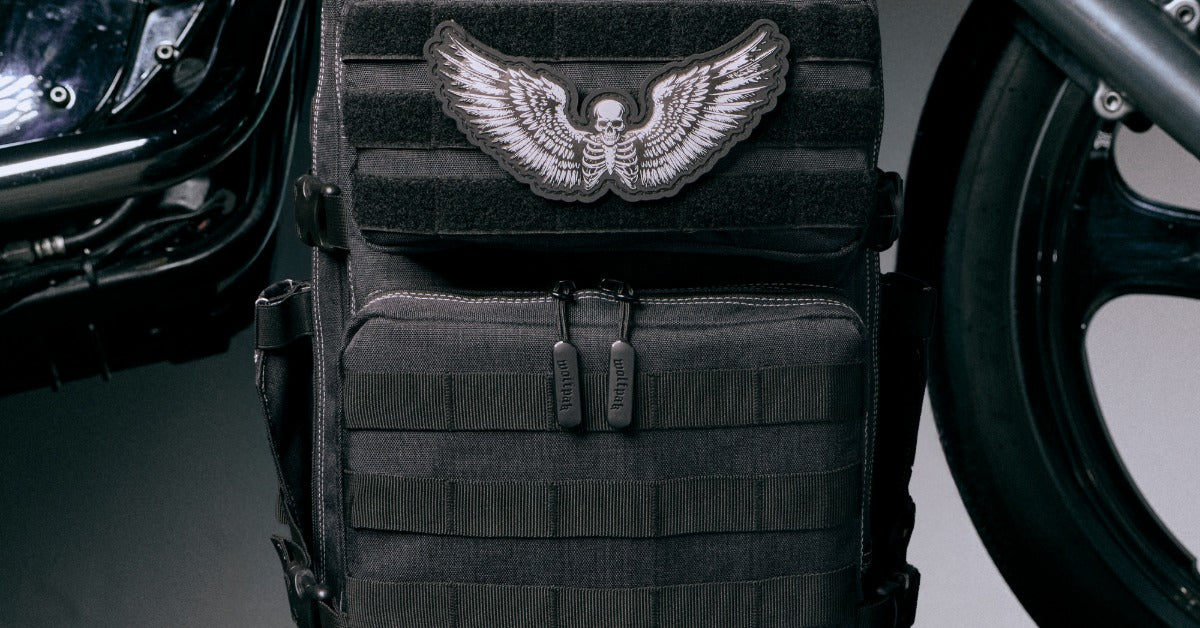
Smart weight distribution can make a loaded 45L tactical backpack feel steadier and more manageable, starting with where you position your gear.
Dejar un comentario
Este sitio está protegido por hCaptcha y se aplican la Política de privacidad de hCaptcha y los Términos del servicio.