






Tips for Cleaning Food Spills in a Meal Prep Backpack
A leaking food container can leave a bigger mess than expected, especially when sauces or liquids reach the corners of your backpack. Even a small spill can create extra cleanup when food collects around seams or settles against the compartment lining. Addressing the mess promptly helps prevent residue from spreading to other belongings.
Following the right tips for cleaning food spills in a meal prep backpack can make the cleanup process more manageable without exposing the materials to unnecessary wear. Different spills call for different approaches, and the backpack care instructions should guide which cleaning products you use. From containing a fresh leak to addressing stubborn residue, a careful routine helps you maintain a cleaner space for carrying prepared meals.
Address Food Spills Before They Spread
When a food container leaks inside your backpack, removing the affected items promptly gives you a better chance of containing the mess. Take out the remaining containers and loose accessories so you can identify where the food traveled. If the bag includes removable organizers, separate them for cleaning according to their individual care instructions.
For liquid spills, gently blot the affected area with a clean, absorbent cloth to collect as much moisture as possible. Rubbing the surface aggressively can spread the liquid across the lining or work it deeper into textured materials. Once you've absorbed the excess, inspect the surrounding compartment for any additional spots that need attention.
Check the Backpack's Care Instructions First
Before choosing a cleaning solution, review the manufacturer's recommendations for your specific backpack. Interior linings and exterior fabrics may have different care requirements, while certain cleaning products can affect coatings or other components. Knowing which methods the manufacturer permits helps you approach the spill without introducing unnecessary risks.
Test the recommended solution on a small, inconspicuous area before treating a larger surface. Avoid machine washing or soaking the entire bag unless the manufacturer specifically approves those methods. Taking a few moments to confirm the appropriate cleaning approach can prevent damage that becomes more difficult to address than the original spill.
Remove Food Residue Without Spreading the Mess

After containing the spill, focus on removing the food particles and sticky residue left behind. Crumbs and small pieces of food can settle against the lining, while thicker sauces may cling to the surface even after you've absorbed the excess liquid. Begin with a soft, dry cloth or brush to lift loose debris before introducing moisture.
For residue that remains attached to the lining, gently wipe the affected surface using a cloth and a manufacturer-approved cleaning solution. Work across the affected area with controlled movements, so you don't spread the mess into clean sections of the compartment. If the residue persists, repeat the approved cleaning method gently.
Give Greasy Spills Extra Attention
Oil-based dressings and sauces can leave a noticeable film even after you've removed the visible food. Because grease clings to surfaces, a quick wipe may leave the compartment feeling slippery or sticky. The remaining film can also collect additional debris when you begin using the backpack again.
Start by absorbing any excess oil with a clean cloth, then use a suitable cleaning solution if the manufacturer's instructions permit it. Work gently across the affected area without saturating the lining, paying attention to where the grease has spread. Once you've finished, remove any remaining cleaning solution according to the care directions and check whether the surface still feels oily.
Clean Seams and Corners Carefully
Food spills don't always remain on the broad, accessible surfaces of a backpack's interior. Liquid can reach the edges of a compartment, while crumbs and thicker food particles may collect along stitched seams. These narrow spaces require closer attention because an ordinary wiping motion may pass over the residue without reaching it.
Using a soft brush or a clean cloth wrapped around your fingertip can help you reach accessible creases without pulling at the stitching. Apply gentle pressure and work along the seam. Once you've finished, inspect the corners under good lighting to identify any particles or residue that still need attention.
Let the Backpack Dry Before Packing It Again

After cleaning the affected compartment, allow any remaining moisture to evaporate before closing the backpack. Even when the main lining feels dry, moisture may remain near seams or inside enclosed pockets where air circulates less freely. Closing the compartment too soon can leave damp areas that contribute to unpleasant odors.
Place the backpack in a well-ventilated location and follow the manufacturer's drying recommendations. Keep the affected compartment open where possible, and avoid using a hair dryer or another direct heat source unless the care instructions permit it. Before returning food containers to the bag, check the lining and corners to confirm that the cleaned surfaces have dried completely.
Address Lingering Food Odors at Their Source
If an unpleasant smell remains after cleaning, inspect the compartment for food residue you may have missed. Small traces of sauces or other ingredients can remain around seams or beneath accessible folds, even when the surrounding lining appears clean. Identifying the source gives you a more useful starting point than covering the odor with fragrance.
When you locate remaining residue, repeat the appropriate cleaning method and allow the affected area to dry thoroughly. Avoid applying deodorizing sprays or stronger chemical treatments without confirming that they suit the backpack's materials. If the smell persists after another careful inspection, consult the manufacturer's guidance before attempting additional treatments.
Reduce Future Spills With a Better Packing Routine
After cleaning your backpack, consider how the original leak occurred so you can reduce the likelihood of another mess. Containers with loose lids or damaged seals may release food when the bag shifts during travel. Checking each closure before departure can help you catch a potential problem before it reaches the compartment lining.
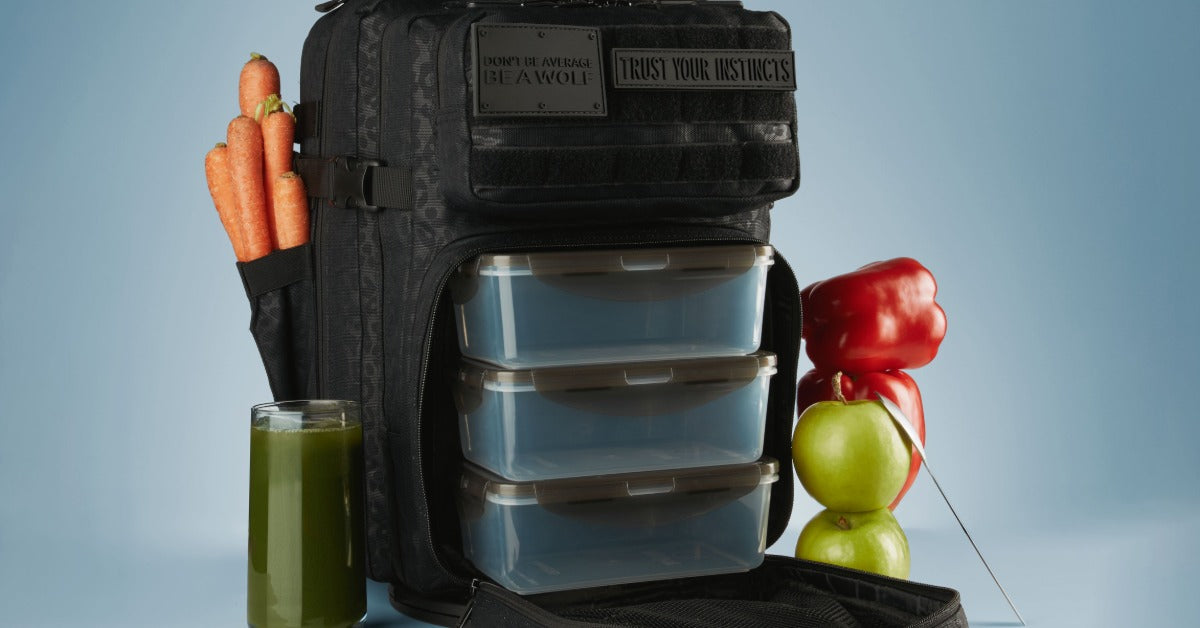
For meals containing liquids or sauces, choose containers with secure closures and arrange them so they can remain upright during transport. Avoid overcrowding the compartment if doing so places pressure on lids or makes containers difficult to remove. When using a meal prep bag for several meals, a stable arrangement can also make it easier to identify a leaking container without disturbing everything else inside.
Keep Your Meal Prep Backpack Ready for the Next Day
Keeping your meal prep backpack clean becomes easier when you address spills before residue spreads throughout the compartment. Following these tips for cleaning food spills in a meal prep backpack helps you handle different messes without relying on harsh cleaning methods.
A consistent cleaning routine can make unexpected spills less difficult to manage while helping you maintain a cleaner space for prepared food. Browse WOLFpak's meal management backpack collection to compare carrying options that fit your daily meal preparation needs.
Leave a comment
This site is protected by hCaptcha and the hCaptcha Privacy Policy and Terms of Service apply.