








Dos and Don'ts To Help You Start Backpacking
You’ve seen the epic photos and heard the stories of adventures off the beaten path up mountains and along trails. Now, you’re ready to trade the gym for the great outdoors and tackle your first backpacking trip. But transitioning from structured workouts to the wild requires a different kind of preparation. We’ve put together a list of several dos and don'ts to help you start backpacking and execute your first overnight trek with the confidence of a seasoned pro.
Do: Invest in Quality Core Gear
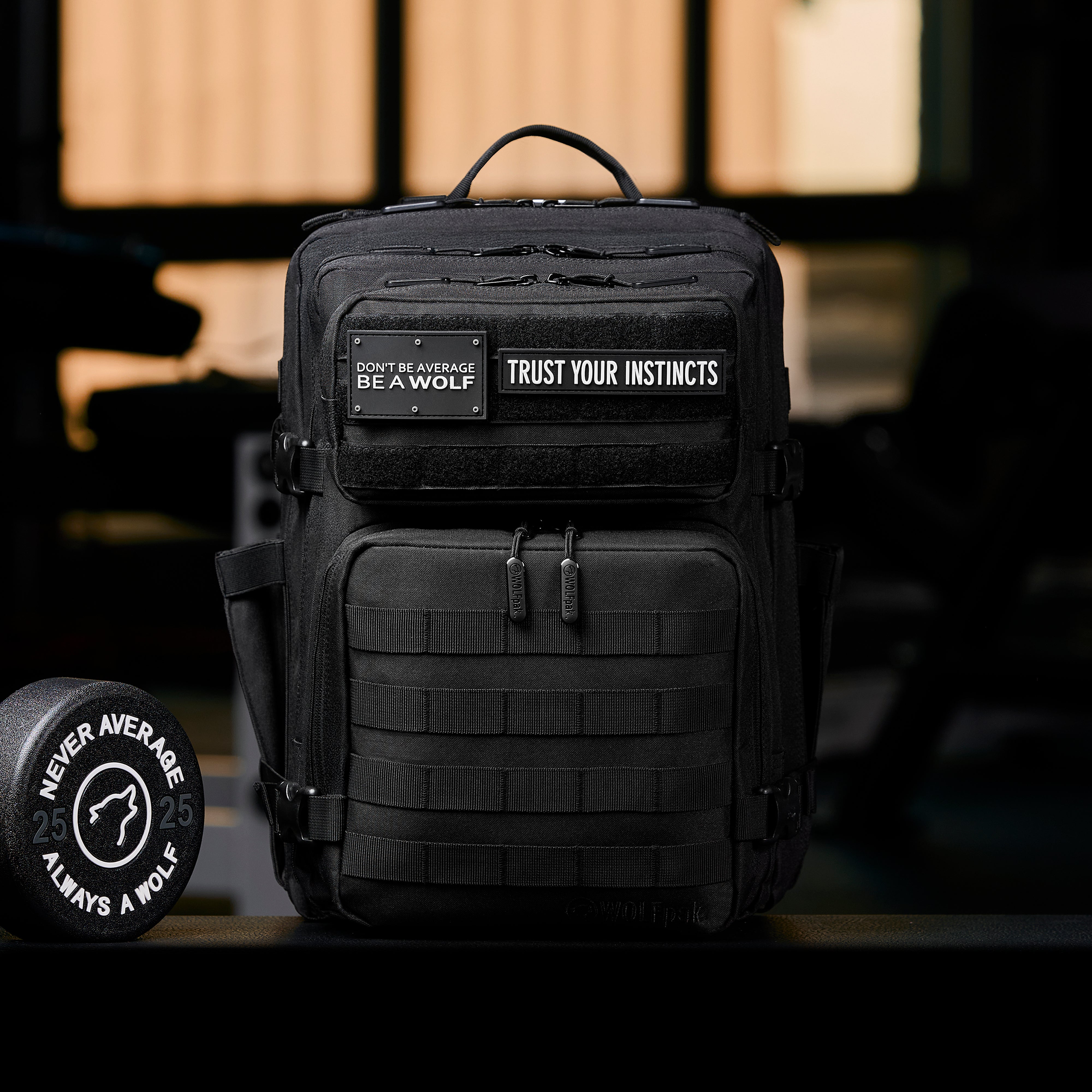
Your pack, shelter, and sleeping system are your lifeline in the backcountry. Don't cheap out on these three items. A quality tactical rucksack that fits your frame correctly will make carrying 30 pounds feel manageable, preventing shoulder strain and back pain on long hauls. Likewise, a reliable tent and a properly rated sleeping bag keep you dry, warm, and rested, which is necessary for recovery and performance during your excursion.
While you don't need the most expensive option on the market, you want equipment that is durable and built to withstand the elements. Choose gear that is functional, tough, and won't fail you when you need it most.
Don't: Skimp on Your Footwear
Your feet are your most important asset on the trail. Wearing the wrong footwear is a rookie mistake that can lead to trip-ending blisters, rolled ankles, and serious discomfort. Break in your shoes before hitting the trail, whether they are hiking boots for ankle support or lightweight trailrunners.
Wear them on walks, during workouts, and around the house for a couple of weeks leading up to your trip. This helps the shoes mold to your feet and allows you to identify any potential hot spots. Pair them with quality wool or synthetic socks to wick moisture and prevent blisters.
Do: Test Everything Before You Go

Never take brand-new, untested gear into the wilderness. You need to know how everything works before you're miles from civilization. Set up your tent in your backyard or living room, fire up your camp stove to see how it operates, and test your water filter so you know it functions correctly.
This simple step eliminates surprises and builds confidence. Figuring out how to pitch a tent in the dark during a rainstorm is a scenario to avoid. Run a quick trial to ensure you have all the necessary parts and can operate your equipment under pressure.
Don't: Overpack Unnecessary Items
Every ounce counts when it's on your back. It’s easy to fall into the trap of packing for every "what if" scenario, but a heavy pack will exhaust you faster than any steep incline. Lay out everything you think you’ll need, then critically assess each item. Ask yourself if it’s a necessity or just a comfort.
Focus on multi-use items to save space and weight. For example, a buff can serve as a headband, neck gaiter, and towel. Pack layers of clothing instead of bulky single items. A lean, efficient pack is a sign of an experienced backpacker.
Do: Plan Your Food and Water
Multi-day backpacking burns a serious number of calories, and you need to fuel your body to make up for the energy you’ll be expending. Plan your meals and pack dense, high-energy foods like nuts, dried fruit, protein bars, and dehydrated meals. You need more than snacks. Pack foods that will help you maintain your strength and focus.
Equally important is hydration. Know where your water sources are along the trail and carry a reliable purification method, like a filter or tablets. Never assume water from a stream or lake is safe to drink without treating it first.
Don't: Rely Solely on Technology
Your phone's GPS is a great tool, but it should never be your only navigation method. Batteries die, screens break, and service is nonexistent in many remote areas. Always carry a physical map of the area and a compass and make sure you know how to use them.
Before your trip, practice basic map reading and orienteering skills. Understanding how to read contour lines and find your bearings is a fundamental survival skill.
Do: Dress in Layers

The weather in the mountains changes in an instant. A sunny afternoon can quickly turn into a cold, windy, and wet evening. Dressing in layers allows you to adapt by adding or removing clothing to regulate your body temperature and stay comfortable.
Make the first layer a moisture-wicking layer to pull sweat away from your skin. Add a fleece or down mid-layer for insulation, and top it off with a waterproof and windproof outer shell. Avoid cotton, as it retains moisture and can lead to hypothermia in cold, wet conditions.
Don't: Ignore Your Body's Limits
You might be able to push through a tough workout, but the trail is different. Listen to your body because pushing through pain can lead to serious injuries that are difficult to care for in remote areas. Pace yourself, take regular breaks, and don't be afraid to cut a day short if you're feeling exhausted.
This is important advice on your first few trips as you learn how your body responds to carrying weight over varied terrain. Start with shorter, less strenuous trails to build your "trail fitness" and endurance.
Do: Practice Leave No Trace
The goal is to leave the wilderness exactly as you found it. The seven Leave No Trace principles are the ethical standard for anyone enjoying the outdoors. This means packing out everything you pack in, including food scraps and trash.
It also involves respecting wildlife, being considerate of other hikers, and minimizing your impact on the environment. Camp on durable surfaces, dispose of waste properly, and leave natural objects where they are. Preserving these wild places is a responsibility we all share.
Don't: Forget an Emergency Plan
Hope for the best, but prepare for the worst. Before you leave, create a detailed itinerary of your trip, including your route and expected return date. Leave this plan with a trusted friend or family member. This is your lifeline if something goes wrong.
Your pack should also contain a well-stocked first-aid kit, a headlamp with extra batteries, a fire starter, and an emergency shelter like a space blanket. For more remote trips, consider carrying a satellite communication device.
Your Adventure Awaits
Backpacking is a powerful way to challenge yourself, disconnect from the noise, and explore incredible landscapes. By preparing properly and respecting the wilderness, you set yourself up for a successful and rewarding adventure.
Now you know many dos and don’ts to help you start backpacking, and all you need is the right gear to carry you through. WOLFpak tactical backpacks are durable, functional, and comfortable. Explore our collection and find the pack that will lead you on your next adventure.
Read more

Take your fitness outdoors with calorie-burning sports like cycling, soccer, and rock climbing. Stay fueled and organized with WOLFpak’s meal management bags.

Find the perfect backpack size for your teen with tips on fit, capacity, and features. Keep them comfortable, organized, and ready for their busy day.
Leave a comment
This site is protected by hCaptcha and the hCaptcha Privacy Policy and Terms of Service apply.