








Banish Back Pain: How To Wear Your Backpack Correctly
You train hard, push your limits, and demand peak performance from your body. The gear you carry should support that mission, not sabotage it. A poorly worn backpack can quietly undermine your strength, leading to chronic back pain and poor posture. This guide will show you how to wear your backpack correctly, turning it from a potential liability into a true asset for your daily needs.
We will break down the necessary steps to properly select, pack, and adjust your gear. You will learn how to make your pack an extension of your body, distributing weight efficiently to maintain mobility and prevent injury. By mastering these principles, your focus remains on the task at hand, not on nagging discomfort.
Choosing Your Ultimate Load-Bearing Partner
Your backpack is a piece of equipment that supports your demanding lifestyle. The right choice starts with finding a pack that matches your frame and your mission, since an ill-fitting pack forces your body to compensate, leading to muscle strain and long-term damage.
Find the Right Fit for Your Frame
A pack's dimensions should be proportional to your torso. It shouldn't be wider than your shoulders or hang too low on your back. Look for adjustable, padded shoulder straps that conform to your body without digging in or slipping. Also, look for padded back panels that provide both comfort and a protective barrier between you and your gear.
For those who carry gear for work, workouts, and meal prep containers for meals on the go, a pack with a structured internal frame offers superior support. It helps transfer the load's weight from your shoulders to your hips, engaging your body’s strongest muscle groups. This design is fundamental for maintaining an upright, powerful posture, even when fully loaded.
Mastering the Art of Packing
How you load your backpack is just as important as how you wear it. A well-packed bag is a balanced bag, and balance prevents the strain that causes back pain. Strategic placement of your items can make a heavy load feel exceptionally lighter.
Pack for Performance and Balance

Begin by placing the heaviest items closest to your spine, centered between your shoulder blades. This technique keeps the center of gravity high and tight against your back, preventing the pack from pulling you backward and forcing you to lean forward. Lighter, less dense items can then fill the surrounding space and outer compartments.
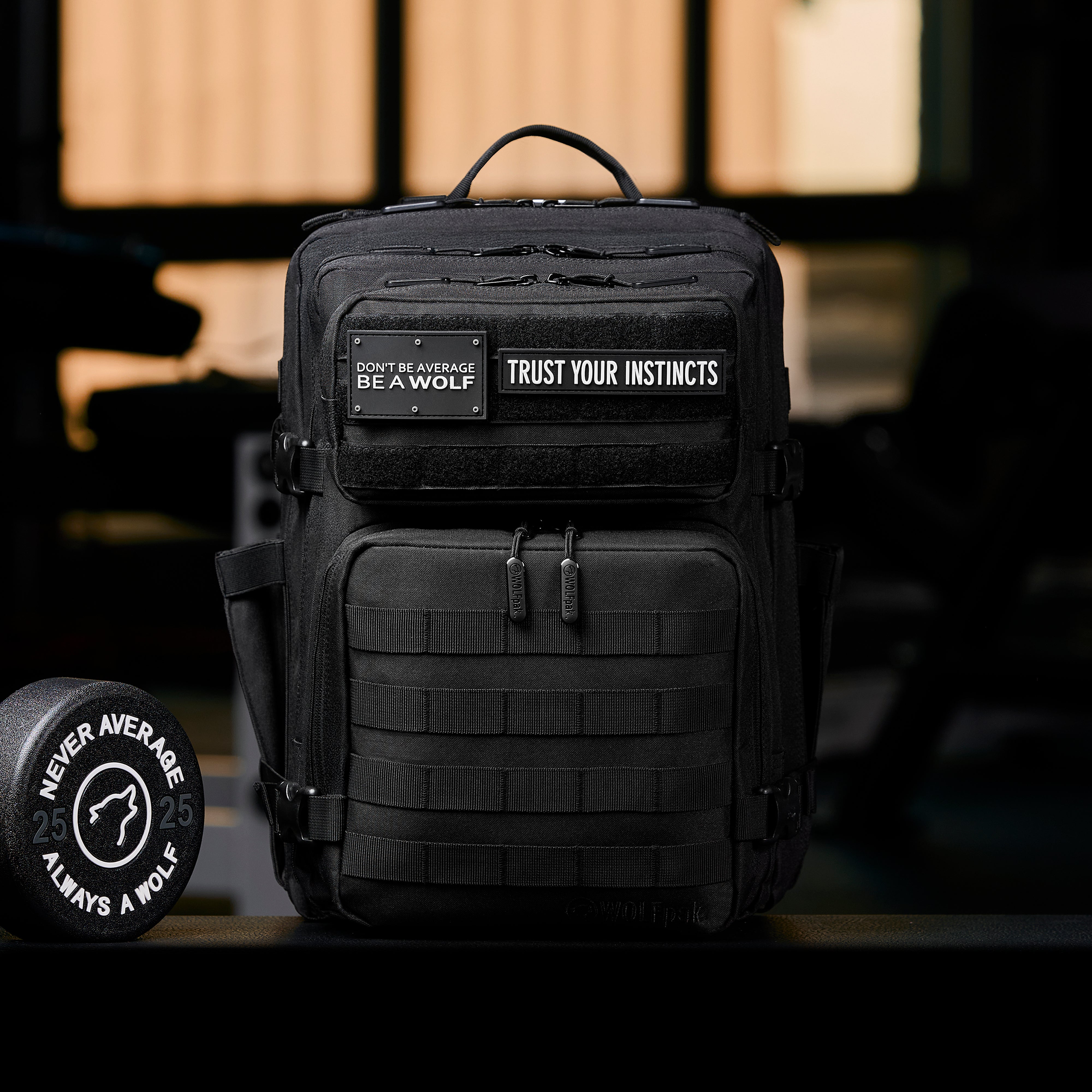
Utilize the multiple compartments found in high-quality tactical bags to your advantage. Separate your work essentials, workout clothes, and prepared meals to distribute weight evenly across the pack. This keeps you organized and prevents shifting that can throw you off balance during movement. For many daily missions, a durable medium rucksack provides the perfect balance of capacity and maneuverability, allowing you to carry everything you need without excess bulk.
The Perfect Adjustment for Peak Comfort
Once you choose a pack and load it, the final step is to secure it properly to your body. Making the right adjustments makes your backpack move with you instead of against you. Take a few moments to dial in the fit of your backpack every time you put it on.
Cinch It Down, Lock It In
Always use both shoulder straps. Throwing a pack over one shoulder concentrates the entire weight on one side, leading to muscle imbalance and spinal stress. Tighten the straps until the backpack sits snugly against your back, resting evenly in the middle of your back without sagging below your waistline.
Engage Your Core Support System
Fasten the sternum (chest) strap to stabilize the load and keep the shoulder straps from sliding outward. This simple step dramatically improves stability during dynamic movements. Next, secure the waist belt. A properly tightened waist belt transfers a large portion of the weight onto your hips, relieving your shoulders and spine from bearing the full burden. Your hips and legs can carry heavy loads, so let them do the work.
Signs You're Doing It Wrong

Your body will send clear signals if your backpack is causing a problem. Ignoring these warning signs can turn minor discomfort into a chronic injury that sidelines you from your duties and your training. Be mindful of how you feel while carrying your gear.
Pain in your neck, shoulders, or lower back is the most obvious red flag. If you find yourself constantly leaning forward to compensate for the weight, your pack is either too heavy or improperly packed. Red marks or numbness in your shoulders indicate that your straps are too tight or lack sufficient padding, cutting off circulation and straining your muscles. Listen to your body and make immediate adjustments to prevent lasting harm.
Your Pack, Your Ally
Think of your backpack as a tool for supporting your pursuits, whether they're tactical, athletic, or everyday tasks. A well-chosen and properly worn pack keeps you agile, reduces fatigue, and helps you stay ready from the first hour to the last. Regular maintenance, like checking for worn straps or damaged buckles, prolongs the life of your gear and safeguards your performance.
Backpacks engineered with adaptable compartments, rugged materials, and ergonomic support fit seamlessly into demanding lifestyles. Use your pack the right way, and it will serve as a reliable ally, helping you carry essentials comfortably and conquer whatever challenge comes your way.
Elevate Your Everyday Carry
Now that you know how to wear your backpack correctly, select the right pack for your body and mission, pack it for optimal balance, and make smart adjustments to banish back pain for good. Regularly inspecting your gear, staying current on load-carrying techniques, and reassessing your pack’s fit as your needs change are proactive habits that protect your health and ensure your equipment keeps up with you and your lifestyle.
WOLFpak backpacks are for tactical and fitness-minded users who seek rugged materials, ergonomic support, and versatile compartments. When we make our backpacks, we prioritize proper use and taking advantage of innovative features, from modular layouts to heavy-duty support systems, which means your backpack is a true ally. Carry what matters most, comfortably, confidently, and with the assurance that you’re equipped for anything your daily routine demands.
Weiterlesen

Struggling to stay on top of your meals during a busy week? Meal prepping could be the game-changer you need to simplify your life and hit your goals.

Extend your backpack's lifespan with practical care tips, from cleaning and repairs to repurposing. Keep your gear mission-ready for years to come!
1 Kommentar
A useful resource for Australians looking for accessible information about pain and pain management. https://painrxaustralia.com/
PainRx Australia
Hinterlasse einen Kommentar
Diese Website ist durch hCaptcha geschützt und es gelten die allgemeinen Geschäftsbedingungen und Datenschutzbestimmungen von hCaptcha.