






10 Most Common Meal Prep Mistakes To Avoid
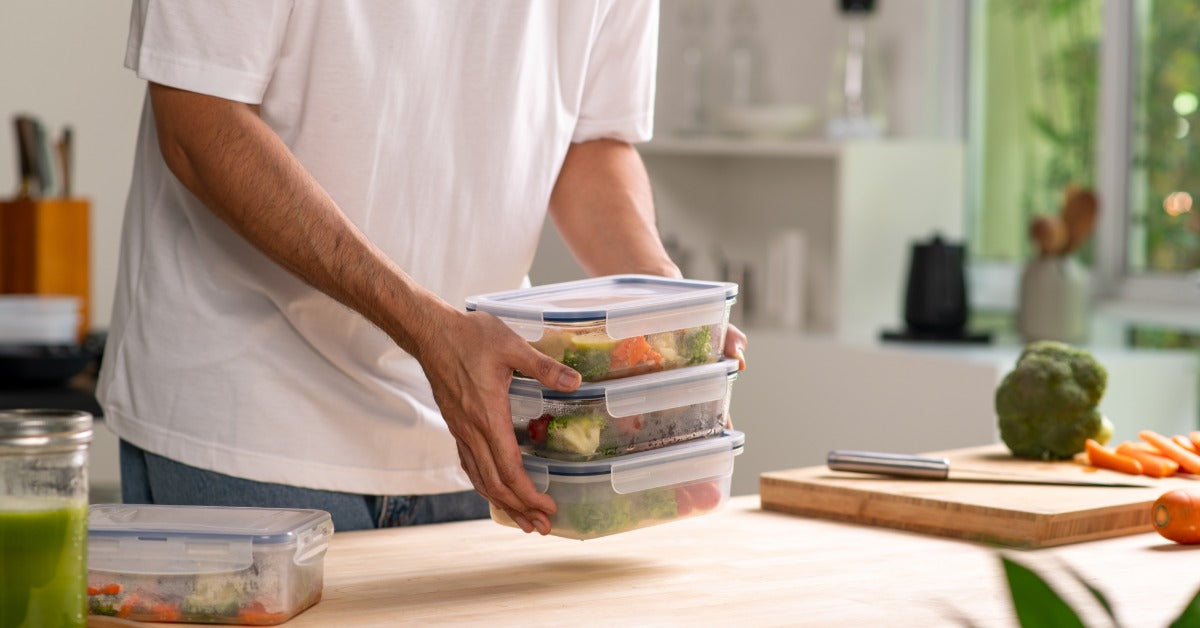
Staying consistent with nutrition depends on preparation. Many people rely on pre-portioned meals to stay on track during busy workdays, workouts, and long commutes. However, the methods used to pack and transport meals influence food safety, convenience, and daily routines more profoundly than most realize.
The most common meal prep mistakes to avoid reflect a pattern many people encounter after starting a meal planning routine. Small packing habits can lead to spills, spoiled food, or unnecessary stress during the day, which makes consistency harder to maintain. Pinpointing where these issues occur can establish a reliable routine, organizing meals for the moment you need them.
Why Efficient Meal Prep Organization Matters
Meal preparation helps people maintain structure in their daily eating habits. Relying on pre-portioned, ready-to-go meals simplifies the commitment to nutritional goals during busy workdays or demanding training schedules. Plus, organized meal transport reduces the need for last-minute food choices that don't align with those goals.
However, without a clear packing system, prepared meals can quickly become inconvenient to manage, from containers shifting during travel, to snacks becoming difficult to locate, and liquids spilling on food items. A structured method for organizing meals inside a bag prevents these disruptions while keeping food easy to access throughout the day.
Packing Meals Without Considering Temperature Control
Temperature control is one of the most frequently forgotten parts of meal transport. Many prepared dishes rely on chilled ingredients that require constant refrigeration until the moment of use. When meals sit inside a bag without insulation or cooling support, they may warm up during commutes or long work shifts.
Changes in temperature can affect both safety and food quality. Ingredients may lose texture, freshness, or flavor if they remain outside proper storage conditions for too long. Using insulated compartments or ice packs can maintain a stable environment, so meals stay fresh until you need it.
Using Containers That Do Not Fit Your Bag Properly

Food containers support meal prep organization more than many people expect. Containers that are too wide, too tall, or irregularly shaped can create wasted space inside a bag. When containers do not sit securely, they may shift during movement or press against other items.
Selecting containers that stack neatly and fit the interior dimensions of the bag can prevent these issues. Uniform sizing simplifies packing routines, as each meal fits into the same dedicated space day after day. With a standardized container setup, meal prep transport is far more predictable.
Ignoring Weight Distribution When Packing Meals
Meal prep bags gain surprising weight as multiple containers, snacks, and chilled drinks fill the interior. Randomly placed items create an uneven or uncomfortable weight distribution during long commutes and brisk walks between locations. Tag on poor balance and the containers are bound to shift.
By placing heavier items near the center of the bag, you can stabilize the load. Lighter foods, utensils, and accessories can then fill outer compartments without affecting ratio. Balanced weight distribution simplifies every carry, preventing containers from tipping or pressing against one another.
Skipping Compartmentalization for Different Foods
Packing all items into a single open space may seem convenient at first, but it usually leads to disorganization. Utensils can slip between containers, while heavier items threaten to crush delicate snacks or hide smaller pairings in the depths of the bag. When everything sits together, retrieving meals quickly becomes frustrating.
Separate by dividing items into compartments that keep meals structured throughout the day. Individual sections protect delicate foods and make it easier to grab specific items without unpacking the entire bag. Organized compartments also reduce movement inside the bag, which maintains food quality during travel.
Forgetting Hydration Storage
Many meal prep routines focus entirely on food containers, but hydration is also necessary. In an unorganized bag, water bottles and shaker cups end up squeezed into remaining space, which can place pressure on food containers or make the bag difficult to close properly.

Use dedicated bottle pockets or holders to keep drinks separate from meals while maintaining stability inside the bag. Integrating hydration storage alongside food containers preserves a sense of order, keeping every essential in its dedicated place. This small adjustment makes daily packing faster and reduces the need to carry additional bags.
Carrying Too Many or Too Few Meals
Determining how many meals to bring each day can take time to figure out. Some people pack more food than they realistically need, which adds unnecessary weight and clutter to the bag. While others underestimate their needs and end up purchasing food later in the day, possibly ruining their daily routine or goal.
Planning meals around daily schedules creates a more balanced routine. Professional obligations, commute lengths, and training intensity all dictate the volume of meals and snacks required for the day. Once a consistent schedule develops, packing the right amount of food becomes much easier.
Not Cleaning Your Bag Regularly
Even carefully packed meals can occasionally leak or leave behind crumbs, and small amounts of residue may accumulate inside the bag. Neglected cleaning invites odors and bacteria to flourish in the bag's most discreet corners, so do routine cleaning to maintain hygiene. Make sure to wipe interior surfaces, remove leftover debris, and allow the bag to air out to prevents buildup between uses.
Relying on Standard Bags Instead of Structured Solutions
Standard backpacks or tote bags are not always designed for transporting multiple food containers. Without internal organization, meals may stack unevenly or slide around during travel. This lack of structure can increase the chances of spills or damaged containers.
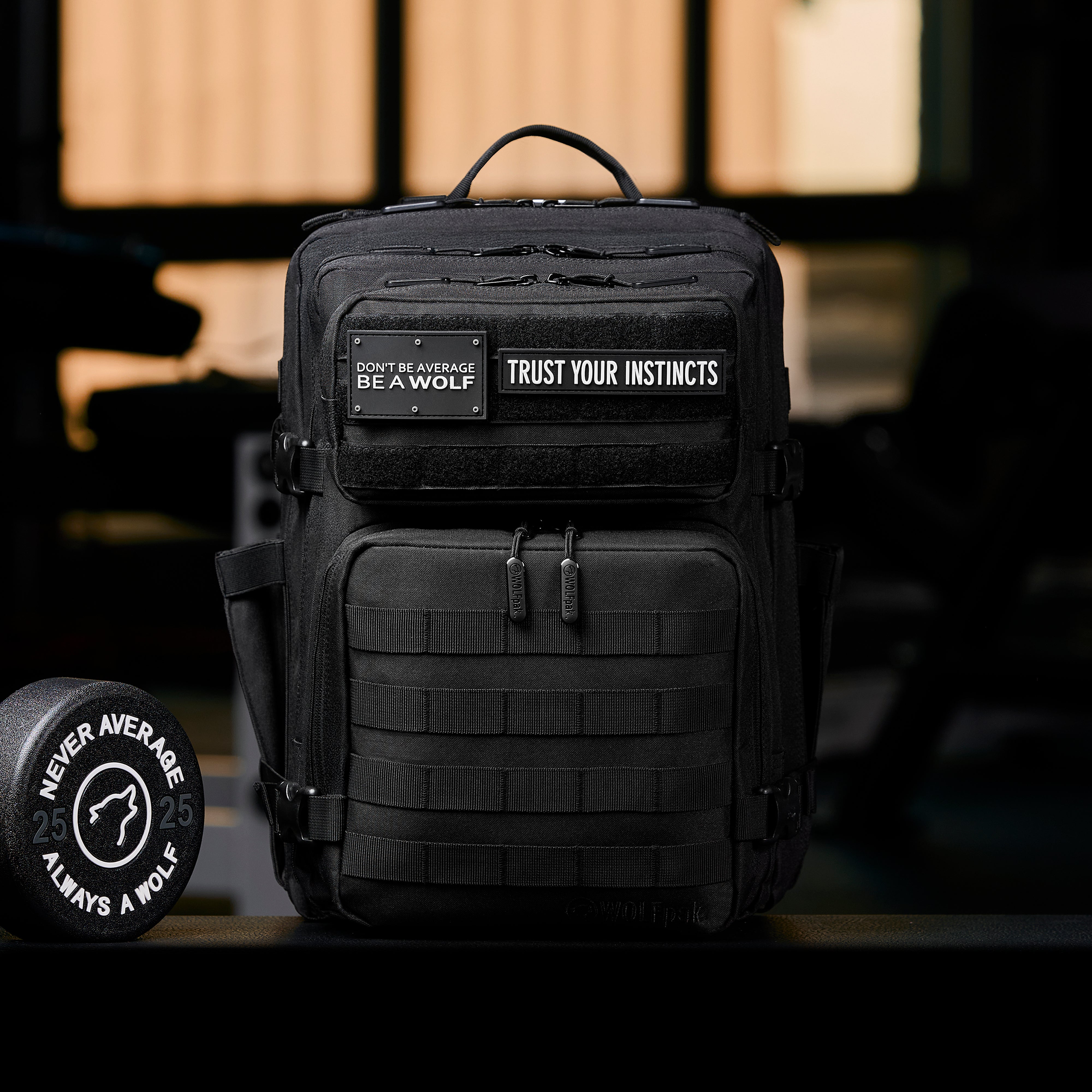
A meal prep backpack offers compartments and reinforced storage that help meals stay secure while commuting between home, work, and the gym. The backpacks structured layouts make packing faster since containers, drinks, and utensils each have designated spaces. Using equipment designed for meal transport can simplify the entire process so much more.
Build a Better Meal Prep Routine With Smarter Organization
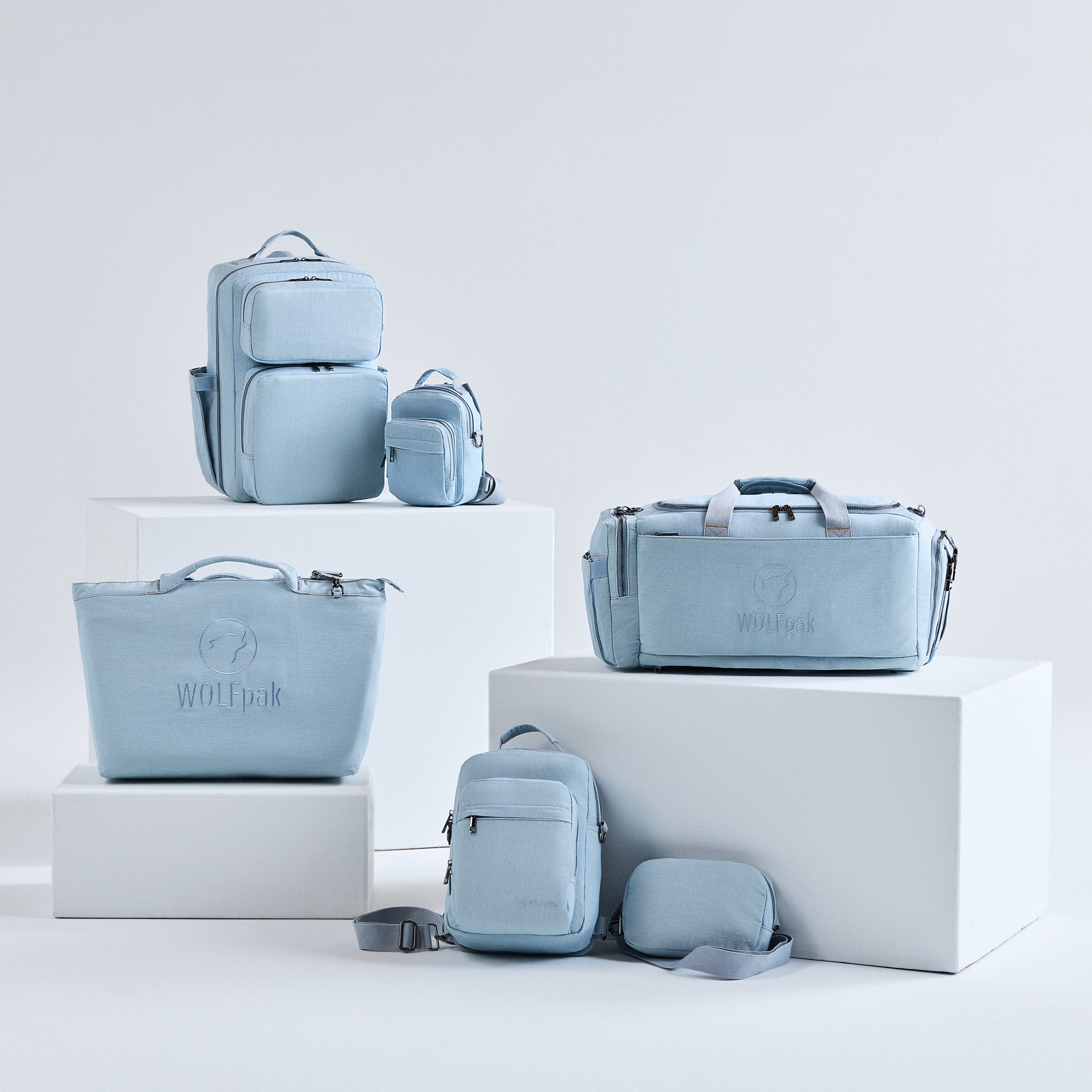
Avoiding the most common meal prep mistakes creates a smoother and more dependable system. A well-organized backpack provides structured compartments, reliable storage, and room for both meals and hydration. Explore WOLFpak’s meal prep bag collection to support your routine with gear designed to keep food organized and ready wherever the day takes you.
Leggi di più

From battlefield origins to modern gym and travel gear, tactical backpacks have evolved through innovation, durability, and performance-driven design.
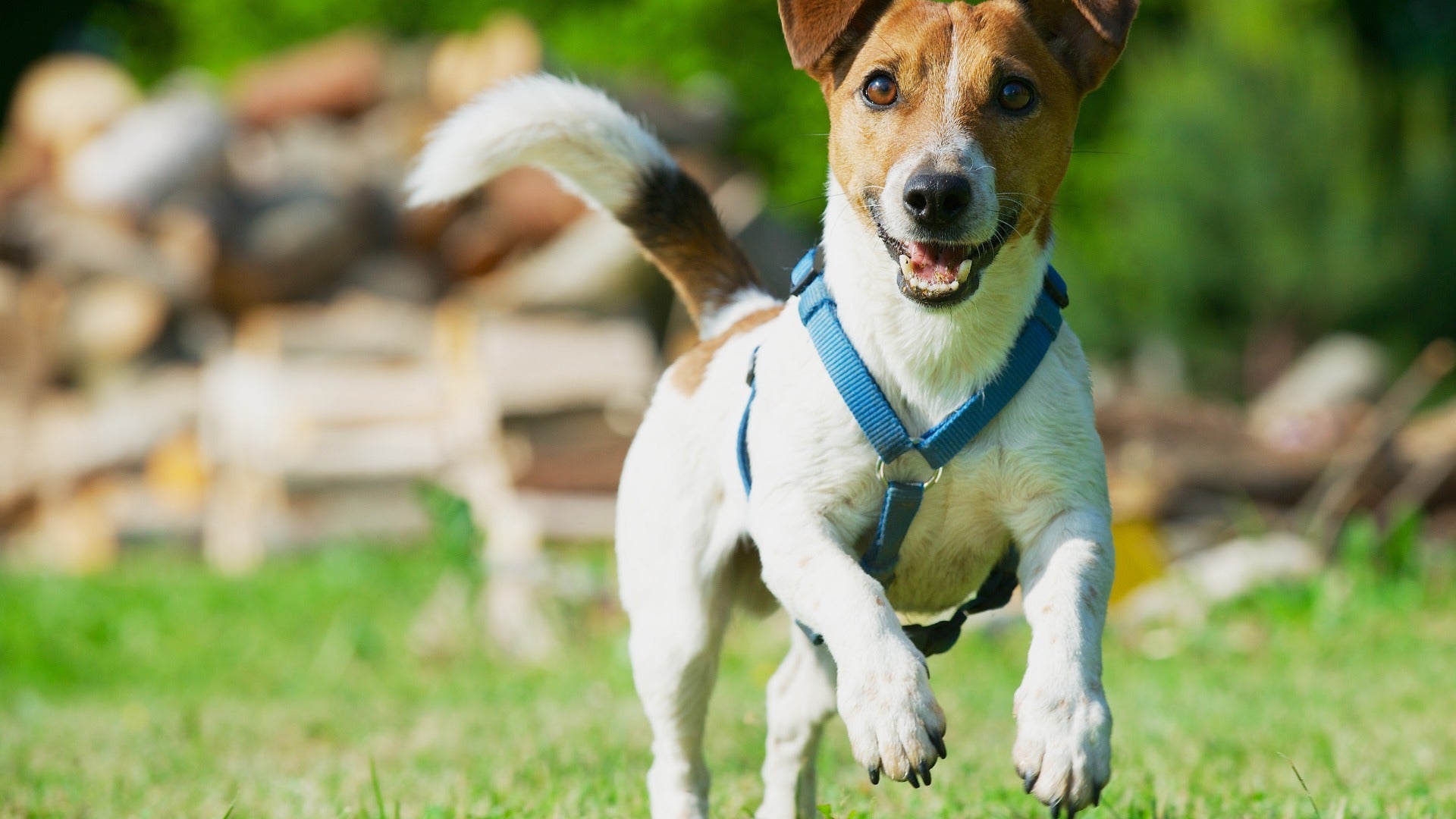
Harness fit affects comfort, control, and safety during daily walks. Understanding harness styles and sizing helps create a better walking routine for dogs.
Commenta
Questo sito è protetto da hCaptcha e applica le Norme sulla privacy e i Termini di servizio di hCaptcha.