






Mini Backpack Organization Tips for Small Gear
A mini backpack offers a convenient way to carry everyday essentials without the bulk of a larger bag. However, its compact size can make organization challenging when smaller belongings collect at the bottom or disappear beneath other items. Finding your keys shouldn't require emptying an entire compartment, especially when you're heading to the gym or moving between activities.
Following practical mini backpack organization tips for small gear can help you use limited storage space while keeping important belongings accessible. The goal isn't to squeeze as much as possible into every available pocket, since an overcrowded bag often makes retrieving items more frustrating. A thoughtful arrangement should reflect what you carry regularly and how you use those belongings throughout the day. With a little planning, compact storage can accommodate your essentials without creating unnecessary clutter.
Start With the Essentials You Actually Carry
Before organizing your mini backpack, empty it completely and review everything you typically bring along. Small accessories accumulate easily, especially when you leave items inside after returning home. Removing unnecessary belongings creates room for equipment that supports your current routine.
Consider your activities when deciding what deserves a permanent place in the bag. A practical starting point includes:
- Workout essentials: Earbuds, locker keys, and compact fitness accessories.
- Everyday necessities: A wallet, identification, and house keys.
- Electronic accessories: Charging cables or a small portable charger.
- Personal items: Lip balm, hand sanitizer, or other frequently used products.
If you haven't used an accessory in several weeks, consider whether it needs to occupy valuable space.
Assign Specific Locations to Small Accessories
Small belongings become difficult to find when they move freely throughout a backpack. Giving each essential a consistent location reduces unnecessary searching and makes it easier to notice when something is missing. This approach works particularly well for objects that you carry every day.
Choose storage locations that match the size of each accessory, paying attention to whether nearby belongings could interfere with retrieval. Keys might fit comfortably inside a small zippered pocket, while a compact notebook may sit better against the main compartment's interior. Returning each item to its assigned location helps preserve the arrangement between outings.
Use Small Pouches To Control Loose Items

Removable pouches can contain accessories that would otherwise scatter throughout your backpack. A compact organizer works well for charging cables, especially when you regularly transfer electronics between different bags. Keeping related accessories together also reduces the chance of leaving an individual item behind.
However, adding too many organizers can consume valuable space inside a compact backpack. Choose pouches that fit comfortably without stretching surrounding compartments, and avoid placing a single small item inside an unnecessarily bulky case. Flexible organizers may accommodate changing needs more easily than rigid containers.
Make the Most of Existing Compartments
A backpack's compartment layout influences how effectively you can organize smaller belongings. Before purchasing additional accessories, examine the available pockets and consider which items fit naturally within them. Using existing storage features may eliminate the need for extra organizers altogether.
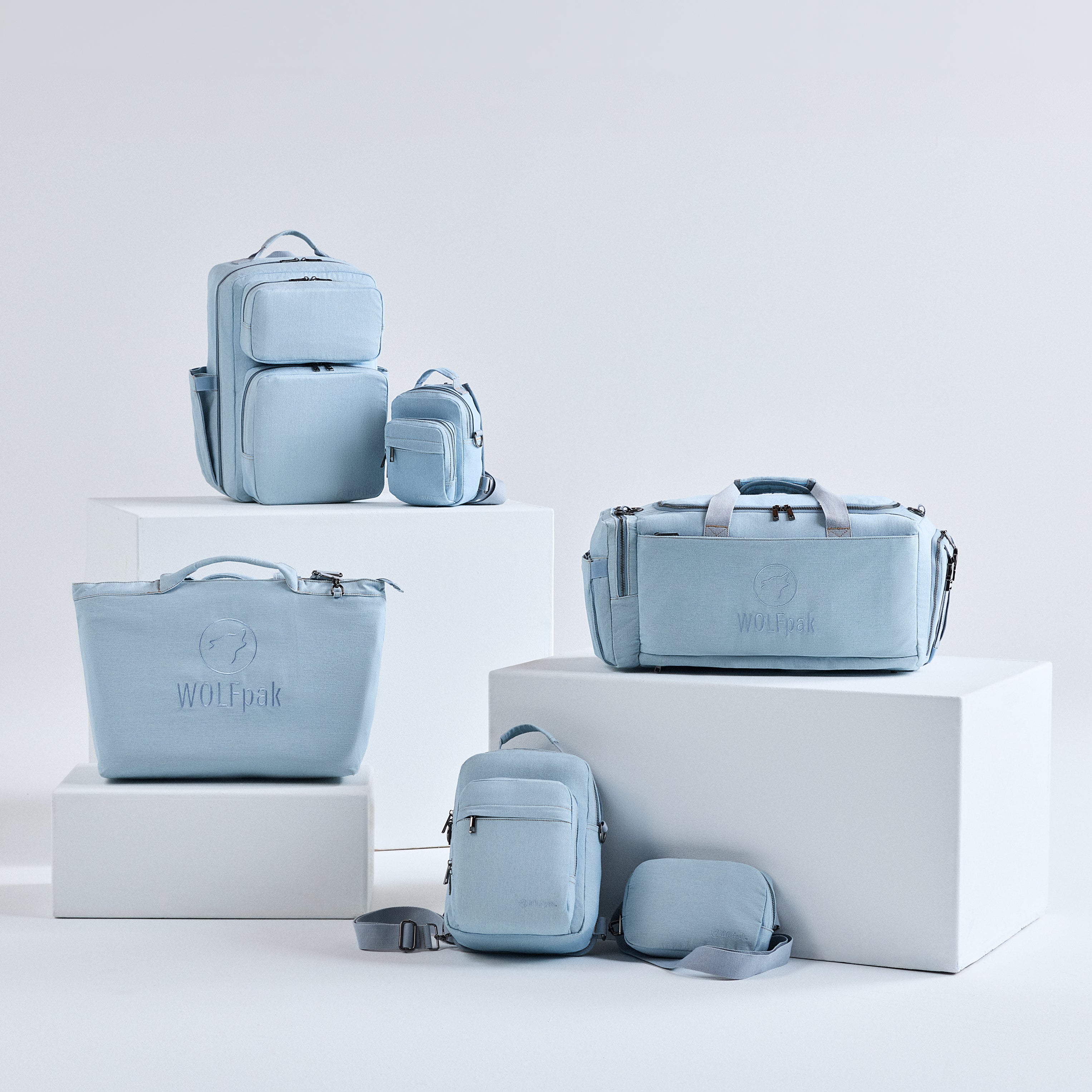
A mini sports backpack can accommodate compact workout essentials when its storage layout suits the equipment you carry. Compare the dimensions of your belongings with the available compartments before deciding where everything belongs. If a pocket feels difficult to close, reconsider its contents.
Protect Delicate Accessories From Damage
Compact storage places belongings close together, increasing the possibility that harder objects will press against delicate accessories. Sunglasses, for example, may become scratched when they share a compartment with loose keys. Even ordinary movement can create unwanted contact between items.
Use a suitable protective case for fragile belongings, particularly when your backpack lacks dedicated storage for them. Position delicate accessories where heavier objects won't press against their surfaces. A slightly less compact arrangement may offer better protection than one that maximizes every inch of space.
Arrange Items According to Their Shape
The shape of your belongings affects how comfortably they fit inside a mini backpack. Flat accessories can occupy narrow spaces, while irregular objects may require more room to prevent pressure against surrounding items. Paying attention to these differences helps you create a more practical arrangement.
Start by positioning flat belongings against suitable interior surfaces, allowing them to follow the backpack's natural shape. Smaller objects can occupy remaining spaces when they won't obstruct access to other essentials. Avoid stacking rigid accessories in ways that create uncomfortable bulges against the back panel.
Keep Frequently Used Gear Easy To Reach

Convenient access matters when you're carrying a compact backpack throughout a busy day. Repeatedly opening the main compartment for something you use frequently can interrupt your routine, particularly when you're moving between activities. Think about the order in which you typically need your belongings.
Reserve accessible pockets for items you expect to retrieve during an outing, provided those locations offer appropriate security. For example, you might keep your earbuds near the top when heading to the gym but move them into a protected compartment afterward. Adjusting access according to your immediate plans prevents less important belongings from obstructing essentials.
Prevent Small Items From Shifting During Movement
Walking quickly or exercising can cause loosely packed accessories to settle into unexpected locations. This movement becomes more noticeable when several small objects occupy a compartment designed for larger belongings. An arrangement that looks organized while stationary may function differently once you're moving.
Test your packing arrangement by carrying the backpack briefly before leaving. Notice whether anything shifts noticeably or creates an uncomfortable pressure point. If an accessory moves excessively, try a closer-fitting compartment or adjust its position without adding unnecessary packing materials.
Maintain Your Organization Between Activities
Even a carefully arranged backpack can become disorganized when your schedule changes. Accessories that serve a purpose during workouts may become unnecessary when you're heading to work or running errands. Reviewing your contents between activities helps keep the bag relevant to your immediate needs.
Notice which storage locations consistently work well and which create inconvenience. If you repeatedly reach into the wrong compartment for an essential, consider adjusting its placement to match your habits. Your organization system should adapt naturally as your routine changes without requiring a complete rearrangement every day.
Make Compact Storage Work for Your Routine
Applying mini backpack organization tips for small gear can make carrying everyday essentials more convenient without requiring a larger bag. Consistent storage locations help reduce clutter, while thoughtful placement protects delicate belongings and keeps important accessories accessible. The most effective arrangement reflects how you use your backpack.
As your activities change, review whether your current layout still supports your needs. A compact backpack should accommodate your essentials comfortably without forcing you to search through crowded compartments. Explore WOLFpak's mini backpack collection to compare available styles and find a compact storage option that complements your routine.

Laisser un commentaire
Ce site est protégé par hCaptcha, et la Politique de confidentialité et les Conditions de service de hCaptcha s’appliquent.