





How To Keep a Large Tactical Backpack Organized
Managing space inside a large backpack becomes frustrating when items shift, overlap, or disappear into unused compartments, especially during fast-paced routines. Learning how to keep a large tactical backpack organized focuses on building a repeatable system that keeps everything accessible without constant rearranging. Instead of reacting to clutter, a structured setup creates predictability, which improves both efficiency and comfort.
A well-organized backpack supports movement throughout the day by reducing wasted effort and limiting unnecessary adjustments. Whether the user carries the pack for training, commuting, or travel, a consistent layout allows each item to sit where it belongs without interfering with others. Once that structure is in place, the bag functions more like a tool than simple storage.
Why Organization Matters in High-Capacity Backpacks
Larger backpacks introduce more storage potential, yet that added capacity quickly becomes inefficient if users place items without intention. When gear shifts inside the bag or overlaps between compartments, it disrupts balance and slows down access, which becomes noticeable during frequent use. A defined system allows each section of the pack to serve a purpose, creating a smoother experience from start to finish.
Without structure, high-capacity packs tend to invite overpacking, which leads to unnecessary weight and reduced usability. Assigning clear roles to compartments keeps items separated by function, so nothing competes for the same space. As a result, the bag remains easier to navigate while maintaining comfort throughout extended use.
Breaking Down Compartments in a 45L Setup
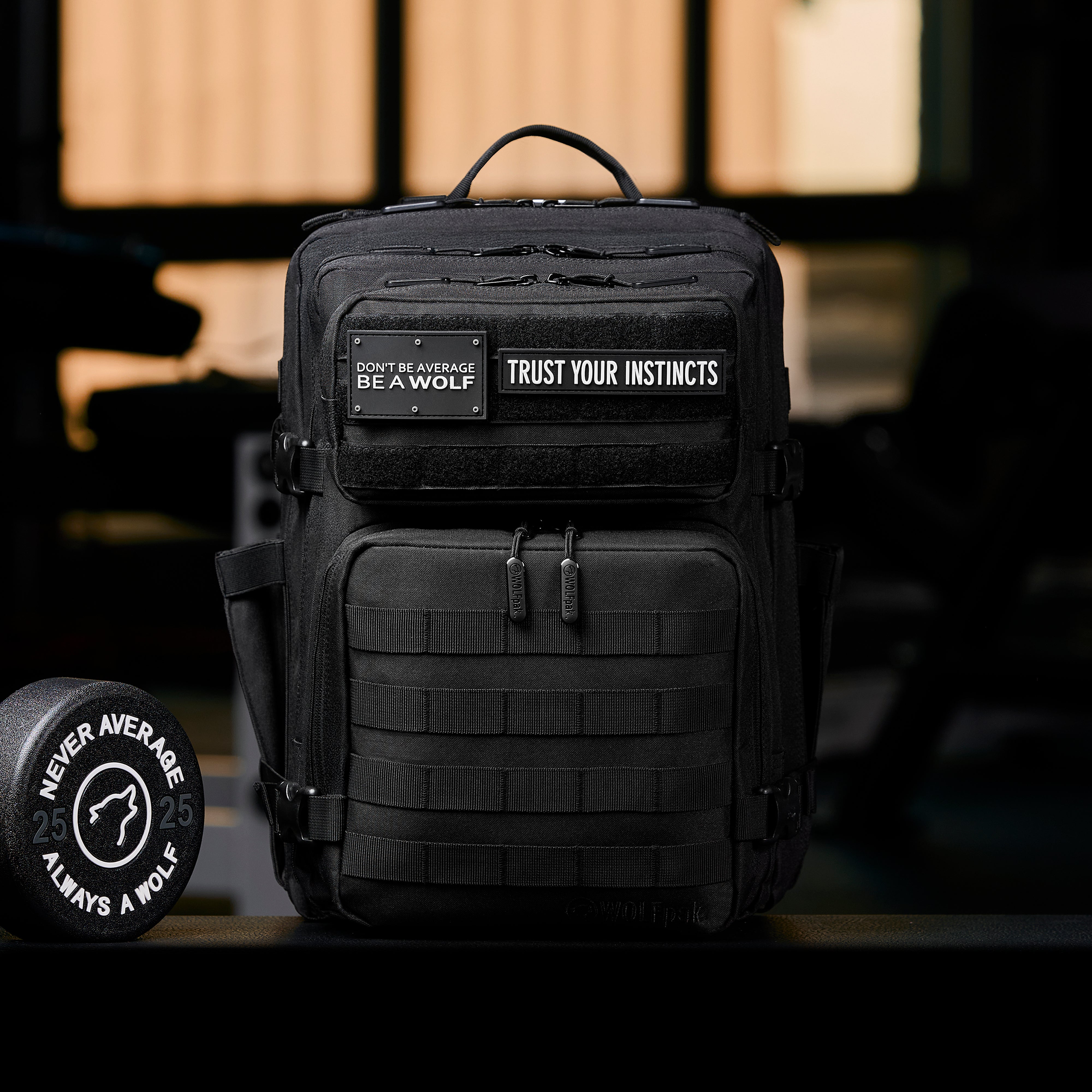
A 45L backpack typically includes multiple compartments designed to separate gear by size and function, but those features only work when the traveler uses each section intentionally. Larger compartments should hold bulkier items, while smaller pockets manage accessories that might disappear within the main storage area. This division creates a cleaner layout that supports both access and stability.
Internal vs External Storage Roles

Internal compartments are better suited for items that require protection or stability, such as structured containers or electronics. External pockets provide quicker access for items used throughout the day, including water bottles or smaller essentials that need to stay within reach. Keeping these areas consistent prevents items from shifting between spaces and disrupting the system.
Layering Gear Based on Frequency of Use
Packing based on how often you need items creates a natural flow that reduces unnecessary movement when accessing the bag. Frequently used items should remain closer to the top or in quick-access compartments, while less-used gear can sit deeper within the pack. This approach limits the need to unpack multiple layers just to retrieve one item.
When travelers layer gear correctly, the backpack supports daily routines without requiring constant adjustments. This structure becomes intuitive, allowing you to reach for items without thinking about their placement. Ignoring this approach leads to repeated disruptions, as items compete for space.
Managing Bulk Items Without Wasted Space
Bulkier items can quickly take over a large backpack if you do not position them carefully, reducing the available space for smaller essentials. Placing these items in alignment with the bag’s structure keeps the load balanced while preserving room for other gear. Instead of stacking items randomly, a more deliberate placement keeps the interior organized and functional.
Compression Techniques That Maintain Shape
Using compression straps or packing methods that reduce empty space keeps bulk items compact without distorting their shape. This prevents the bag from becoming uneven, which can affect both comfort and stability during movement. A controlled approach to bulk storage allows the rest of the pack to remain accessible and organized.
Cable, Accessory, and Small Item Control
Smaller items create the most clutter when you do not contain them properly, especially in larger packs where they can shift between compartments. Keeping accessories grouped in dedicated pockets or organizers prevents tangling and makes them easier to locate when needed.

Rather than spreading small items across multiple sections, grouping them by function builds a cleaner system that is easier to maintain. Once these items have a designated space, the need to reorganize the entire bag decreases, which improves efficiency during daily use.
Preventing Overpacking While Staying Prepared
High-capacity backpacks make it easy to carry more than necessary, which adds weight and reduces overall usability. Setting limits on what belongs in the bag creates a balance between preparation and practicality, allowing the pack to stay functional without becoming overloaded. Each item should serve a clear purpose within the system, and you should leave it behind if not.
Evaluating gear based on frequency of use and necessity keeps the load controlled while maintaining organization. When the bag stays within a manageable range, compartments retain their function and the overall structure remains intact. Overpacking tends to disrupt that balance, making even well-designed layouts harder to maintain.
Adapting Organization for Gym, Travel, and Work
Different routines require different setups, so the organization system should remain flexible while maintaining a consistent foundation. Gym use may require separation between clothing and gear, while travel setups benefit from layered packing that maximizes space. Work-focused use prioritizes quick access to essentials without unnecessary bulk.
Instead of rebuilding the entire layout for each use, adjusting specific compartments allows the bag to adapt without losing its structure. This approach keeps transitions efficient while maintaining familiarity, which reduces the need for constant reorganization across different routines.
Maintaining Organization
Even a well-structured system can break down if the user does not maintain it regularly, especially when they remove or add items throughout the day. Making small adjustments as needed prevents clutter from building up, which keeps the overall layout intact without requiring a full reset.
Resetting compartments at the end of the day reinforces the structure and prepares the bag for the next use. This habit keeps everything in place while reducing friction during busy routines. With repetition, maintaining an organized bag becomes part of the process.
Build a System That Works Every Time
Learning how to keep a large tactical backpack organized comes down to consistency and intentional packing decisions that support daily movement. When each compartment serves a defined role and every item has a designated place, the backpack becomes easier to manage without constant adjustments.
A structured setup improves efficiency while reducing unnecessary strain, which makes high-capacity bags more practical across different environments. Explore WOLFpak’s collection of large backpack options to find a design built for durability, organized storage, and reliable performance that supports your system from day one.
もっと見る
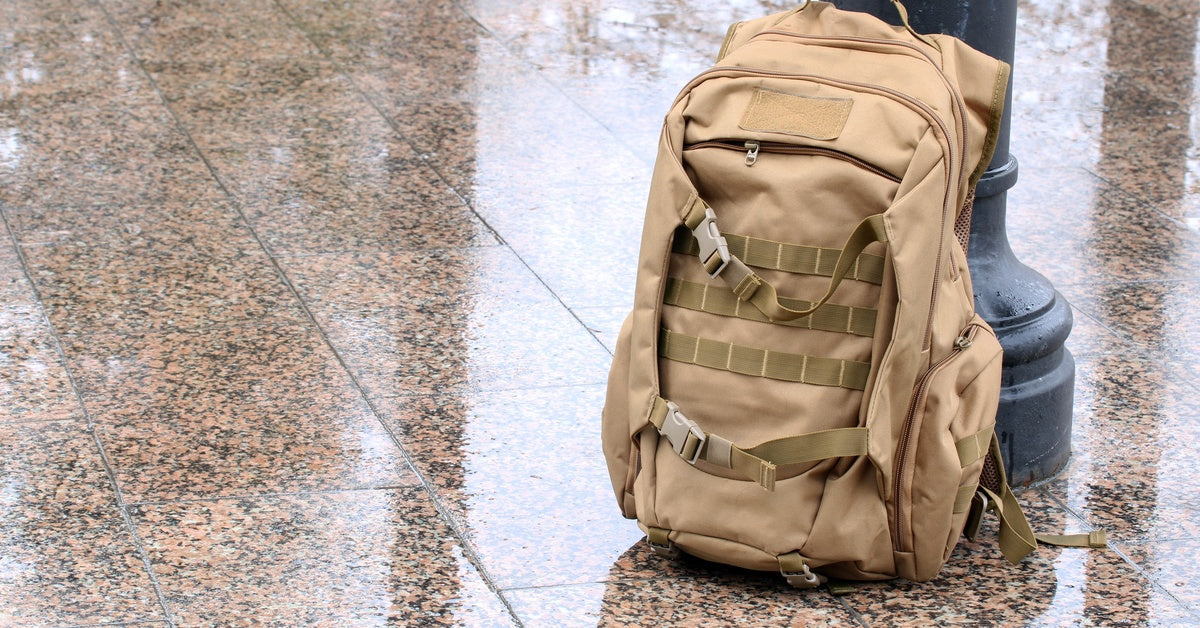
MOLLE systems add more than just extra storage to a backpack. See how this modular design changes the way users organize, carry, and access gear daily.
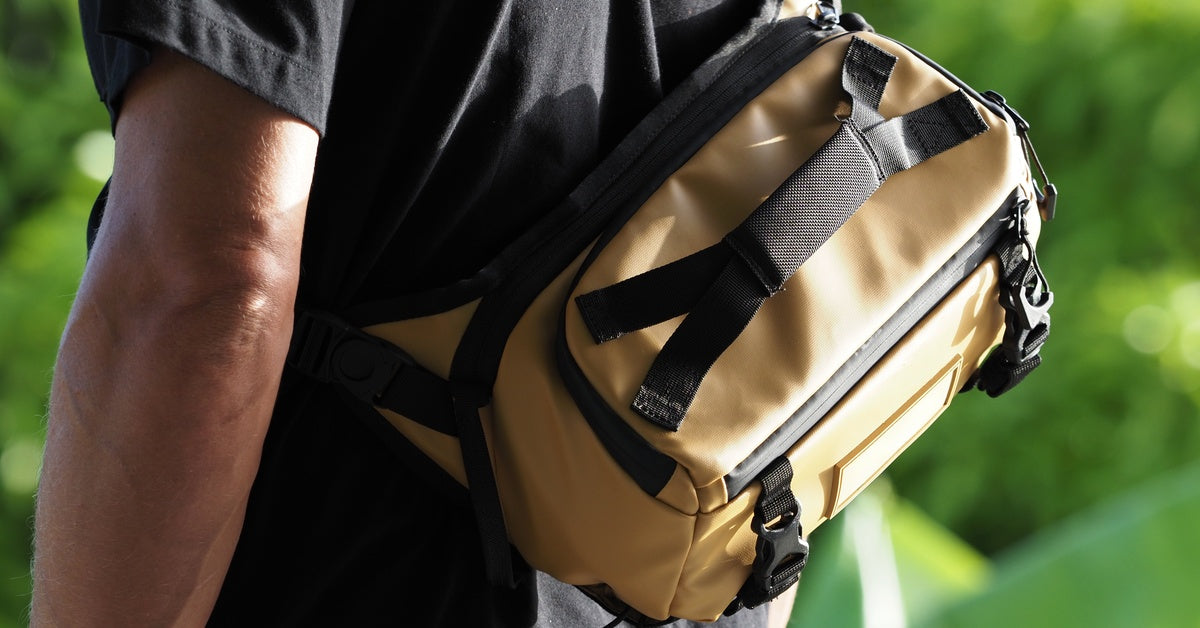
Sling bags offer compact storage and quick access for daily essentials. See when they make more sense than backpacks and how to choose the right one.
コメントを書く
このサイトはhCaptchaによって保護されており、hCaptchaプライバシーポリシーおよび利用規約が適用されます。