






How the MOLLE System Works for Tactical Backpacks
As backpacks evolve, many designs now prioritize adaptability as much as storage. People no longer carry the same items every day, which means a fixed layout can quickly become limiting when routines shift between work, training, travel, and everyday use. In response, modular systems have become a defining feature in more advanced bag designs.
Understanding how the MOLLE system works for tactical backpacks provides insight into how manufacturers achieve this flexibility. Rather than relying on internal compartments, this system allows users to expand and reorganize storage externally. When used correctly, it creates a more responsive carry setup that adjusts to different needs without requiring an entirely new bag.
What the MOLLE System Is
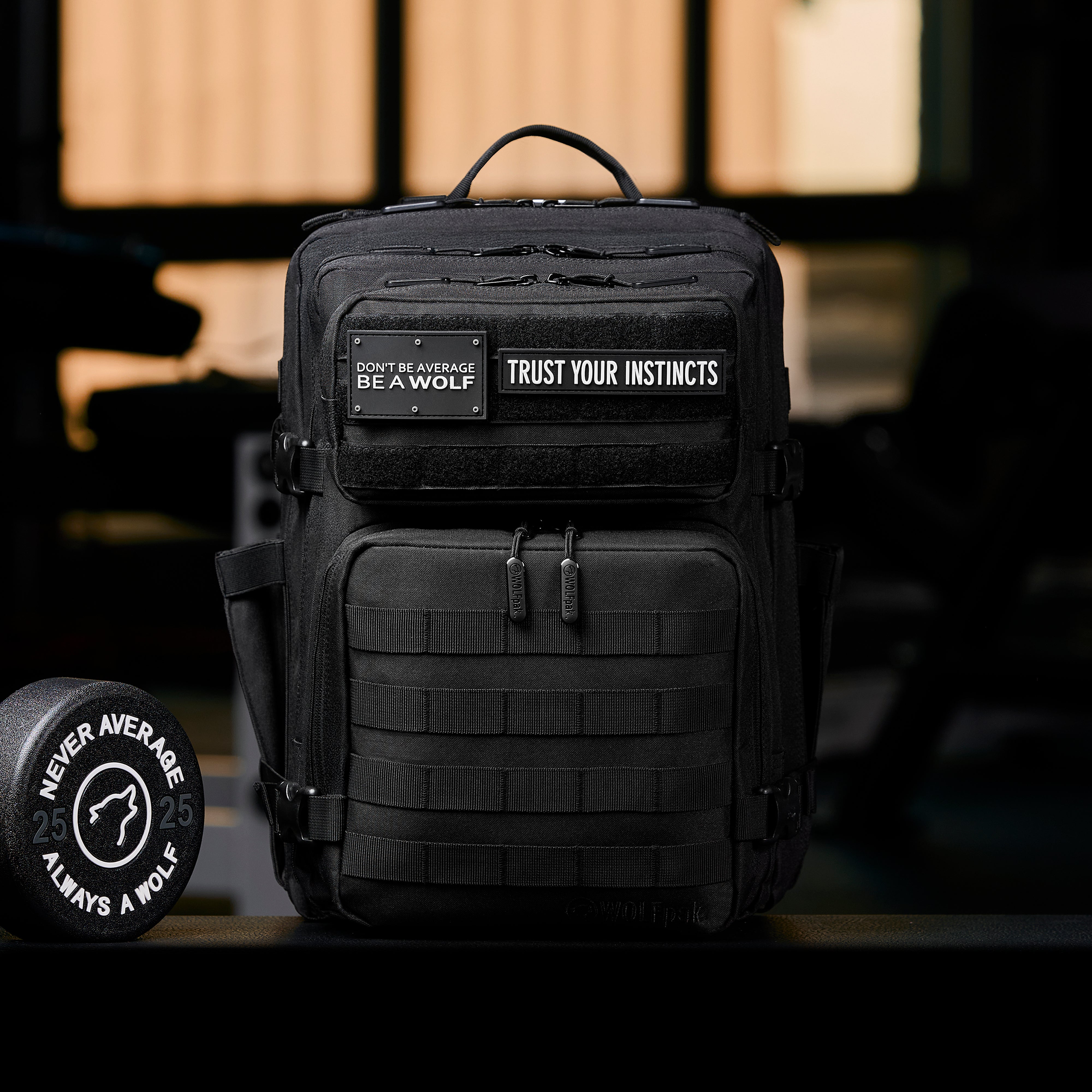
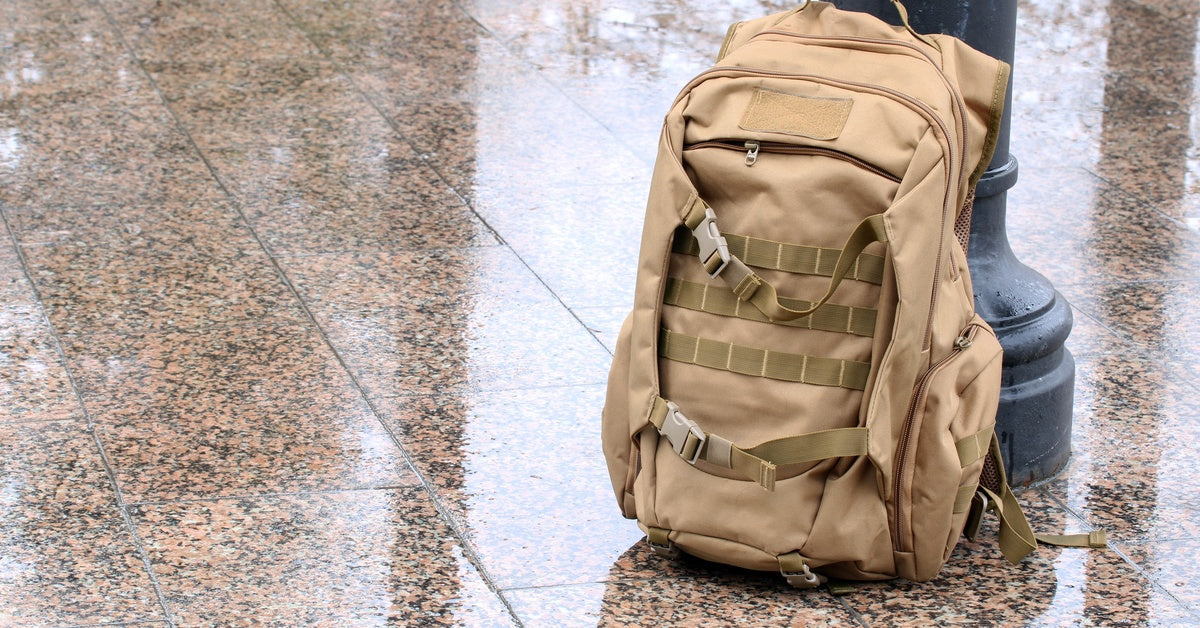
At its core, the MOLLE system consists of a grid of webbing stitched across the surface of a backpack. These rows form a consistent pattern that allows users to weave accessories through the loops and secure them directly onto the bag. Instead of acting as decoration, this layout functions as an attachment platform.
Because the structure follows a standardized format, users can attach a wide range of compatible accessories without worrying about fit. This consistency allows the bag to serve as a foundation that the user can customize depending on what they need to carry on a given day.
Why Modular Gear Systems Were Developed
Traditional backpacks rely on fixed compartments, which means users must adapt their gear to the bag. That approach can create inefficiencies, especially when different routines require different types of equipment. As needs change, those limitations become more noticeable.
Modular systems solve that problem by introducing flexibility into the design, instead of forcing everything into predefined spaces. This shift toward adaptability has made modular systems more relevant across a wide range of use cases.
Understanding MOLLE Webbing Layout

The effectiveness of the MOLLE system depends on how manufacturers arrange the webbing. Rows of durable fabric run horizontally across the bag, with evenly spaced stitching that creates loops for attachments. This grid-like structure provides a reliable foundation for securing additional storage.
When users weave accessories through the webbing correctly, the items remain stable even during movement. The design prevents items from shifting or sagging, which maintains both balance and accessibility. Consistency in this way makes it easier to rely on the system for everyday organization.
Spacing, Stitching, and Attachment Points
Although the layout appears simple, the spacing and stitching determine how well the system performs under load. Evenly aligned rows allow attachments to sit securely, while reinforced stitching ensures the webbing can handle added weight without pulling away from the bag.
Poor construction in these areas can lead to instability, especially when carrying heavier items. Strong attachment points, on the other hand, allow accessories to lock into place and remain secure during movement. This level of durability becomes essential for users who rely on the system regularly.
Types of Accessories That Attach to MOLLE
One of the defining advantages of the MOLLE system lies in the variety of accessories it supports. Users can attach utility pouches, water bottle holders, medical kits, or small compartments designed for tools and personal items. Each addition expands the bag’s functionality without altering its core structure.
Instead of crowding internal storage, these accessories allow items to remain organized externally. Plus, frequently used gear can stay within reach, while less essential items remain stored inside the main compartments, maintaining order without sacrificing convenience.
Benefits of Modular Storage for Daily Carry
Modular storage changes how people approach organization, as users can distribute items across different attachment points. This approach reduces the need to search through the main compartment when looking for specific items.

At the same time, a well-planned setup can improve how the user distributes weight across the bag. Placing items intentionally can support balance, which makes the bag more comfortable to carry throughout the day. When used thoughtfully, the system supports both efficiency and usability.
Situations Where MOLLE Improves Organization
Certain routines benefit more from modular organization than others. For example, people who carry a mix of gear, such as work essentials, fitness items, and personal accessories, find it easier to separate those items using external pouches. Separating keeps everything accessible without creating an internal clutter.
Outdoor activities, travel, and long workdays also highlight the value of this system. When gear needs to change throughout the day, the ability to add or remove attachments allows the bag to adapt without requiring a complete repack. That flexibility makes the system useful across different environments.
How Capacity Changes With Modular Add-Ons
Adding attachments increases overall storage capacity, but it also changes how the bag feels and performs. While the extra space can be helpful, too many add-ons can create bulk and affect how the bag carries during extended use.
A more effective approach involves selecting attachments carefully and placing them with intention. Heavier items should stay closer to the center of the bag, while lighter accessories can sit toward the outer areas.
Avoiding Overloading Your Pack
Although the MOLLE system allows for expansion, adding more storage does not always improve organization. Excess attachments can make the bag feel crowded and harder to manage, especially during longer periods of wear.
Focusing on basic items keeps the setup streamlined and functional, and by limiting attachments, users can maintain the benefits of modular storage without sacrificing comfort or mobility.
Choosing a Tactical Backpack With MOLLE Compatibility
Selecting a bag that includes MOLLE features requires attention to both construction and usability. A well-built medium tactical backpack should include reinforced stitching, durable materials, and a properly aligned webbing system that supports attachments without compromising structure.
Beyond the build quality, the overall layout should support both internal and external organization. When compartments and attachment points work together, the bag becomes more versatile and easier to adapt.
Build a More Adaptable Carry System
Understanding how the MOLLE system works for tactical backpacks allows you to approach everyday carry with more flexibility. Instead of relying on a fixed layout, you can create a setup that evolves with your routine, making it easier to keep gear organized and accessible throughout the day.
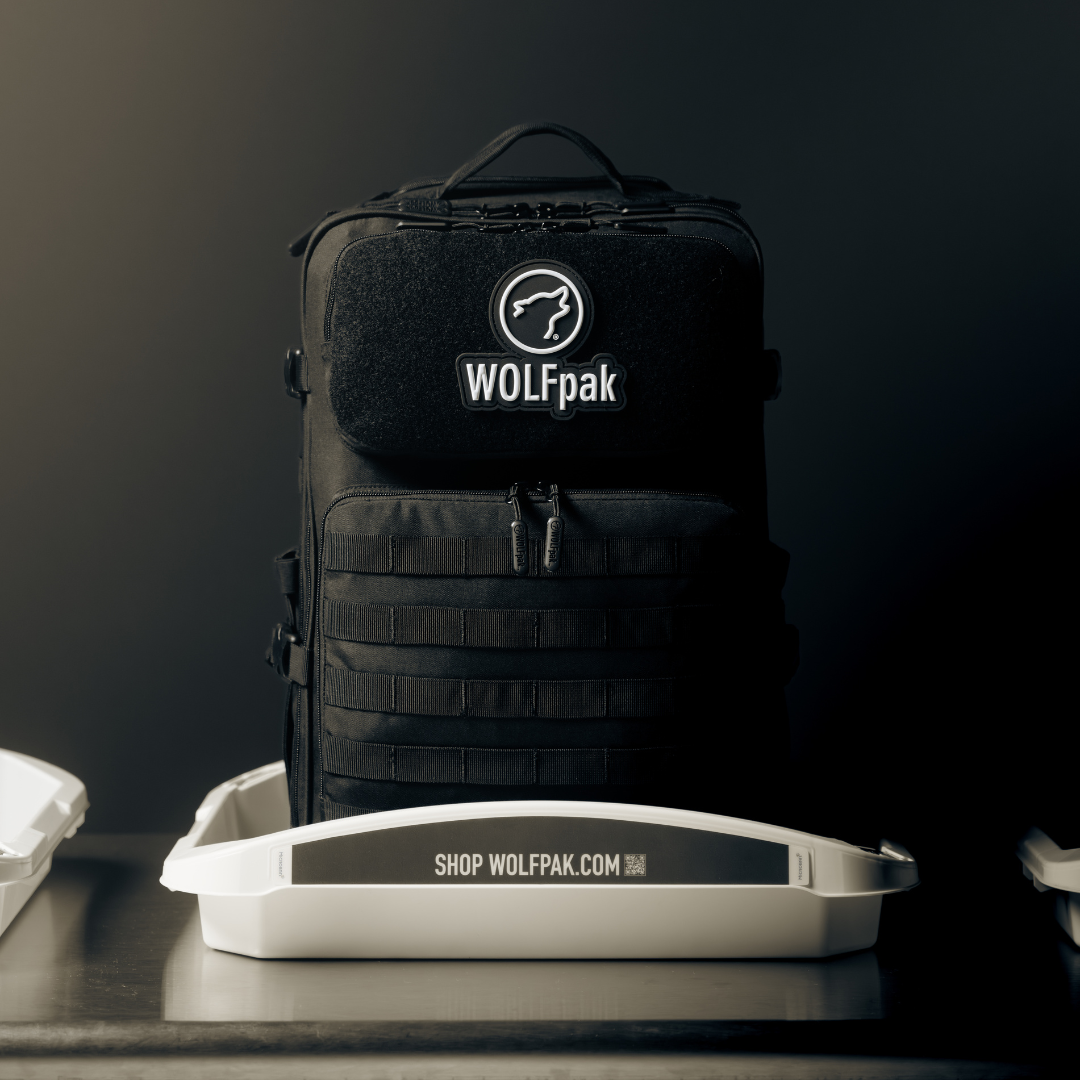
For those looking to build a more adaptable system, exploring WOLFpak’s collection of tactical backpack options provides a starting point. With durable construction and modular compatibility, these bags support a range of configurations designed to keep essentials secure while adjusting to changing needs.
Hinterlasse einen Kommentar
Diese Website ist durch hCaptcha geschützt und es gelten die allgemeinen Geschäftsbedingungen und Datenschutzbestimmungen von hCaptcha.