







Understanding Load Distribution on Dog Harnesses
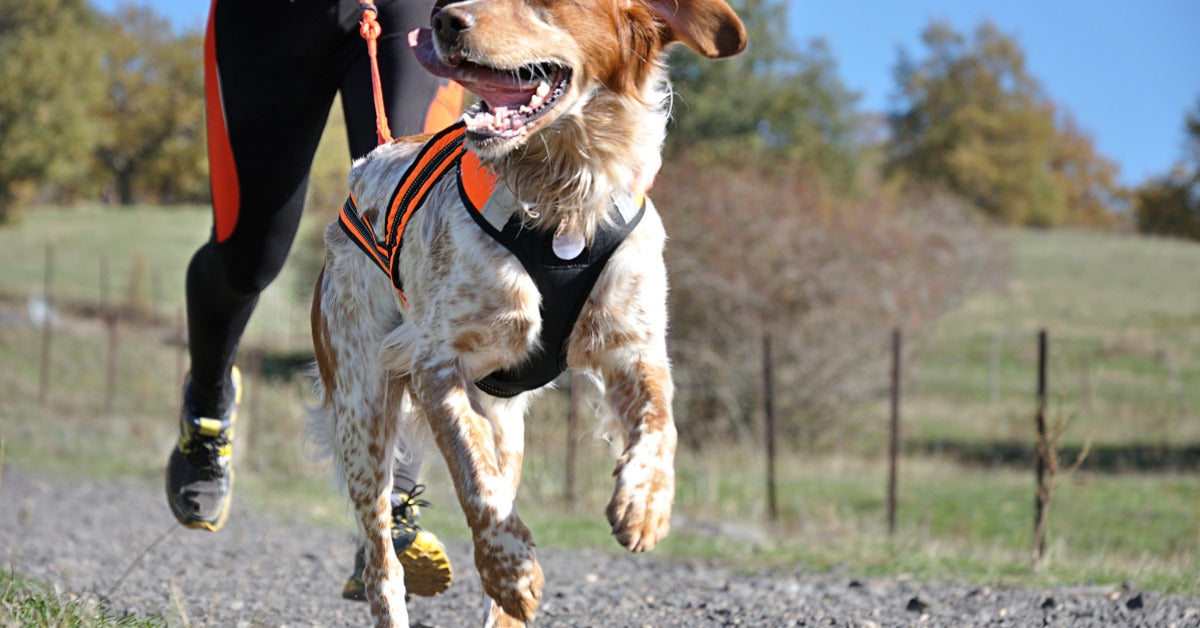
A harness changes how force moves across a dog’s body, which directly affects comfort, control, and movement during daily use. When understanding load distribution in dog harnesses, the focus centers on how pressure spreads. When weight concentrates in the wrong areas, the dog compensates with altered movement, which reduces efficiency and creates unnecessary strain.
Balanced distribution allows the handler to guide movement more precisely while the dog maintains a natural stride. Instead of creating resistance, a properly structured harness supports motion and keeps pressure aligned with stronger areas of the body. This shift improves both handling consistency and long-term wearability across different activities.
How Weight Placement Affects Movement
Weight placement determines how force travels through the harness and into the dog’s body during movement. When pressure sits too high near the neck or too far back along the spine, it disrupts stride patterns and forces posture adjustments, and these changes can build into fatigue or resistance.
Positioning weight closer to the chest and shoulders allows stronger muscle groups to carry the load without restricting motion. This placement keeps the dog moving forward naturally while maintaining steady control through the leash. When alignment stays consistent, movement remains smooth even during changes in pace or direction.
Pressure Points and Comfort Zones in Dogs
A dog’s body does not respond evenly to pressure, which makes anatomical placement a key factor in how a harness performs during use. The chest and upper torso contain larger muscle groups that can handle distributed force more effectively, while narrower or more sensitive areas react quickly when pressure builds. Understanding these differences allows the harness to work with the dog’s structure rather than against it.
Certain zones require more attention because they are more prone to irritation or strain under repeated tension. The neck, for example, contains sensitive structures that do not tolerate concentrated force well, while the underarm area can experience friction if straps sit too close or shift during movement. Uneven load distribution creates stress areas in joints and transition points between muscle groups, especially during long periods of activity.
Chest vs Back Load Positioning

Chest-based positioning allows force to spread across a broader and more stable surface, which reduces pressure in sensitive zones and supports better overall comfort. Back-loaded positioning can still function effectively, though it requires careful alignment to prevent force from shifting toward less tolerant areas like the upper spine or neck.
When a harness respects these anatomical zones, it reduces the likelihood of irritation and allows the dog to move without hesitation. Ignoring these sensitivities increases the chance of discomfort, which can affect both behavior and long-term usability.
Material Structure and Its Role in Balance
Material selection influences how the harness handles force under tension, which affects both stability and comfort. Firmer materials hold their shape and keep straps in position, while softer materials allow flexibility but may shift if not reinforced properly. A balanced combination creates structure without limiting movement.
Wider straps improve distribution by spreading force across more surface area, while reinforced stitching keeps the harness stable during repeated use. Durable construction prevents the material from folding or twisting, which keeps pressure evenly distributed across contact points during activity.
Adjustability and Fit for Even Distribution
Proper fit determines how evenly a harness distributes load, which makes adjustability a factor in performance. A loose harness allows movement between contact points, while an overly tight fit creates pressure buildup that limits mobility. Both scenarios reduce effectiveness and disrupt balance during use.
Multiple adjustment points allow the harness to follow the dog’s shape more precisely, which keeps pressure consistent across the body. When straps sit evenly and remain secure, the harness stays in place instead of rotating or pulling to one side. This consistency improves control without requiring constant correction.
Impact on Training and Handling Control
Handlers rely on clear feedback when guiding a dog, and load distribution influences how that feedback transfers through the harness. Even pressure creates predictable responses, while uneven force introduces confusion that can slow down training progress. Consistent distribution improves communication between the handler and the dog.
Stability During High Activity

High-energy movement places additional stress on the harness, which makes stability a priority during training or performance scenarios. A balanced design keeps the harness from shifting under tension, which maintains alignment during running, turning, or sudden stops.
When the harness stays stable, the handler gains better control while the dog maintains fluid movement. This balance supports both safety and performance in more demanding environments where consistency matters.
Common Fit Mistakes That Shift Load Improperly
Incorrect sizing remains one of the most common causes of uneven load distribution in a harness. A harness that sits too high concentrates pressure near the neck, while one that hangs too low shifts during movement and disrupts balance. Both issues create instability that affects control and comfort.
Uneven strap adjustments create another problem, as one side may carry more load than the other. This imbalance pulls the harness out of alignment and causes rotation during use. Regular adjustments and proper sizing prevent these issues and keep the harness functioning as intended.
Matching Harness Design to Activity Type
Different activities require different levels of control and stability, which means harness design should match the intended use. Casual walks benefit from balanced distribution with minimal restriction, while training or high-performance activities demand stronger structure and reinforced control points.
The right type of dog gear depends on how the activity applies force. A harness designed for active movement performs differently than one built for everyday use, so matching the design to the situation improves both handling and comfort.
Long-Term Effects of Poor Load Distribution
Poor load distribution creates gradual issues that may not appear immediately but develop with repeated use. When pressure consistently targets the wrong areas, it can lead to irritation, muscle strain, or changes in movement patterns that affect overall performance. These effects become more noticeable during longer walks or more demanding activities.
Correcting distribution early prevents these issues and supports healthier movement. A properly fitted harness maintains alignment and reduces unnecessary strain, which allows the dog to move comfortably across different environments without developing compensatory habits.
Build Better Control Through Balanced Design
Understanding load distribution in dog harnesses allows handlers to make informed decisions about fit, structure, and performance. When pressure stays evenly distributed, the dog moves naturally while the handler maintains consistent control across different environments. This balance creates a more effective and reliable experience during both daily routines and structured training.
Selecting well-designed sport dog gear supports both comfort and performance, especially when the harness aligns with the dog’s body and activity level. Explore WOLFpak’s collection to find durable options built for stability, control, and long-term use while applying what you’ve learned about understanding load distribution in dog harnesses.
Weiterlesen
Sling bags offer compact storage and quick access for daily essentials. See when they make more sense than backpacks and how to choose the right one.

A compact backpack leaves little room for error. Explore packing mistakes that can affect organization, comfort, accessibility, and daily efficiency.
Hinterlasse einen Kommentar
Diese Website ist durch hCaptcha geschützt und es gelten die allgemeinen Geschäftsbedingungen und Datenschutzbestimmungen von hCaptcha.