




How Long Can Meals Stay Fresh in an Insulated Backpack
When you pack a prepared meal for later in the day, the biggest uncertainty is whether it will still be properly chilled when you're ready to eat. An insulated backpack can help manage that gap between refrigeration and mealtime, but the bag alone doesn't determine how well the food holds its temperature.
Figuring out how long meals can stay fresh in an insulated backpack requires looking at what happens from the moment the food leaves the refrigerator. Its starting temperature, available cooling support, and storage conditions all affect how quickly it warms. Knowing how those factors work together makes it easier to plan a meal-packing routine around temperature control.
Insulation Slows Warming Without Creating Cold
Although insulated material can help protect chilled food from the surrounding environment, it cannot generate cold or lower the temperature of a warm meal. The barrier limits heat transfer into the compartment, allowing chilled contents to warm more gradually than they would inside an uninsulated bag.
Recognizing that limitation helps set realistic expectations for what the backpack can accomplish. Insulation can extend the conditions created before and during packing, but it cannot independently maintain a chilled environment indefinitely.
Food Safety Depends on More Than Time in the Bag
When you’re trying to decide whether a packed meal has remained fresh, counting the hours since you left home provides only part of the answer. Starting temperature and the amount of cooling support can change how quickly food warms, which means two meals packed for the same length of time may experience different conditions.
Even when the meals and cooling setup are similar, the environment surrounding the backpack can produce another difference. A bag stored inside a climate-controlled building faces less heat exposure than the same setup left somewhere considerably warmer.
Cold Sources Support the Insulated Compartment
Once chilled food leaves refrigeration, frozen cold packs provide the cooling support that insulation cannot create on its own. As heat gradually enters the compartment, those cold sources help the packed food maintain a lower temperature.

Positioning cold packs near perishable containers directs that cooling support toward the food that needs it most. Separating them from the meal reduces how directly they can influence the immediate area around the containers.
When you expect to spend a longer period without refrigeration, account for those conditions before leaving home. The cooling setup should reflect how long the meal needs to travel and the environment the backpack will encounter, rather than relying on insulation to make up the difference.
Starting With Chilled Food Gives the Setup an Advantage
Rather than asking an insulated compartment to cool a warm meal, pack food after it has had enough time to chill in the refrigerator. Beginning at a colder temperature allows the insulation and frozen packs to focus on limiting warming.
For meals prepared ahead of time, keeping them refrigerated until shortly before departure reduces unnecessary exposure to warmer conditions. Moving the containers directly into the prepared insulated compartment also gives you a consistent starting point when evaluating how well your packing method works throughout the day.
Outside Conditions Can Change Cooling Performance
Even though insulation creates a barrier around the meal compartment, the temperature surrounding the backpack still affects the conditions inside. Sustained exposure to heat can increase the challenge placed on the insulation and cause cold sources to lose their cooling ability sooner than they would in a milder environment.
Where possible, choosing a cooler location for the backpack can reduce that demand. Keeping it indoors may create very different conditions from leaving it inside a warm vehicle, particularly when the bag must maintain chilled food for several hours.
On days when refrigeration won’t be available, consider the environment the backpack will encounter before deciding how much cooling support to pack. A setup that performs adequately in a cooler setting may not produce the same result when the surrounding temperature rises substantially.
Frequent Access Can Make Cooling Harder To Maintain

Whenever you open an insulated compartment, outside air reaches the space you have been trying to keep cool. Repeated access can make temperature management more difficult, particularly when the surrounding environment is substantially warmer than the interior of the bag.
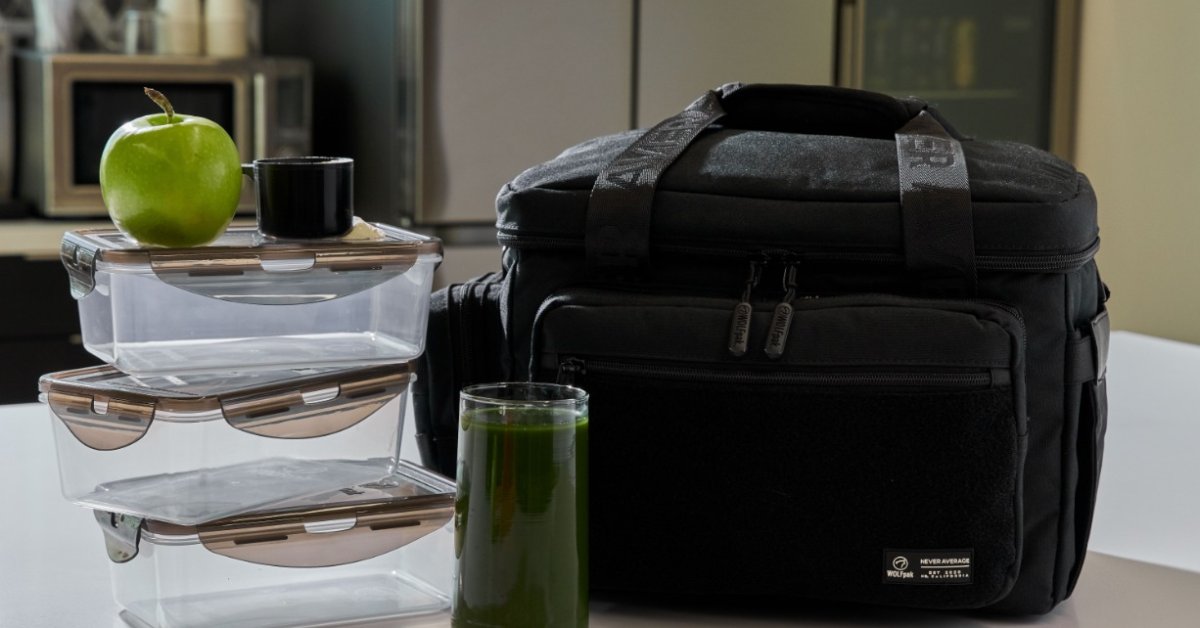
Organizing the backpack around when you need different items can limit unnecessary openings. Frequently used belongings can remain outside the insulated food compartment so you don’t have to expose the meal each time you need something unrelated. With meal management bags, separating prepared food from everyday items can make that approach easier to maintain throughout the day.
Temperature Checks Provide More Information Than Guessing
When you need more certainty about how well a particular packing routine performs, checking the meal with a food thermometer provides direct information about its temperature. Testing around the time you normally eat can help you evaluate whether your combination of insulation and cooling support performs as expected.
If the temperature shows that a meal warms more quickly than expected, that result gives you a practical reason to adjust your setup. You can reconsider the cooling support or choose a cooler storage location when one is available, then evaluate whether those changes improve performance.
Refrigeration Can Take Over When It Becomes Available
If your destination provides access to a refrigerator, transferring perishable meals after arrival reduces how long the insulated backpack must maintain their temperature. The bag can support the trip between locations while refrigeration provides a controlled environment during the hours before you plan to eat.
For schedules that keep you away from your meal until later in the day, this approach can reduce dependence on portable cooling for an extended period. When you need to transport the food again, you can return it to the insulated compartment with the cooling support appropriate for the next part of the day.
Build Your Meal Routine Around Temperature Control
Determining how long meals can stay fresh in an insulated backpack means considering the conditions affecting the food throughout the day. Starting with chilled meals creates a stronger foundation, while cold sources help the insulated compartment resist the heat it encounters after leaving refrigeration.
As you plan your meal routine, consider where the backpack will remain before you eat and whether refrigeration will become available along the way. If those circumstances change, the amount of cooling support you need may change as well. Checking the temperature when you're uncertain provides more useful information than relying on elapsed time alone. For days when prepared meals need to travel with you, browse WOLFpak's meal management collection to compare options for carrying food containers alongside your daily essentials.
Weiterlesen
A mini backpack can simplify daily carry when your essentials don't require extra space. Find out when compact capacity fits your routine best.
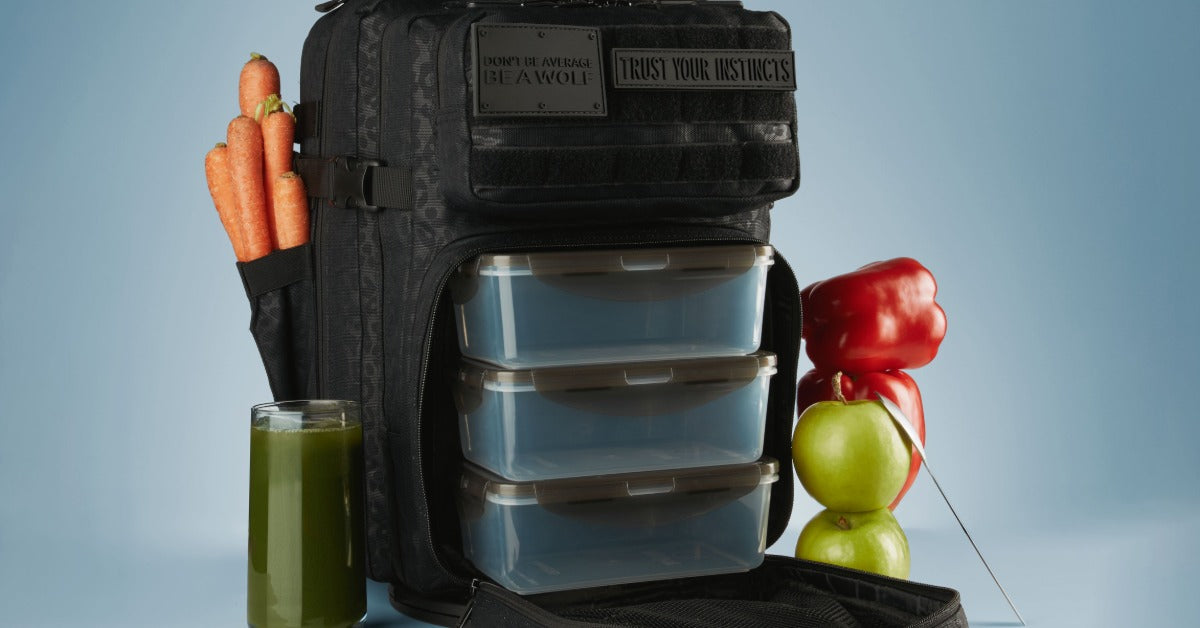
Food spills can leave more than a visible mess inside your meal prep backpack. Find out which cleaning steps help tackle residue, stains, and odors.
Hinterlasse einen Kommentar
Diese Website ist durch hCaptcha geschützt und es gelten die allgemeinen Geschäftsbedingungen und Datenschutzbestimmungen von hCaptcha.