







The Only Guide to Dog Harness Materials You Need
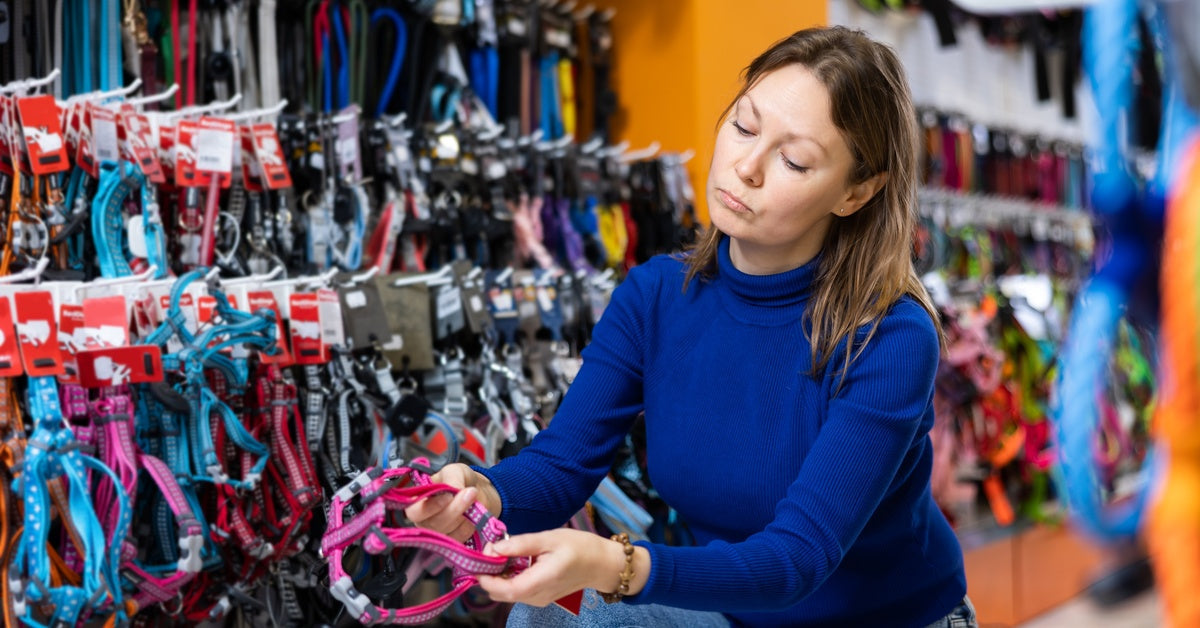
Choosing the right harness for your dog shouldn’t be confusing or stressful. If you’ve ever felt overwhelmed by the sea of harnesses at the pet store, don’t worry. From lightweight mesh to sturdy leather, each material has its purpose.
This is the only guide to dog harness materials you need, which has everything to make walks more comfortable and adventures more enjoyable for both you and your pup. While you’ve probably spent plenty of time picking out the best dog food and safest toys, harness materials slip under the radar. Here’s everything you need to know to pick the perfect harness for your dog’s lifestyle.
Why the Right Material Makes All the Difference
You might think a harness is just a harness, but the material dictates the entire experience. The fabric determines how the harness sits on your dog, how well it holds up to mud and rain, and whether it will cause irritation after a long hike.
Comfort stands as the top priority for many dog owners. A stiff material might offer control, but it can rub raw spots under your dog’s armpits. On the other hand, a material that is too soft might stretch out and fail easily, especially for a strong puller. Finding the balance between durability and comfort lets your dog stay happy and secure.
Common Synthetic Options: Nylon and Polyester
When you look at the average harness, you are likely seeing nylon. It dominates the market for good reason. Nylon offers a fantastic strength-to-weight ratio, making it durable enough for large breeds without weighing down smaller pups. It resists water reasonably well and cleans up easily after a muddy run at the park.
Polyester acts as nylon’s close cousin. While it feels similar, polyester holds color better and resists UV damage more effectively. If you live in a sunny climate and want a bright red harness to stay bright red, polyester serves you well. Both options provide reliable, everyday performance for most dog owners.
Breathable Fabrics for Comfort and Climate

For dogs living in hot climates or brachycephalic breeds (like Pugs and Frenchies) that overheat easily, airflow is a must. Mesh materials with thousands of tiny holes that allow air to circulate directly against the skin are best.
Mesh is incredibly lightweight and soft, which reduces the risk of chafing. However, you generally sacrifice some durability. A dedicated chewer can get through a mesh harness much faster than a heavy-duty strap. Neoprene, the same material used in wetsuits, offers another comfort-focused alternative. It provides thick padding and excellent water resistance, making it perfect for dogs with sensitive skin or those who love to swim.
Heavy-Duty Materials
If you appreciate a classic look and unmatched longevity, leather remains a top contender. A high-quality leather harness conforms to your dog's body, becoming more comfortable with age. It is incredibly strong and durable, though it does require regular conditioning to prevent cracking.
For the ultimate in durability and ease of cleaning, many owners turn to Biothane. This coated webbing looks and feels like leather but is completely waterproof and stink-proof. You can drag it through a swamp, wipe it with a damp cloth, and it looks brand new.
Analyzing the Pros and Cons
Choosing the right material comes down to weighing the benefits against potential downsides. Here is a quick breakdown of how these materials stack up against each other:
- Nylon/Polyester: Affordable and strong, but can absorb odors and take time to dry.
- Mesh: Excellent breathability and comfort, but less durable and harder to control large, strong pullers.
- Leather: Stylish and molds to the body, but expensive and not ideal for swimming.
- Neoprene: Soft padding and water-resistant, but can be bulky and warm in extreme heat.
- Biothane: Waterproof and easy to clean, but can be stiffer than nylon and more expensive.
- Cotton: Natural and hypoallergenic, but lacks durability and stains easily.
Key Features That Enhance Material Performance

The best harnesses combine quality materials with smart design features. You should look for padding in high-friction areas, specifically the chest and behind the front legs. Even a soft nylon strap can cause friction burns if your dog pulls hard enough.
Reflective strips woven into the material are for safety reasons. Whether you walk early in the morning or late at night, visibility matters. Many modern harnesses integrate reflective threads directly into the nylon webbing rather than just sewing a patch on top. This offers a safety feature that lasts as long as the harness itself.
Addressing Allergies and Skin Sensitivities
Some dogs have sensitive skin that reacts poorly to synthetic dyes or rough textures. If you notice your dog scratching at their harness or losing hair in specific spots, the material might be the culprit.
For these sensitive pups, natural materials like cotton or high-quality leather often solve the problem. Alternatively, fleece-lined harnesses create a barrier between the rougher structural straps and the dog's skin. Always check the edges of the harness, since a soft material with a sharp, melted nylon edge will cause irritation.
Maintenance and Longevity
The lifespan of your harness depends entirely on how you care for the material. Nylon and polyester can usually handle a spin in the washing machine (placed inside a garment bag to protect the hardware), and then just air dry them to prevent shrinking or warping.
Leather requires more hands-on care. You must clean it with saddle soap and condition it regularly to keep it supple. If you neglect leather, it will dry out and eventually snap. But biothane is the easiest to maintain, since it only requires a simple rinse in the sink to remove dirt and debris.
Matching Material to Your Dog’s Lifestyle
Your lifestyle dictates your material choice. If you and your dog are avid hikers who cross streams and tackle rough terrain, you need water-resistant, durable materials like Biothane or reinforced nylon. A mesh harness might snag on branches, and leather isn’t water resistant.
Conversely, if your walks consist of leisurely strolls around the neighborhood, comfort takes precedence. A soft mesh or padded neoprene harness provides a gentle experience. For the fashion-forward city dog, a sleek leather harness offers style without sacrificing function.
Upgrade Your Adventure Game
Selecting the right harness material keeps your dog safe, comfortable, and ready for whatever the day brings. Whether you need rugged durability for mountain trails or soft breathability for summer walks, the perfect option exists. Don’t settle for cheap gear that chafes or breaks when you need it most, use the only guide to dog harness materials you need to make the smartest choice for your pup.
Gear up properly with WOLFpak, which offers high-quality tactical dog gear designed to match your active lifestyle. Check out their full collection of dog harnesses, along with their signature backpacks and meal prep bags, to fully equip yourself and your canine companion for your next expedition.
もっと見る
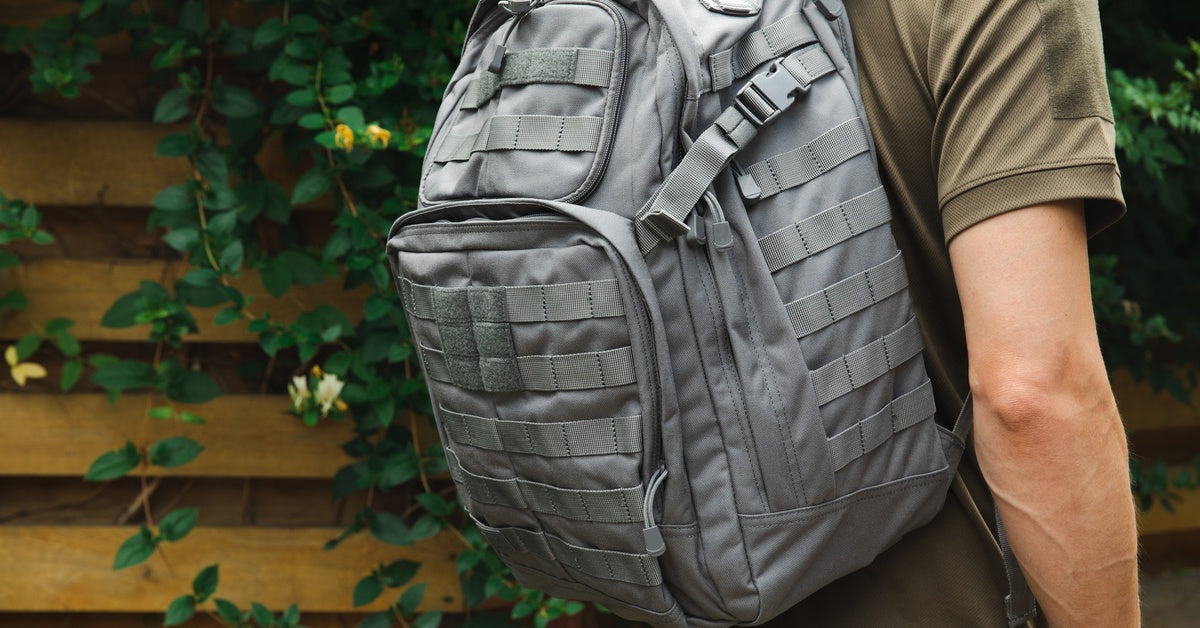
Understand the differences between backpacks and rucksacks, from design to functionality, and find the perfect pack to match your lifestyle and needs.

Selecting the right gym bag is necessary for you to focus on your fitness routine. Find out which features matter most for durability and organization today.
コメントを書く
このサイトはhCaptchaによって保護されており、hCaptchaプライバシーポリシーおよび利用規約が適用されます。