







10 Mistakes When Packing Small Tactical Backpacks
Packing a compact backpack requires a different approach than packing a larger bag because every compartment area affects the setup. Small capacity packs can carry a practical amount of gear, yet poor packing habits quickly reduce usable space and make daily access more difficult.
Identify mistakes when packing small tactical backpacks by knowing common habits that limit efficiency and create avoidable challenges. While a compact pack offers less room for error, a thoughtful packing strategy can make daily routines more manageable. Understanding these mistakes allows users to get more from every inch of available space.
Overloading Limited Capacity
Many people assume that if an item fits inside the backpack, it belongs there, but that mindset quickly creates a crowded setup. Filling every available compartment makes the bag harder to use when schedules shift throughout the day. Once storage reaches its limit, retrieving one item usually requires moving several others first.
A compact backpack performs best when it retains some open space for quick adjustments or unexpected additions. Leaving room for daily changes creates a more functional setup than packing the bag to maximum capacity. That extra space can make the difference between a bag that feels controlled and one that feels constantly overstuffed.
Ignoring Built-In Compartments
Small tactical packs include multiple storage zones for different types of gear, yet buyers waste these features when they pack everything into the main compartment. Smaller accessories tend to migrate beneath larger gear when every item enters the same storage area, which increases retrieval time and creates unnecessary clutter.
Using dedicated compartments for specific categories creates a predictable system that saves time and retains organization. Rather than searching through a single crowded section, users can locate gear more efficiently because each item has a designated location. This approach keeps the backpack easier to navigate when items need to move in and out quickly.
Packing Heavy Items Too Far From the Body

Weight placement becomes more noticeable in compact bags because there is less room for adjustment once the pack is filled. Placing heavier items near the front of the backpack pulls the load away from the body, which creates unnecessary strain and makes the bag feel less stable during movement.
Keeping denser items closer to the back panel allows the backpack to move more naturally with the wearer. This placement improves comfort while creating a more balanced carrying experience throughout the day.
Burying Frequently Used Items
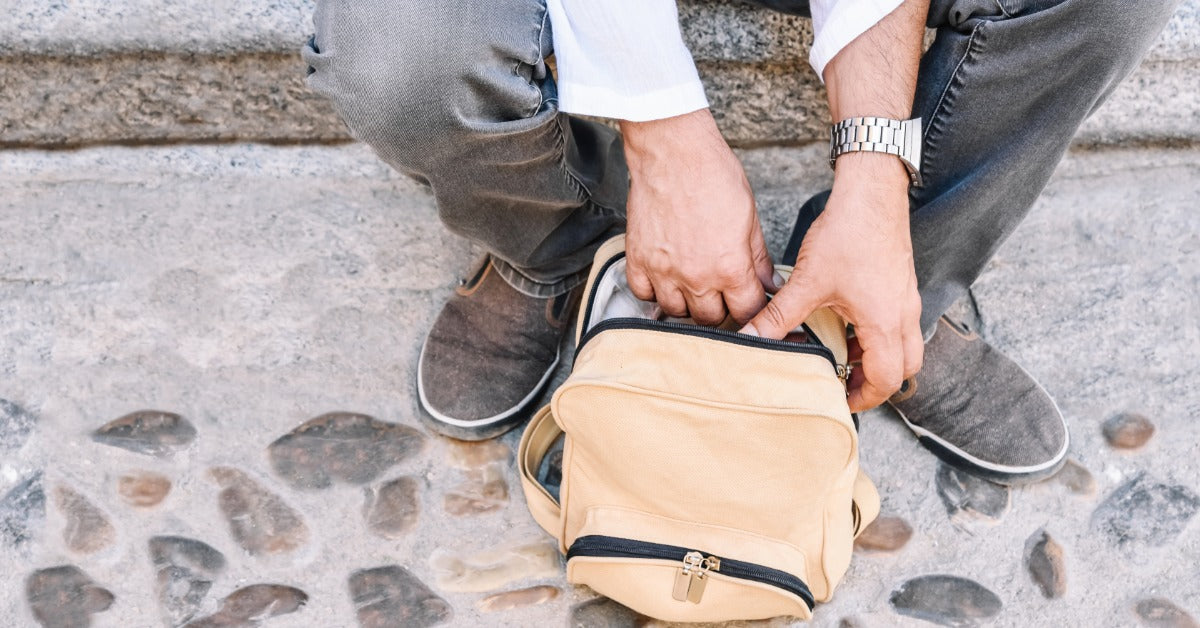
Few packing mistakes create more daily frustration than placing essential items beneath layers of gear. Keys, wallets, and charging cables should remain accessible without requiring a complete unpacking session. When these items sit too deep in the bag, every stop or transition takes longer than necessary.
Quick-access pockets exist for a reason, and using them strategically improves efficiency during busy routines. Commonly used items should sit in predictable locations, while less urgent gear can occupy deeper compartments.
Wasting Space With Bulky Containers
Oversized organizers, hard cases, and unnecessarily large pouches consume valuable storage capacity inside a compact backpack. While these accessories may offer protection, they can reduce the amount of usable space available for other essentials.
Selecting appropriately sized storage accessories creates a cleaner packing system that maintains protection without sacrificing efficiency. Some users purchase pouches before evaluating how much room their items actually need, which can lead to wasted space. Choosing containers that match the size of the gear creates a more streamlined setup.
Failing to Group Similar Items Together
Scattering related items throughout multiple compartments creates confusion and slows down retrieval. A compact pack benefits from clear categories because there is less room to search.
Grouping similar items together simplifies daily use and creates a more intuitive layout. As routines change, organized categories adjust easier because related items already have a logical place.
Leaving Empty Space Between Items

While overpacking creates problems, too much unused interior space can create issues as well. Large gaps allow contents to shift during movement, which changes weight distribution and disrupts the organization system. The bag may feel balanced when packed but uneven once the wearer starts moving.
Filling space intentionally with appropriately sized items creates a more secure load without overcrowding the backpack. Soft items, slim pouches, or flat accessories can reduce movement while keeping the interior layout controlled. The goal is not to fill every corner, but to limit loose movement that makes the pack feel unstable.
Carrying Items You Rarely Use
Many people treat their backpack like permanent storage, carrying items they rarely need simply because there is room available. These extra items consume valuable space and add unnecessary weight that provides little practical benefit. A compact bag should reflect the current routine.
Reviewing backpack contents regularly keeps the load aligned with actual daily requirements. Seasonal changes, shifting work responsibilities, and evolving fitness goals can all affect what belongs in the bag. Removing low-priority items creates room for essentials while making the backpack easier to organize and carry.
Neglecting Weight Balance Between Compartments
Even when the load seems reasonable, uneven distribution between compartments can create discomfort. Loading one side much heavier than the other changes how the backpack sits against the body and may cause the wearer to compensate through posture adjustments. That imbalance becomes more noticeable during longer periods of use.
Balancing weight across the pack creates a more stable carry experience and reduces unnecessary strain. Small adjustments, such as moving heavier gear closer to the center or splitting dense items between compartments, can dramatically improve how the backpack feels.
Not Reassessing Your Packing System
A packing strategy that worked months ago may no longer match current routines. As daily activities change, you should adapt your backpack to those changes. Continuing to pack the same way can create clutter even when the gear itself still fits.
Periodic evaluations reveal opportunities to reorganize storage based on current priorities. Small changes can create meaningful improvements without requiring a complete overhaul. Moving a frequently used item to a more accessible location may improve both organization and carrying comfort.
Build a More Efficient Packing Strategy
A compact backpack handles far more than people expect, but success depends entirely on how you organize the available space. Rather than treating a backpack as permanent storage, it makes more sense to build a system around the items that support current routines and avoiding these mistakes when packing small tactical backpacks.
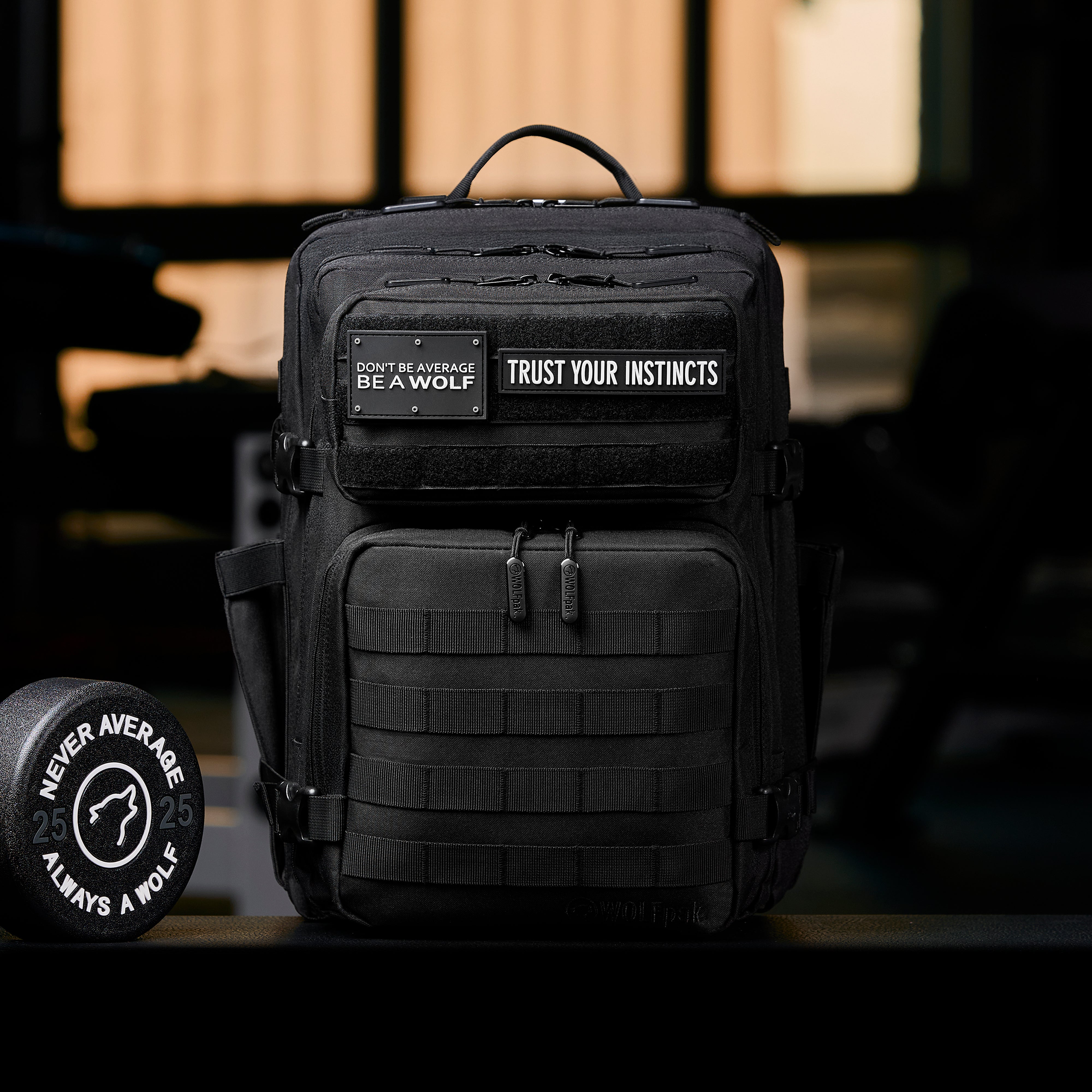
Many packing frustrations stem from habits that develop gradually and go unnoticed until the backpack becomes difficult to use. Making a few strategic adjustments creates a setup that feels more intuitive from day to day. If you're searching for a durable small tactical backpack designed with organized storage and everyday functionality in mind, explore WOLFpak's collection of 25L backpacks to find an option that supports a more efficient and adaptable carry system.
もっと見る

A woman with long hair is picking up dog waste during a walk in a park, and her dog is wearing an orange harness.

Explore the different types of gym backpacks and discover which style fits your routine, gear, travel needs, and everyday training goals best.
コメントを書く
このサイトはhCaptchaによって保護されており、hCaptchaプライバシーポリシーおよび利用規約が適用されます。