






An Expert Guide to Choosing the Right Hiking Backpack
Selecting the right hiking backpack can dramatically shape your outdoor experience. Whether you're heading out for a short day hike or planning a multi-day trek, your pack serves as both a tool and a companion. The wrong choice can lead to discomfort and even injury, while the right one enhances mobility, organization, and endurance. Understanding what to look for allows you to make an informed decision that aligns with your goals and environment.
Understanding Your Hiking Needs
Before diving into features and specifications, it's important to assess how you plan to use your backpack. A day hiker requires something vastly different from a long-distance backpacker. The duration of your hike, the climate, and the terrain all play a role in determining the type of pack that will suit you best.
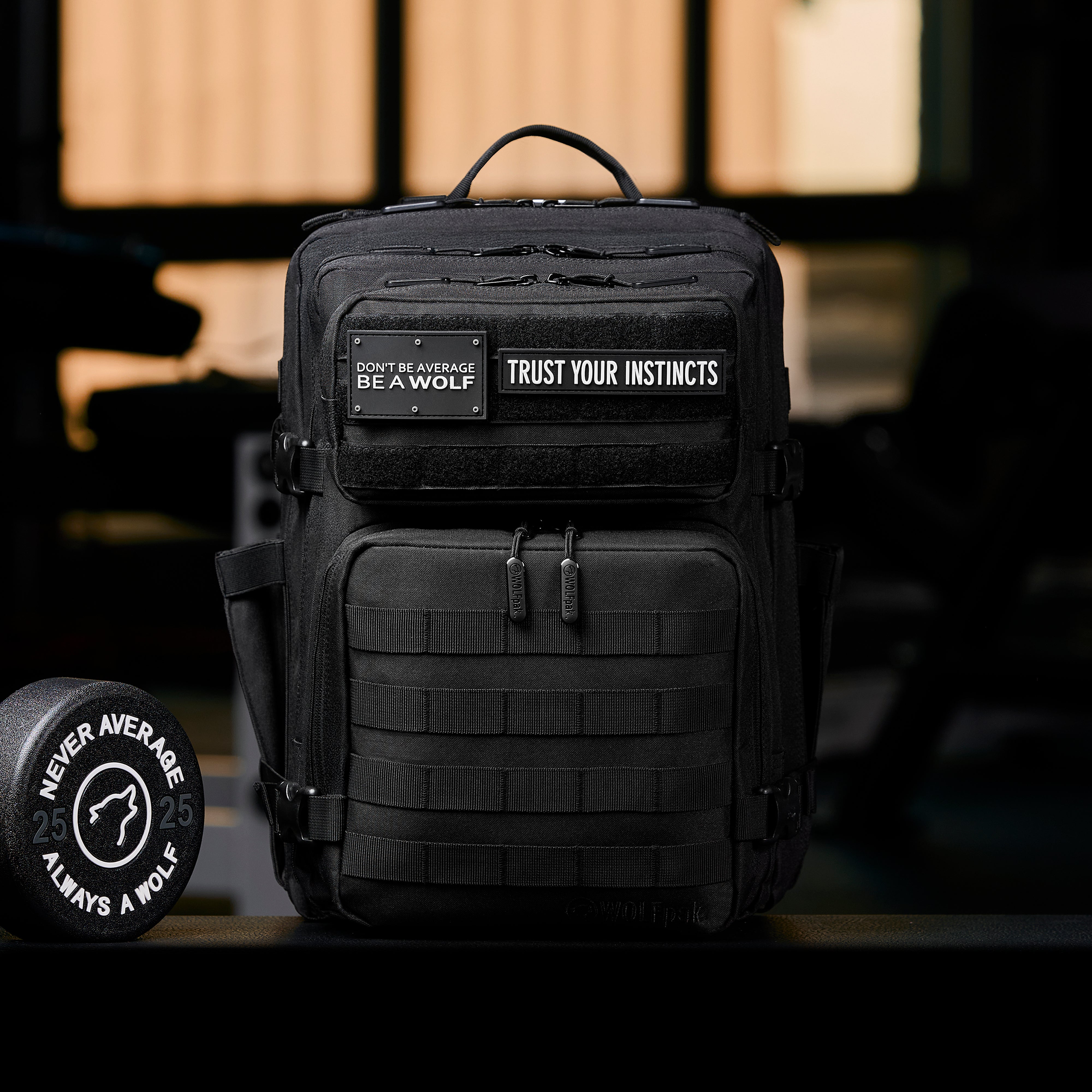
For short hikes, a mini tactical backpack with enough space for water, snacks, and a light layer will suffice. Longer excursions demand more capacity, often including room for food supplies, cooking gear, and extra clothing. Climbers and alpine hikers may prioritize technical features such as gear loops and ice axe attachments, while casual hikers may focus more on comfort and ease of use.
Your hiking style also matters. Some hikers prefer ultralight setups to maximize speed and efficiency, while others prioritize comfort and preparedness, carrying more gear for safety and convenience.

Choosing the Right Capacity
Backpack capacity is typically measured in liters and is one of the most important factors in your decision. The right size depends on how long you'll be hiking and how much gear you need to carry.
Daypacks usually range from 15 to 30 liters and are ideal for short outings. Overnight packs typically fall between 30 and 50 liters, providing enough room for essentials without becoming overly bulky. Multi-day backpacks can range from 50 to 80 liters or more, accommodating tents, sleeping bags, and extended food supplies.
It is easy to assume that bigger is better, but an oversized pack can encourage overpacking and unnecessary weight. Conversely, a pack that is too small can leave you struggling to fit essential items. Finding the right balance ensures efficiency and comfort on the trail.
The Importance of Proper Fit
Fit is arguably the most critical aspect of choosing a hiking backpack. Even the most well-designed pack will cause discomfort if it does not fit your body correctly. A properly fitted backpack distributes weight evenly across your hips and shoulders, reducing strain and improving stability.
Torso length is the key measurement when determining fit. Many backpacks come in different sizes or offer adjustable harness systems to accommodate a range of body types. Hip belts should sit comfortably on your hips, carrying the majority of the load, while shoulder straps should contour naturally without digging in.
Trying on a backpack with weight inside is the best way to assess fit. Walk around, adjust the straps, and pay attention to pressure points. A well-fitted pack should feel secure without restricting movement.
Frame Types and Support
The frame of a backpack plays a major role in how weight is carried. Internal frame backpacks are the most common and are designed to keep the load close to your body, improving balance and agility. They are ideal for most hiking scenarios and work well on uneven terrain.
External frame packs, while less common today, offer excellent ventilation and are capable of carrying heavy loads. They are often used for specialized purposes or by those who prefer a more traditional setup.
Frameless packs cater to ultralight hikers who prioritize minimal weight. While they offer flexibility and simplicity, they require careful packing and are best suited for experienced hikers with streamlined gear.
Choosing the right frame depends on your load, experience level, and the type of terrain you plan to tackle.
Material and Durability
Backpacks are subjected to a variety of environmental conditions, from abrasive rocks to unpredictable weather. The materials used in construction determine how well your pack will hold up over time.
Most hiking backpacks are made from nylon or polyester, often with reinforced stitching and water-resistant coatings. Higher denier fabrics tend to be more durable but can add weight. Lightweight materials are appealing for long hikes but may sacrifice some durability.
Consider where and how often you’ll be using your pack. Frequent hikers or those venturing into rugged terrain should prioritize durability, while occasional hikers may lean toward lighter, more affordable options.
Storage and Organization
A well-designed backpack offers intuitive storage that makes it easy to access your gear without unpacking everything. Compartments, pockets, and attachment points all contribute to a more organized experience.
Top-loading packs are simple and efficient, while panel-loading designs provide easier access to contents. External pockets are useful for items like water bottles, maps, and snacks, allowing you to keep essentials within reach.
Hydration compatibility is another important feature. Many backpacks include sleeves for hydration reservoirs, along with ports for drinking tubes. This can be more convenient than carrying traditional water bottles, especially on longer hikes.
While organization is important, too many compartments can add unnecessary weight and complexity. Look for a layout that complements your packing style.

Comfort Features That Matter
Comfort goes beyond fit and extends to the details that make long hikes more enjoyable. Ventilated back panels help reduce sweating and improve airflow, which can be especially valuable in warm climates. Padded straps and hip belts provide cushioning, reducing pressure during extended use.
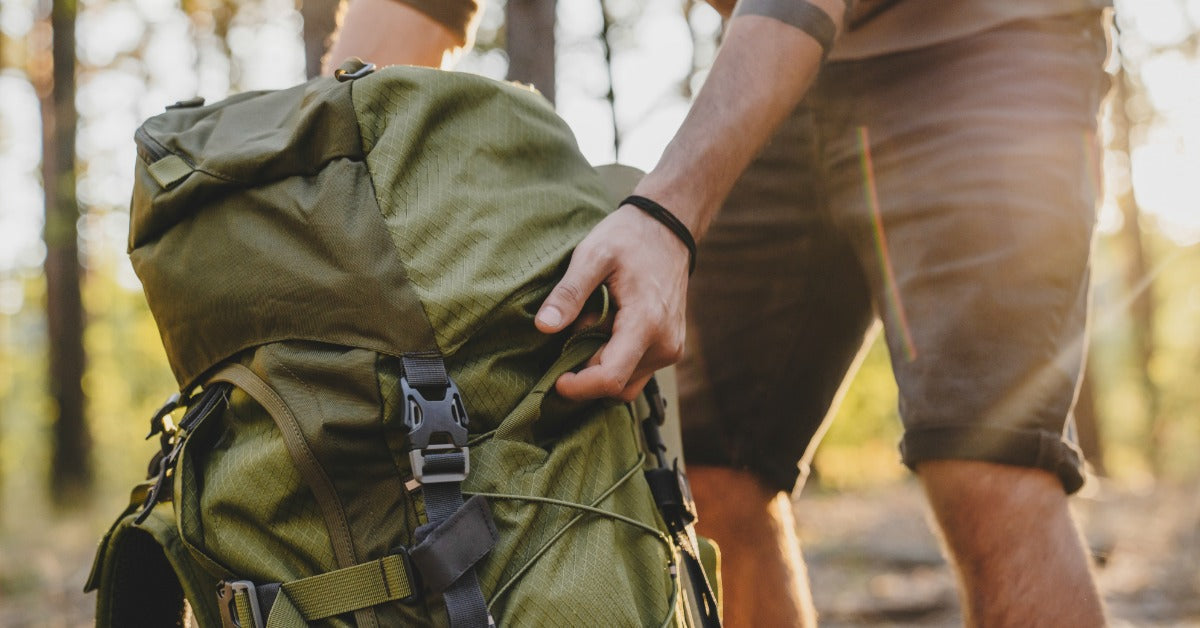
Load lifters and compression straps help stabilize the pack, keeping weight close to your body and preventing shifting as you move. Sternum straps add another layer of support, enhancing balance on uneven terrain.
Even small features, such as soft lining on straps or easy-to-adjust buckles, can make a noticeable difference over time. When evaluating a backpack, consider how these elements contribute to overall comfort.
Weight Considerations
Every ounce matters when you are carrying your gear over long distances. Lightweight backpacks have become increasingly popular, offering streamlined designs that reduce fatigue.
However, lighter packs often come with trade-offs in durability and features. It is important to find a balance between weight and functionality. A slightly heavier pack with better support and organization may ultimately feel more comfortable than an ultralight option that lacks structure.
Your packing habits also influence how much weight you carry. Choosing lightweight gear and avoiding unnecessary items can significantly reduce your load, regardless of the backpack you select.
Making the Right Choice
Take the time to evaluate your needs, try on different options, and pay attention to how each backpack feels when loaded. The right pack should feel like an extension of your body, supporting you as you move through the outdoors.
By consulting an expert guide to choosing the right hiking backpack, you’ll find something that becomes more than just a storage solution; it becomes a reliable partner that allows you to focus on the journey ahead, whether you're exploring local trails or venturing into remote wilderness.
En lire plus

Harness fit affects comfort, control, and safety during daily walks. Understanding harness styles and sizing helps create a better walking routine for dogs.
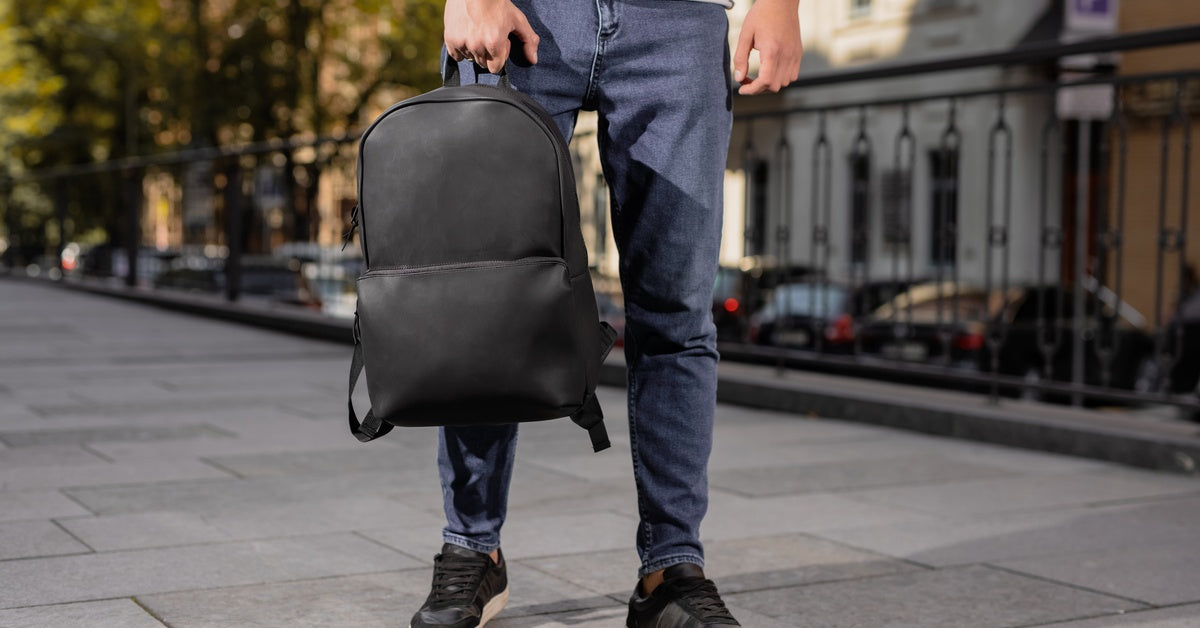
Choosing between daypacks and backpacks isn’t always straightforward. Subtle design differences can impact comfort, storage, and how you carry essentials daily.
Laisser un commentaire
Ce site est protégé par hCaptcha, et la Politique de confidentialité et les Conditions de service de hCaptcha s’appliquent.