







9 Ways To Extend the Lifespan of Your Backpack
Your backpack holds your gym gear, your daily essentials, your meal prep, and everything you need to conquer the day. For those in demanding fields, such as firefighting or the military, a reliable backpack is a necessary part of the uniform. It’s a piece of mission-critical equipment that should perform under pressure every time.
A high-quality backpack is an investment in readiness and efficiency. Like any good tool, it requires proper care to maintain its peak performance. Protecting that investment means you get more value, more reliability, and more years of service. Use these nine ways to extend the lifespan of your backpack and keep it for the long haul.
Start With a Strong Foundation: Routine Maintenance
Consistent care is the most effective way to prevent wear and tear. Small habits can preserve the fabric, zippers, and overall structure of your pack.
1. Keep It Clean
Dirt, sweat, and grime make your backpack look terrible and will break down fabric fibers and clog zippers. Regular cleaning is your first line of defense. Avoid tossing your backpack in the washing machine, as the agitation can damage straps, hardware, and waterproof coatings.
Instead, spot clean or handwash the backpack. Use a soft brush, mild soap (like a gentle dish soap), and lukewarm water to scrub away dirt. Pay special attention to high-contact areas, like the shoulder straps and back panel. Once clean, rinse it thoroughly and hang it to air dry completely, away from direct sunlight, which will degrade the material after repeated exposure.
2. Zipper and Buckle Care
When you heavily use a backpack, typically the first part that needs repair is the zippers. You can keep them zipping smoothly by cleaning out any trapped dirt or sand with a small brush. If a zipper feels stiff, you can apply a zipper lubricant or even just run a graphite pencil along the teeth. This simple step prevents snags and forceful pulling that can lead to broken pulls or separated teeth.
For buckles, a quick wipe-down to clean them can make sure they click securely every time.
3. Waterproofing and Protection

Even the toughest materials benefit from an extra layer of defense. Re-applying a durable water repellent (DWR) spray once or twice a year can keep your pack from absorbing moisture. This is especially important if you frequently find yourself in rainy or humid environments.
Consider adding a dedicated rain cover to protect your backpack and its contents during heavy downpours.
Tactical Repairs: Fix It Before It Fails
In high-stakes environments, you can't afford equipment failure. Addressing small issues as soon as they appear prevents them from becoming major problems that could sideline your backpack or your day.
4. Patching Tears and Holes
If you expose your pack to rough surfaces or sharp objects, small rips and punctures happen. For small holes in nylon or canvas, a durable gear repair tape is a quick and effective field-expedient fix.
For a more permanent solution, use a fabric patch and a heavy-duty needle and thread. Place the patch on the inside of the pack to preserve its external look while providing a strong repair.
5. Reinforcing High-Stress Areas
Every pack has areas that carry the most weight and friction, such as the bottom, the strap connection points, and the haul loop. If you notice fabric thinning in these areas, get ahead of the issue by reinforcing them. Sewing an extra layer of durable fabric, like Cordura or even leather, over these spots can extend the pack's operational life. This is a common practice in the military, where soldiers modify gear for enhanced durability.
6. Replacing Worn Hardware
People often step on buckles, and strap adjusters can lose their grip with repeated use. Thankfully, most of this hardware is easy to replace. You can find replacement buckles and slides online or at outdoor gear stores. Learning how to do simple repairs yourself can save time and money.
Beyond the Mission: Repurpose and Adapt

Eventually, a backpack may be too worn for primary duty, but that doesn't mean its service is over. A tactical mindset is all about adaptation, and the same principle applies to your gear.
7. Transition to a Specialized Role
An old primary backpack can find a new purpose as a dedicated bag for a specific activity.
- Gym Bag: Its compartments are perfect for separating shoes, clothes, and supplements.
- Go-Bag/Bug-Out Bag: Its best days on the front lines might be over, but you can still use an old bag for building an emergency preparedness kit for your vehicle or home. Load it with first aid, water, tools, and non-perishable food.
- Range Bag: Repurpose it to carry ammo, hearing protection, and cleaning kits. The rugged construction is well-suited for the task.
8. Creative Upcycling for a New Life
If your pack is truly beyond repair as a whole unit, you can salvage its components. You can upcycle the durable fabric and webbing into new, useful items.
- Tool Rolls: Cut large fabric panels and sew in pockets to create custom tool rolls for your garage or vehicle.
- Small Pouches: Use smaller sections and zippers to create dopp kits or administrative pouches for organizing small items.
- Pet Gear: Repurpose the tough material into a durable dog bed or a travel bag for pet supplies.
9. Donate or Pass It On
If the pack is still functional but you’ve upgraded, consider donating it. Homeless shelters, youth programs, and disaster relief organizations need sturdy backpacks. Passing on your still-useful gear gives it a second life and helps someone else.
Keep Your Pack in the Fight
Your backpack is an important part of your everyday gear. By using these nine ways to extend the lifespan of your backpack, you ensure it remains a reliable tool for years.
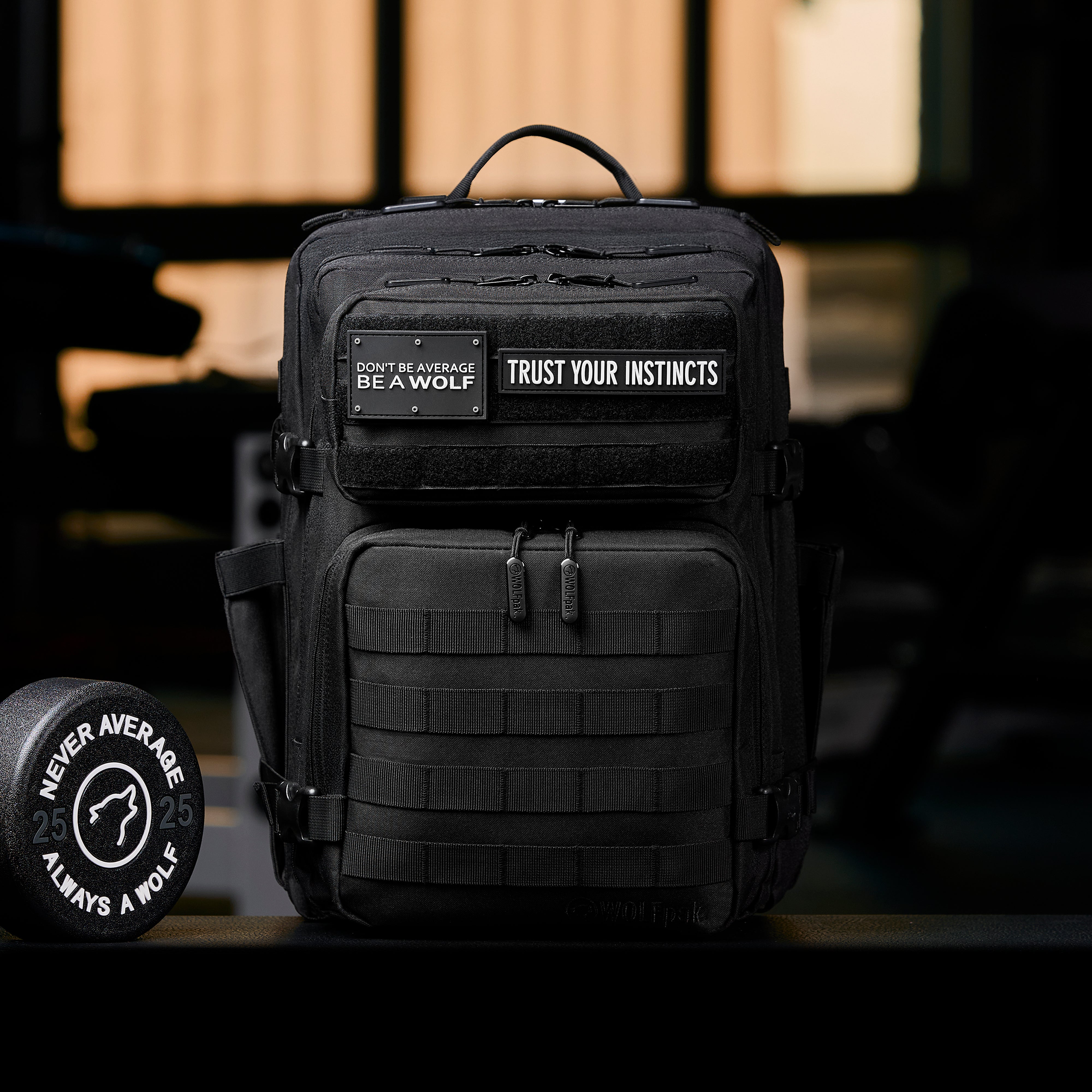
When you demand the most from your equipment, you need a pack built to withstand the pressure. If your current bag isn’t cutting it or you’re ready to invest in uncompromising durability, explore the WOLFpak collection. We make our tactical 351 backpacks for the toughest missions and the most demanding workouts. Serving you day in and day out!
En lire plus
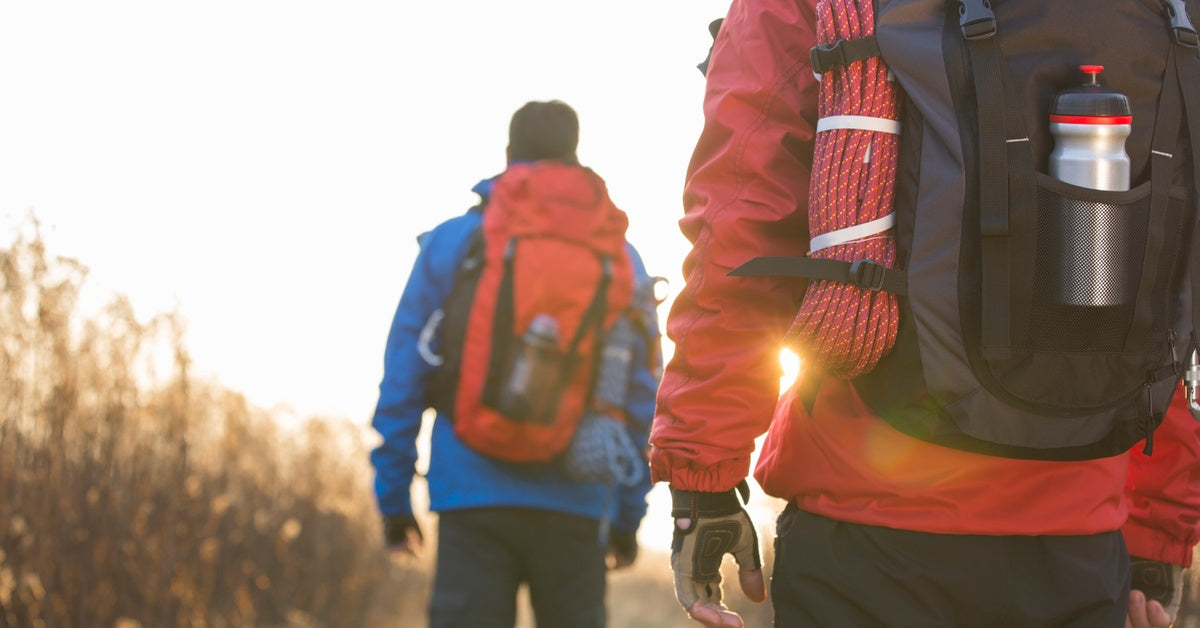
Carry your gear with confidence and comfort. Learn how to wear your backpack correctly to prevent back pain, improve posture, and stay mission-ready.
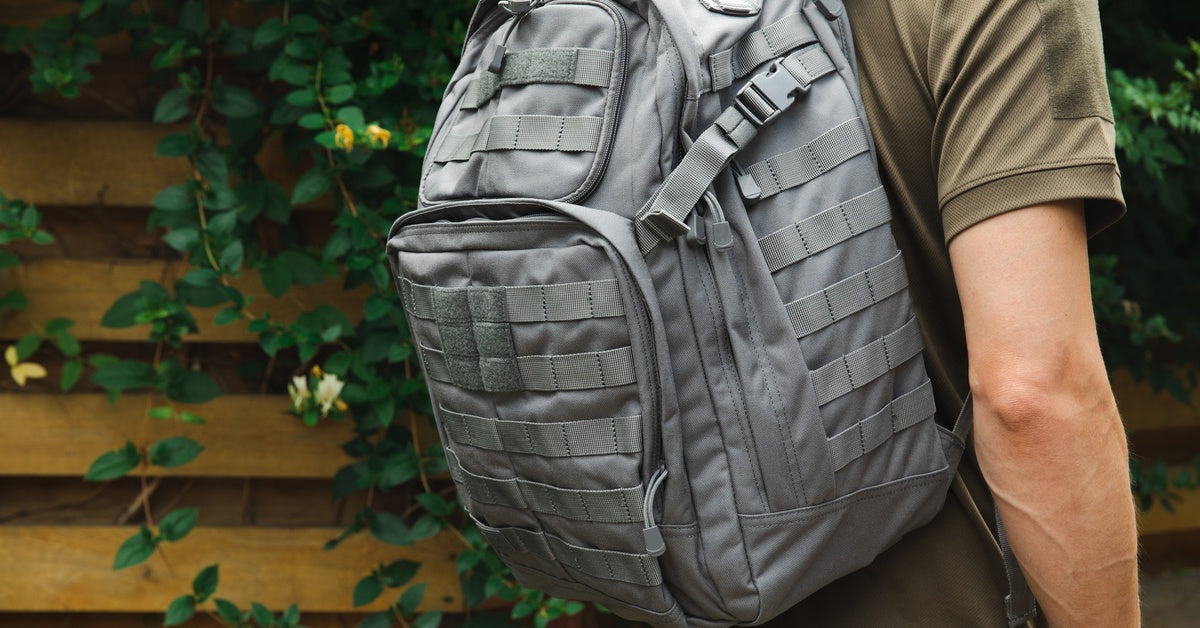
Understand the differences between backpacks and rucksacks, from design to functionality, and find the perfect pack to match your lifestyle and needs.
Laisser un commentaire
Ce site est protégé par hCaptcha, et la Politique de confidentialité et les Conditions de service de hCaptcha s’appliquent.