







How To Choose the Right Harness for Your Dog
Walking a dog may seem simple, yet the equipment used can greatly influence comfort, control, and safety during daily outings. Dogs come in many shapes, sizes, and energy levels, which means the same walking setup will not work for every animal. Selecting appropriate gear helps support healthy movement while making walks more manageable for both dogs and their owners.
The topic of how to choose the right harness for your dog becomes important when dogs pull, slip out of collars, or experience discomfort during walks. A properly fitted harness distributes pressure more evenly across the body than many collars, allowing for better control and improved comfort. Understanding harness design, materials, and fit helps create a walking setup that supports both safety and routine activity.
Why Harness Fit Matters for Dogs
A properly fitted harness supports a dog’s natural movement while providing reliable control during walks. Unlike collars that concentrate pressure around the neck, harnesses distribute force across the chest and shoulders. This design reduces strain on the throat while allowing the dog to move comfortably.
Poor fit, however, can lead to rubbing, restricted movement, or even escape during walks. If a harness is too loose, a dog may slip out during sudden movement. When it is too tight, it may interfere with breathing or limit shoulder mobility. Choosing the correct size and adjusting straps carefully helps maintain both safety and comfort.
Understanding Different Harness Styles
Dog harnesses come in several styles, each designed for different walking needs and training situations. Back-clip harnesses attach the leash on the dog’s back, making them simple and comfortable for casual walks. Owners prefer these designs for calm dogs that already walk well on a leash.
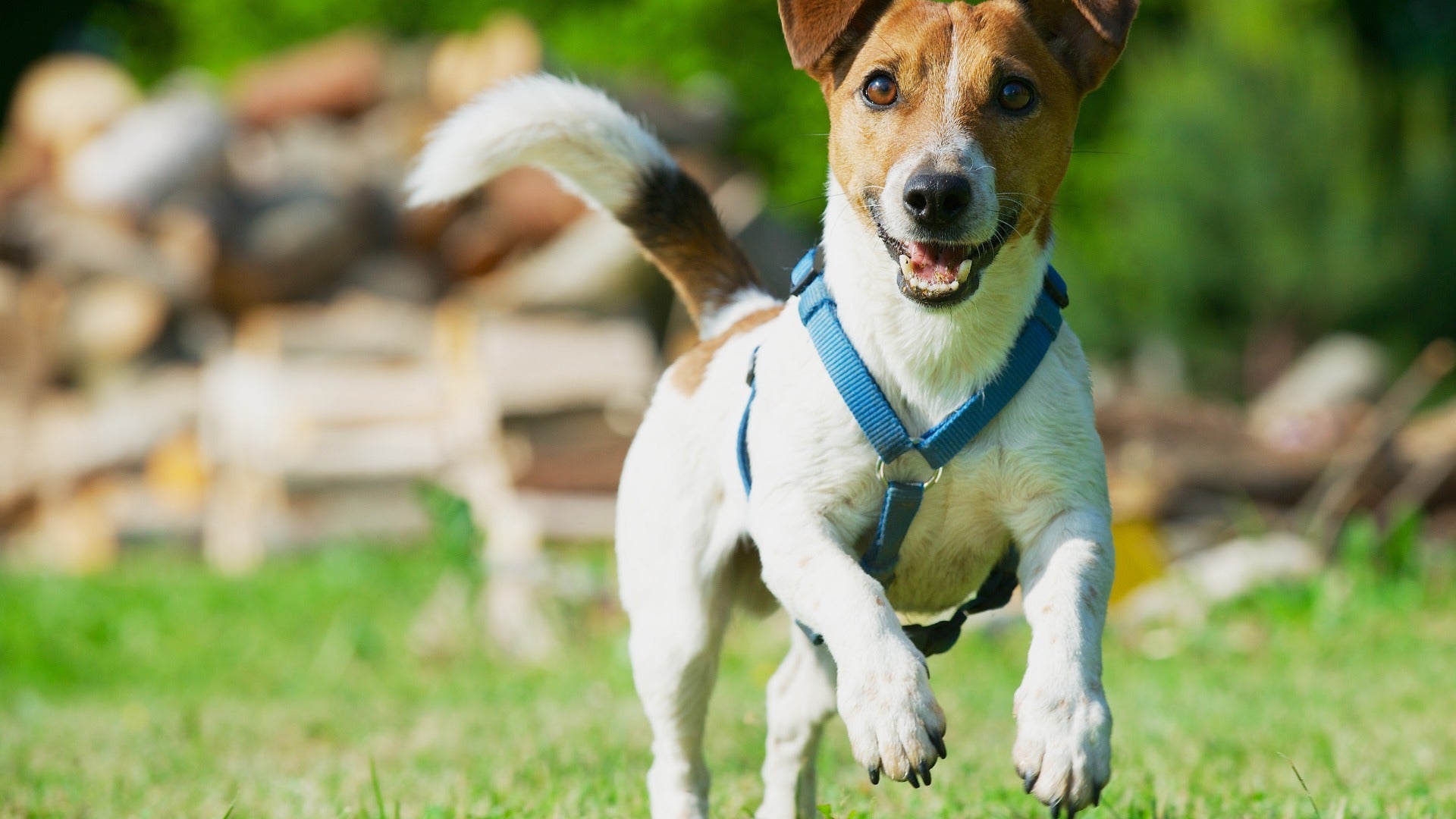
Front-clip harnesses place the leash attachment on the chest, which can help redirect dogs that tend to pull. Vest-style harnesses provide broader coverage around the torso and often include additional padding. Each style offers different benefits depending on the dog’s behavior, size, and daily activity level.
Choosing the Correct Size and Adjustability

Proper sizing is determined by neck and chest measurements. Measuring around the widest part of the dog’s chest to determine which size will provide the best fit.
Adjustable straps allow the harness to conform to the dog’s body shape more precisely. Dogs with deeper chests or thicker coats may require additional adjustment points to prevent slipping or pressure points. A harness should feel secure while still allowing enough space for natural movement.
Materials That Improve Durability and Comfort
Harness materials influence comfort and longevity, and with durable fabrics, such as reinforced nylon or polyester, the harness can withstand repeated pulling, outdoor activity, and daily wear. Add strong stitching and reinforced attachment points, and it also contributes to long-term reliability.
Also, comfort features are equally important. Breathable mesh panels and padded straps can reduce friction against the dog’s skin or fur. When dogs wear harnesses for extended walks or outdoor activities, these materials prevent irritation while maintaining airflow.
When Padding and Reinforced Stitching Matter
Padding becomes especially important for dogs that spend extended time wearing their harness, since long walks, hikes, or active outdoor play can create friction along the chest and shoulder areas if the harness lacks proper cushioning.
Reinforced stitching strengthens the areas that experience the most tension, such as leash attachment points and adjustment straps. When these structural elements are well constructed, the harness remains stable even during sudden movements. Durability helps with both safety and reliability throughout regular use.
Matching Harness Design to Your Dog’s Activity Level
Different dogs require different types of harness support depending on their lifestyle. A small dog that primarily takes short neighborhood walks may only need a lightweight harness with minimal padding. Active dogs that accompany their owners on hikes or long outdoor outings may require stronger materials and more secure construction.
Energy level also influences harness choice. Dogs that frequently pull or change direction quickly benefit from harness styles that offer better control. Selecting equipment that matches the dog’s daily activity helps ensure the harness remains comfortable and effective.
How Leashes and Collars Work With Harness Systems

Harnesses typically work alongside other walking equipment with many dogs still wearing collars for identification tags and quick handling when necessary. The leash then attaches to the harness for primary walking control.
Coordinating dog collars, leashes, and harnesses creates a balanced walking setup. Each piece of equipment serves a specific purpose while working together to improve safety and convenience. This combination allows owners to maintain control while giving the dog freedom to move naturally.
Signs Your Dog’s Current Harness Does Not Fit Properly
Certain behaviors can indicate that a harness is not fitting correctly, like dogs may try to scratch at the straps, resist putting the harness on, or display unusual discomfort during walks. Visible rubbing marks along the chest or under the legs may also suggest poor fit.
Movement restrictions can provide another clue, so if a dog appears stiff, hesitant, or unable to extend its front legs normally, the harness may be too tight or incorrectly positioned. Regularly checking strap adjustments and overall fit helps with these issues.
Training Benefits of Proper Walking Equipment
A well-fitted harness can make leash training more manageable for both dogs and their owners. Distributing pressure across the body allows handlers to guide movement without straining the dog's neck and supports clearer communication during walks.
Training sessions are smoother when the dog feels comfortable and secure. A stable harness maintains control during moments when the dog becomes distracted or excited, but with consistent walking routines you can help improve overall leash behavior.
Build a Comfortable and Reliable Walking Setup
Understanding how to choose the right harness for your dog creates safer and more comfortable walking routines. A harness that fits correctly allows natural movement while giving handlers reliable control during daily outings. Careful consideration of size, adjustability, and materials ensures the equipment supports both comfort and stability.
The right walking setup should match the dog’s activity level, body shape, and behavior during walks. Taking time to evaluate harness design and overall fit prevents discomfort while improving control in different environments. For durable gear designed for active lifestyles, explore the dog equipment options available from WOLFpak to find the setup that supports comfortable and controlled daily walks.
Leer más

Meal prep routines can break down due to simple packing mistakes. Avoid common errors that affect food safety, organization, and daily convenience.
Choose the right hiking backpack with confidence by understanding fit, features, and terrain needs to improve comfort, balance, and outdoor performance.
Dejar un comentario
Este sitio está protegido por hCaptcha y se aplican la Política de privacidad de hCaptcha y los Términos del servicio.