





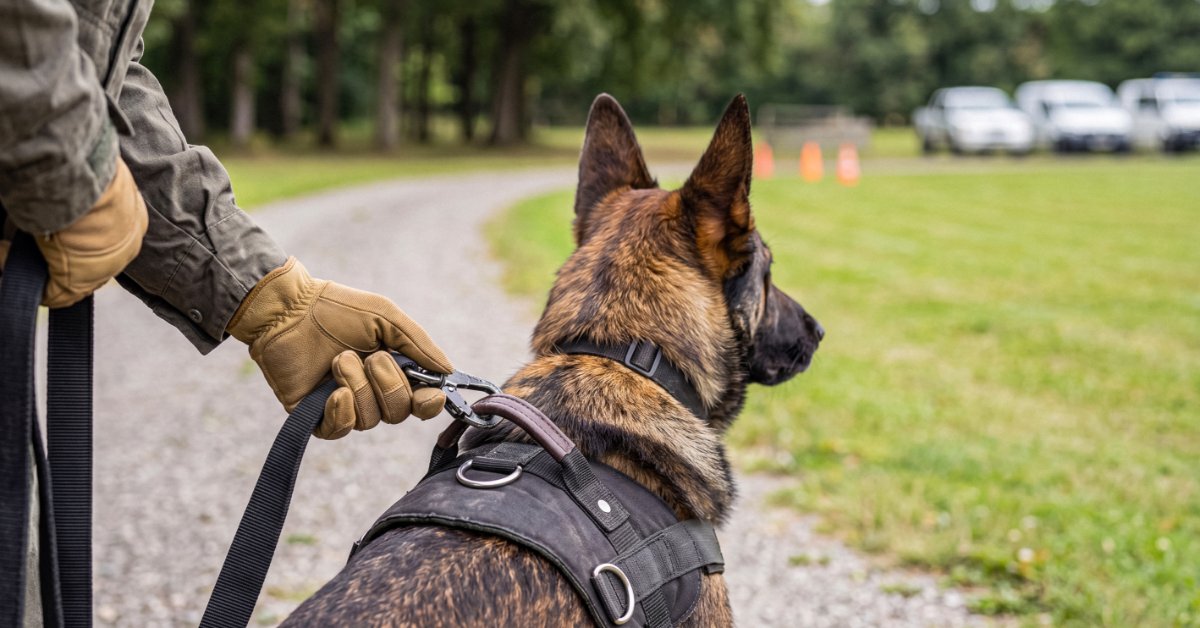
Common Mistakes When Using Tactical Dog Gear
Tactical dog gear introduces a higher level of structure and control than standard collars or harnesses, yet that added capability comes with a need for more deliberate use. Many handlers focus on durability and design when selecting gear, but overlook how fit, adjustment, and handling influence performance once the gear is in use. As a result, even well-built equipment can feel inconsistent when the setup does not match the dog’s movement or the handler’s approach.
Common mistakes when using tactical dog gear deal with patterns that limit performance. The way the gear interacts with the dog’s body, along with how the handler applies it, determines whether the setup works effectively. When those elements align, the gear supports control and consistency instead of creating friction during daily routines.
Choosing the Wrong Size for Your Dog
Choosing the wrong size creates problems because the gear cannot align with the dog’s structure. When the fit runs too loose, the gear shifts during movement and changes how force transfers through contact points. When the fit runs too tight, it restricts movement and introduces pressure that affects how the dog responds.
A correct fit allows the gear to sit in a stable position while maintaining consistent contact with the body. This stability creates more predictable feedback during handling, which becomes especially important in environments with distractions or uneven terrain. Taking accurate measurements before selecting gear reduces the need for constant corrections later.
Ignoring Proper Adjustment Points
Adjustment points exist to fine-tune how the gear sits on the dog, yet many setups rely on only one or two straps instead of balancing the entire system. When adjustments remain uneven, the gear may twist slightly under tension, which shifts pressure into areas that were not designed to carry load.
Balanced adjustment keeps the gear centered and allows it to move with the dog instead of against it. When each strap supports the structure, the handler gains more consistent control because the gear responds the same way under similar conditions. Small adjustments can make a noticeable difference in how stable the setup feels during use.
Using Gear Without Understanding Its Purpose

Tactical gear includes specific design elements that support different handling styles, but those features lose value when users apply them without understanding their purpose. A harness designed for controlled movement behaves differently than one intended for high-intensity activity, and using them interchangeably can create confusion.
Understanding how the gear functions in relation to the dog’s movement allows the handler to apply it more effectively. Understanding the purpose behind the design allows you to adjust the setup to match the situation.
Applying Too Much Tension on the Leash
Leash tension directly affects how pressure moves through the gear, which makes consistency more important than force. Constant tension can create resistance because the dog receives continuous pressure without clear direction, which may lead to slower responses or hesitation.
A controlled approach allows the handler to apply pressure with intention. When tension remains deliberate and measured, the dog receives clearer signals and can respond without compensating for uneven force.
Overlooking the Dog’s Movement Patterns
Every dog has a natural gait that reflects how its body moves under normal conditions. When gear interferes with that movement, the dog may adjust posture or stride in ways that reduce efficiency and create discomfort. These changes are not always obvious during short periods of use.
Watching how the dog moves across different surfaces provides insight into whether the gear supports or disrupts natural motion. A setup that allows consistent movement across environments performs better because it does not require the dog to compensate with each step.
Failing To Check Gear Regularly
Gear that fits properly at the start of a session may not remain in the same position after extended use. Movement, tension, and environmental factors can all affect how straps and connection points hold. Regular checks allow the handler to catch these changes before they affect control. A quick inspection of strap tension and alignment keeps the system consistent and reduces the likelihood of unexpected issues during use.
Using the Same Setup for Every Situation

Different environments place different demands on both the dog and the handler, yet many setups remain unchanged regardless of the situation. A configuration that works during a calm walk may not provide the same level of control during training or more active conditions.
Adjusting the setup based on context allows the gear to perform more effectively. Factors, such as terrain, pace, and distractions, all influence how the system should function, so small changes can improve consistency without requiring new equipment.
Ignoring Signs of Discomfort
Dogs often communicate discomfort through subtle changes in behavior, which can be easy to miss when routines become familiar. Hesitation, shifting posture, or attempts to move away from pressure points can indicate that something in the setup needs attention.
Addressing these signs early prevents the issue from affecting long-term performance. A comfortable dog maintains more consistent movement and responds more clearly to direction, which improves handling without requiring additional force.
Relying Only on Gear for Control
Tactical gear supports control, but it does not replace the need for consistent handling. When the handler depends entirely on the equipment, the system may feel less reliable because the dog has not learned to respond independently of the gear.
Combining structured gear with clear communication creates a more stable approach. The equipment provides support, but the handler’s consistency determines how effectively that support translates into real-world situations.
Choosing Style Over Function
Visual design can influence decisions, especially when gear offers multiple color or style options. However, appearance does not reflect how the gear performs under tension or how well it aligns with the dog’s movement.
Focusing on structure and intended use leads to better long-term results. A functional setup maintains consistency across different environments, which makes it more reliable than one selected primarily for appearance.
Build Better Control With Smarter Use
Using tactical dog gear effectively requires attention to detail and a willingness to adjust based on how the dog responds. When sizing, adjustment, and handling work together, the gear supports movement instead of interfering with it. That alignment creates a more stable and predictable experience during daily use.
Understanding common mistakes when using tactical dog gear allows handlers to refine their approach and create a system that performs consistently. If you are looking for durable and reliable tactical dog collar and leash options, explore WOLFpak’s collection to find gear designed for control, comfort, and everyday performance.
Leer más
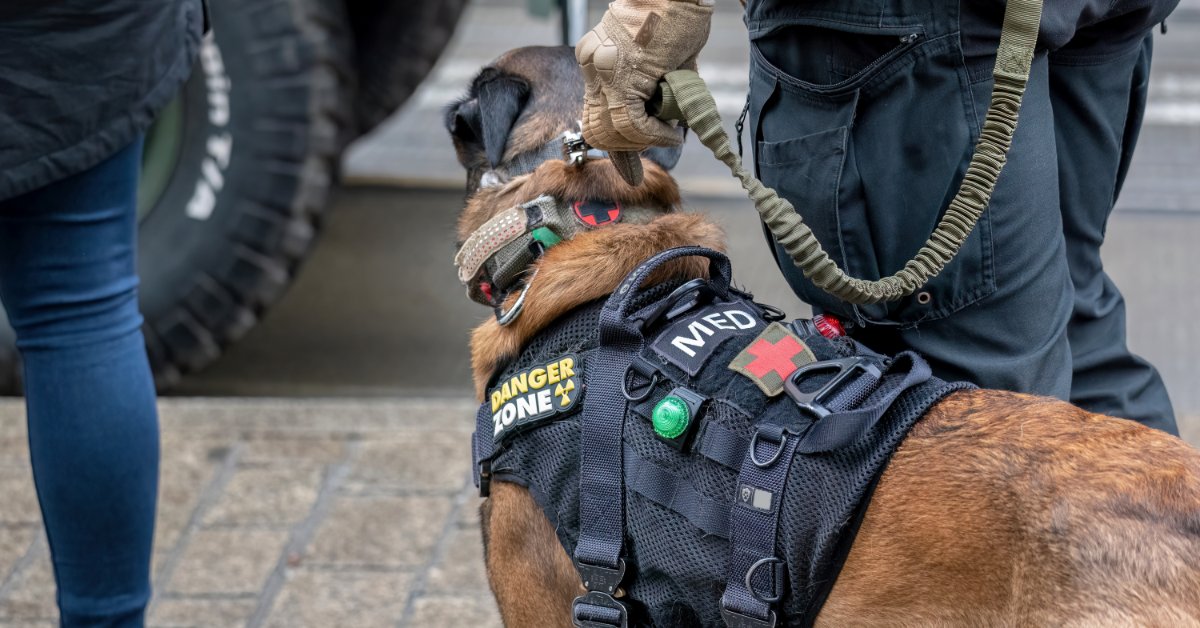
Handling control becomes more consistent when tactical dog collars provide stable feedback that keeps movement aligned and easier to manage.
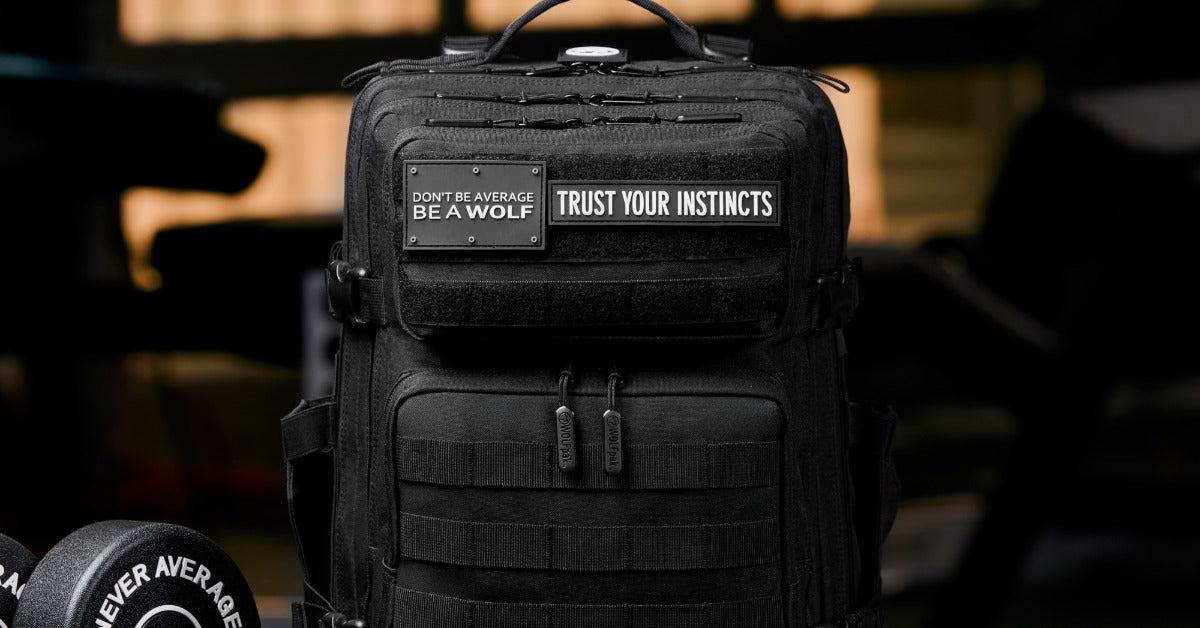
See what separates a practical 25L backpack from one that falls short, including the features worth considering before choosing your next daily carry pack.
Dejar un comentario
Este sitio está protegido por hCaptcha y se aplican la Política de privacidad de hCaptcha y los Términos del servicio.