





Ways To Pack Gear You Need To Reach Quickly
A well-organized backpack makes everyday activities easier, especially when you need to retrieve something without searching through every compartment. Whether you're heading to the gym, commuting, or spending time outdoors, the placement of your belongings determines how easily you can access them. Even familiar items can become difficult to find once other equipment fills the bag.
Finding practical ways to pack gear you need to reach quickly starts with considering how frequently you'll use each item. Good organization doesn't require a complicated system, but a thoughtful arrangement can keep important belongings accessible throughout the day.
Identify Which Items Need Immediate Access
Before arranging anything inside your backpack, consider which belongings you'll need throughout the day. Your phone, keys, wallet, and access cards may require frequent retrieval, while spare clothing or equipment might remain untouched until you reach your destination. Separating these categories helps you avoid burying essentials beneath belongings that serve a different purpose.
Frequency shouldn't determine placement entirely, because certain items deserve convenient access even when you rarely use them. A compact first-aid kit, for example, may need a predictable location during outdoor activities. Consider both everyday convenience and situations that might require quick retrieval.
Organize Your Backpack Around Your Daily Routine
The order in which you use your belongings offers a practical starting point for deciding where everything belongs. Someone heading directly from work to the gym might need their work essentials first, followed by training accessories after arriving at the fitness center. Packing according to that sequence reduces unnecessary rearranging throughout the day.
Your routine can also reveal which compartments deserve permanent assignments. If you consistently reach for the same items during your commute, keeping them in familiar locations creates a predictable retrieval habit.
When your schedule includes several stops, consider what you'll need at each destination before leaving home. Arranging your belongings around those transitions can help you move between activities without repeatedly unpacking equipment that you'll need later.
Keep Frequently Used Essentials Near the Top

The upper portion of your backpack generally provides convenient access because you can reach it without removing everything underneath. Small essentials, such as headphones, a notebook, or a compact toiletry pouch, can occupy this area when you expect to use them regularly.
Avoid filling the top section so tightly that you must remove several objects to retrieve one. Leave enough space to reach inside comfortably and consider whether belongings could shift or fall out when you unzip the bag.
Use Smaller Compartments for Loose Accessories
Small accessories can disappear among larger belongings when they lack designated storage locations. Charging cables, pens, and locker keys become easier to retrieve when you assign them to appropriately sized pockets. This arrangement also prevents loose items from collecting at the bottom of the main compartment.
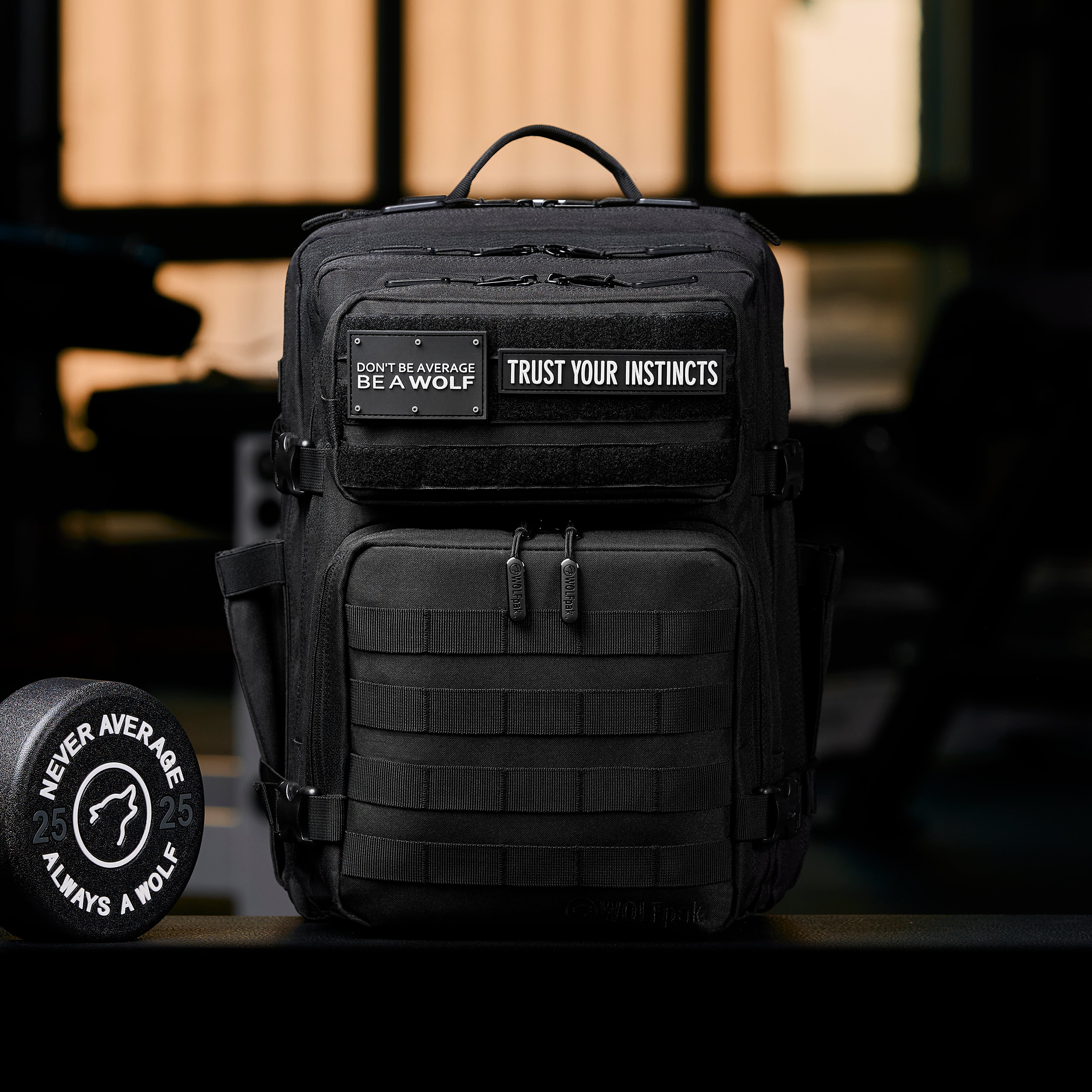
A 25L backpack can offer a practical balance between carrying everyday equipment and maintaining a manageable organization system, depending on its compartment layout. Prioritize pockets you can identify and reach without emptying the main storage area, since consistent placement matters more than using every available compartment.
Position Bulky Gear Away From Access Points
Large belongings can obstruct smaller essentials when they occupy the wrong part of your backpack. Extra clothing and bulky equipment may block interior pockets or press against items near the opening. Consider how these objects affect available space before deciding where to place them.
Pack bulky items in sections where they won't interfere with compartments you use frequently. Depending on the backpack's design, this may mean positioning them deeper in the main compartment while preserving access to smaller pockets.
Make Strategic Use of Exterior Pockets
Exterior pockets can reduce the need to open your backpack whenever you want something simple. A water bottle, for instance, may fit conveniently in a designated side holder, allowing you to retrieve it without disturbing the main compartment.
However, accessibility shouldn't come at the expense of security. Keep valuables in secure, closable compartments, especially when traveling through crowded areas. Consider whether an item could fall out or become accessible to someone else before assigning it an exterior location.
Use Pouches Without Creating Extra Obstacles

Small organizers can improve accessibility when your backpack lacks dedicated spaces for certain accessories. A compact pouch keeps related items together and prevents charging cables or personal-care products from becoming tangled with other belongings.
However, additional organizers aren't helpful if you must open several containers to retrieve one frequently used item. Reserve pouches for belongings that benefit from staying together, particularly when you generally need multiple pieces at once.
Prevent Gear From Shifting During Movement
A carefully arranged backpack can become disorganized when its contents move during walking, commuting, or other activities. Empty spaces between belongings allow smaller objects to settle beneath heavier equipment, making them harder to find later.
Use available compartments to separate belongings and position heavier equipment where it remains stable without blocking access. Check that the bag closes comfortably and that its contents don't shift excessively when you lift or carry it.
Pay attention to how your backpack's contents settle after you've worn it for a while, particularly when carrying items of different sizes. If smaller accessories consistently end up beneath larger belongings, reconsider their placement or move them into a more secure compartment where they'll remain accessible.
Test Your Packing Arrangement Before Leaving
A backpack can appear organized, yet prove inconvenient when you need something. Before leaving, close the bag and try retrieving a few frequently used items as you normally would. Notice whether you can locate them immediately or whether another object blocks access.
If you repeatedly struggle to reach an accessory, move it to a more convenient compartment and test the placement again. The most effective organization system should feel intuitive during normal activities, not simply look orderly when everything sits in place.
Maintain an Accessible Layout Throughout the Day
Even a practical packing system needs occasional attention as you remove and return belongings. Placing items in random compartments after each use gradually undoes your original arrangement, leaving you searching for essentials later.
At the end of the day, remove unnecessary belongings and clear out any loose receipts, packaging, or other items that have accumulated. Regularly clearing these materials prevents clutter from interfering with the compartments you rely on most.
Make Quick Access Part of Your Everyday Packing Habits
The most useful ways to pack gear you need to reach quickly reflect your activities and the belongings you reach for throughout the day. A consistent arrangement helps you spend less time searching through compartments while giving every important item a predictable location.
Accessibility also depends on choosing a backpack with storage features that complement your needs. Consider the equipment you regularly carry and whether the available compartments provide convenient access without excessive crowding.
If you're looking for a backpack that supports an organized everyday carry, explore WOLFpak's extensive backpack collection and compare the available designs to find an option that suits your gear and routine.
Read more

A gym backpack shouldn't smell unpleasant after every workout, and a few overlooked habits could be the reason those stubborn odors keep coming back.

Your mini backpack may have more room than you think, but is your packing routine working against you? Find out what could be making small spaces feel crowded.
Leave a comment
This site is protected by hCaptcha and the hCaptcha Privacy Policy and Terms of Service apply.