







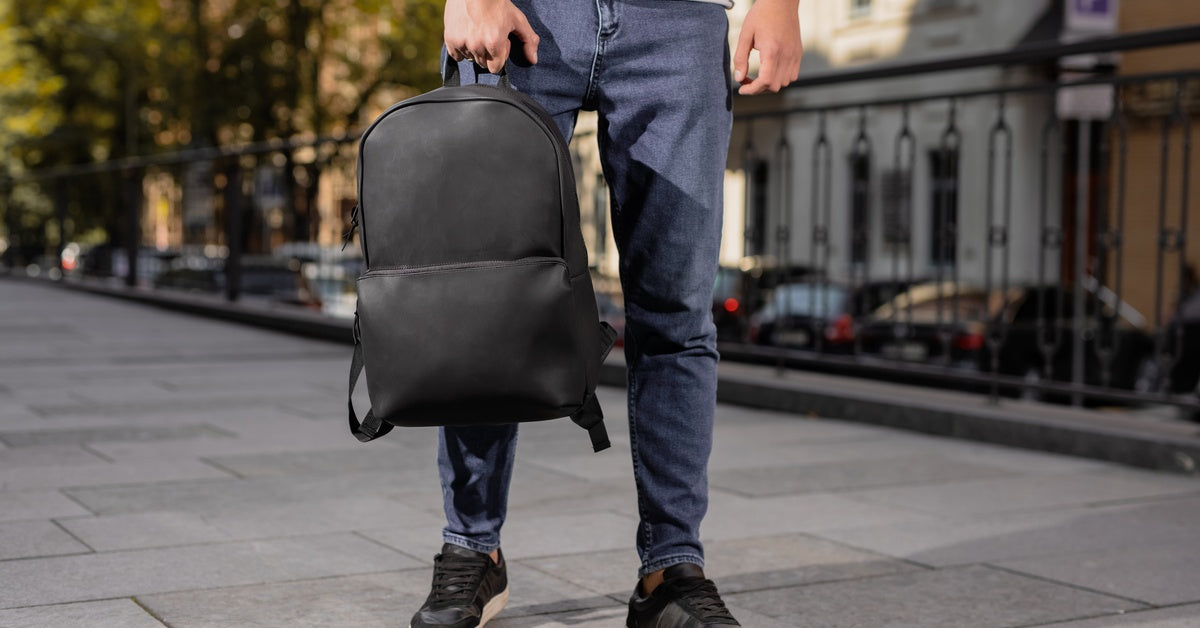
The Difference Between Daypacks and Backpacks
Choosing the right bag depends on your daily carrying needs, as the specific style dictates your comfort, organization, and mobility. Although many people use the terms interchangeably, daypacks and backpacks fill distinct roles. Understanding the differences between day packs and backpacks helps you navigate various environments more effectively and with ease.
The quest for the perfect carry-all often comes down to the details. While a bag for the gym and a bag for a long day out may look similar, their internal architecture dictates your daily success. Analyzing these differences in function allows you to choose a companion that supports your rhythm. In the end, thoughtful design elements transform a heavy load into an effortless carry.
Understanding What a Daypack Is
Rather than chasing maximum volume, the daypack champions the art of the lighter load. Its streamlined frame excels during daily routines that require only the essentials, such as a water bottle, a spare layer, or small personal tech. By prioritizing a smaller footprint, this design supports a lifestyle on the move and accommodates your gear without the burden of unnecessary bulk.
The inherent limitations of a compact architecture naturally enforce a more intentional way of packing for your day. By stripping away excess space, the bag encourages you to trade "just in case" items for a strictly curated kit that serves your immediate task. Ultimately, the daypack favors agility over sheer storage to create the ideal partner for errands, and quick outings.
What Defines a Traditional Backpack
In contrast, traditional backpacks provide the structural integrity required to manage more demanding carry needs. The increased volume and reinforced frames allow these bags to support heavier loads comfortably, whether you are packing a full workday, a campus schedule, or a session at the gym. Focusing on durability and space, this design caters to those who need to transport a significant amount of gear without sacrificing support.

The expanded capacity of a full-sized backpack introduces a level of organizational flexibility that smaller bags simply cannot match. Multiple dedicated compartments and reinforced sections allow you to secure everything from laptops to gym clothes in a way that prevents clutter and protects your equipment. This robust architecture proves its worth during long days or complex routines where having every essential within reach becomes a necessity.
Purposeful Volume and Intentional Carry
When comparing these two options, the most immediate difference lies in how you approach your daily volume. Daypacks prioritize a smaller footprint that naturally encourages lighter packing, forcing you to select only the items you truly need to stay mobile. This minimalist philosophy excels during short outings or casual routines where a bulky bag would only create a restriction.
Traditional backpacks provide the necessary room for those who refuse to compromise on preparation. This extra space allows you to carry a wider range of gear without the need to strictly prioritize one item over another. For complex schedules that involve transitioning from the office to the gym or navigating a long travel day, the added capacity ensures you have every resource at your disposal in a single, reliable solution.
The Architecture of Access and Order
As the internal capacity grows, the way a bag manages your belongings becomes an important factor in your daily efficiency. Daypacks usually rely on a simple layout, utilizing a main compartment and a few small pockets to keep basic items like keys or a wallet within reach. This straightforward design suits a fast pace where you only need to manage a few items without digging through multiple areas.
Larger backpacks introduce sophisticated storage zones that cater to a more diverse inventory. By providing dedicated sections for electronics, clothing, and small accessories, these bags prevent internal clutter and protect sensitive gear, like laptops or tablets. This structured approach becomes a necessary asset during busy days, as it allows you to locate specific items instantly instead of searching through a disorganized void.
Ergonomics and the Physical Toll of the Load

The physical experience of wearing a bag depends heavily on how the design handles the weight against your body. Daypacks feel light and unobtrusive when you carry a minimal load, yet they lack the specialized suspension systems required to manage heavy items for many hours. While their simplicity offers freedom of movement during a light hike or a quick errand, the lack of rigid support can lead to discomfort if you overpack.
Backpacks solve the challenge of heavier gear by distributing weight more evenly across both shoulders and the upper back. Padded straps and reinforced frames reduce the strain on your body, allowing you to maintain your pace even when the bag reaches its full capacity. For anyone who plans to wear their gear for extended periods, this focus on balance and ergonomic support makes the difference between a productive day and physical fatigue.
The Hybrid Solution: Bridging the Gap With Tactical Design
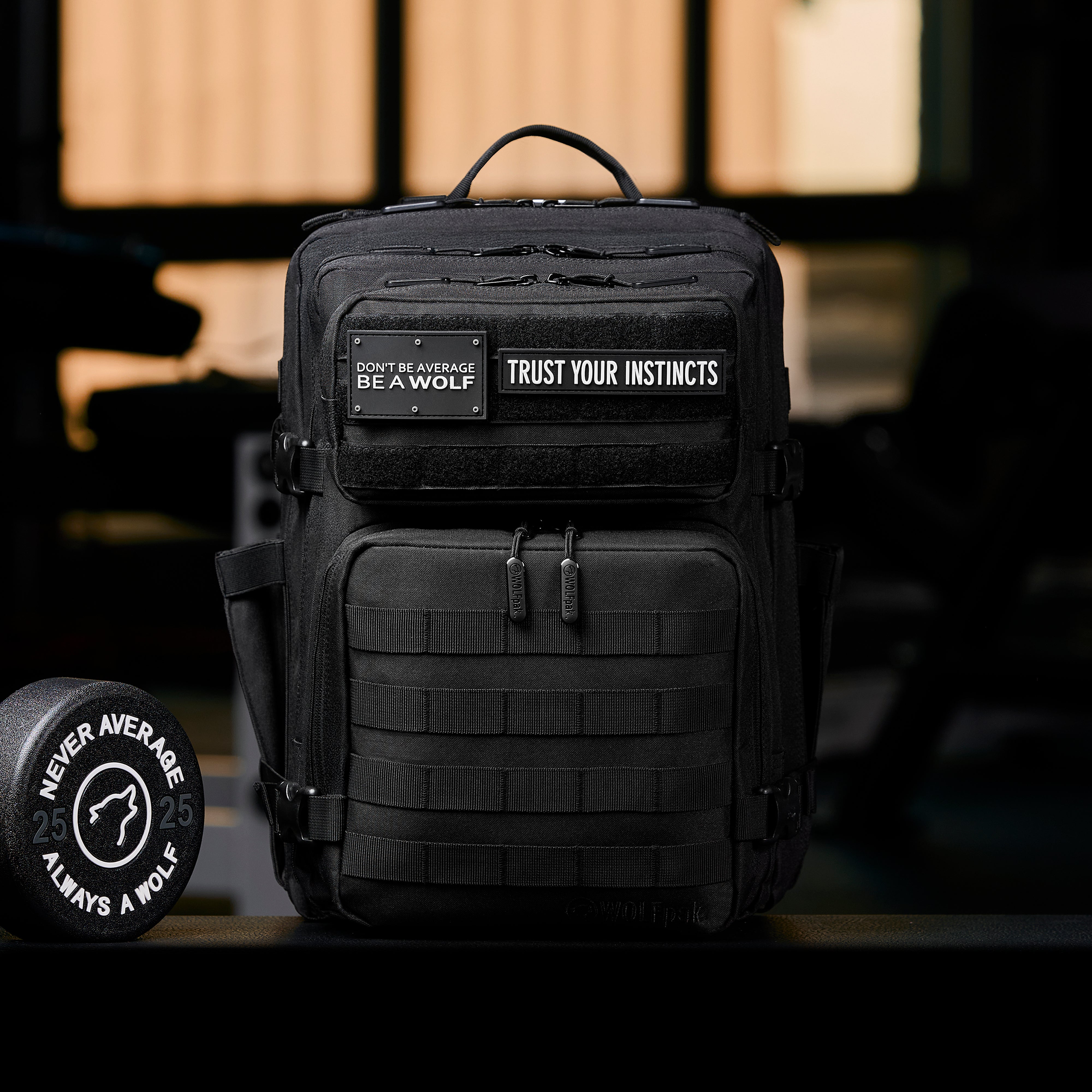
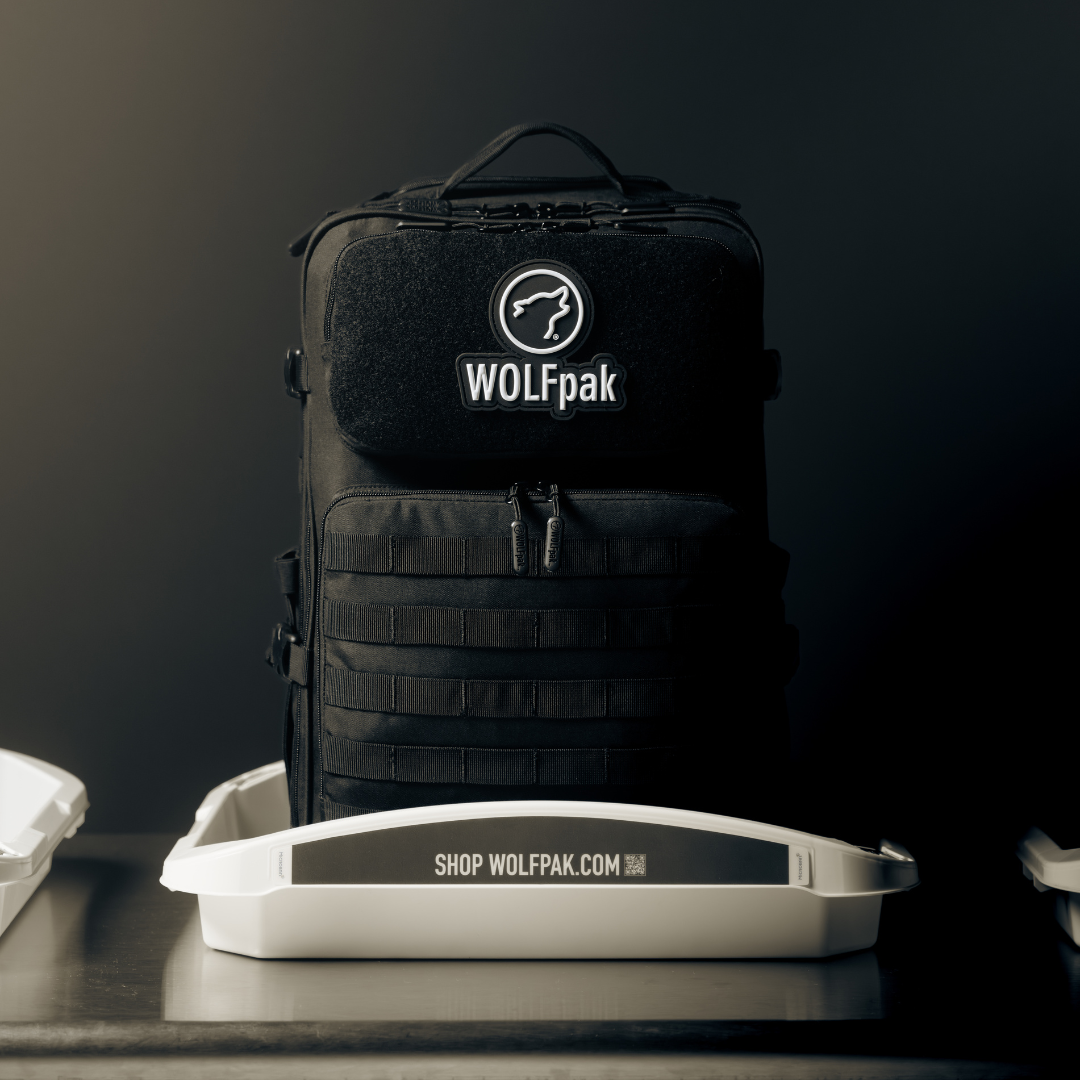
For those who require a balance between minimalist carry and high-capacity storage, a small tactical backpack provides a sophisticated middle ground. This specific style merges the compact, nimble feel of a daypack with the rugged reinforcement and structural integrity usually reserved for heavy-duty backpacks. By blending these two philosophies, the bag offers a specialized tool for users who demand durability without the physical footprint of a full-sized pack.
The inclusion of reinforced materials and modular organization allows this hybrid design to adapt to unpredictable daily schedules with ease. Rather than choosing between a bag that is too small for gear or too bulky for the city, you can rely on a streamlined frame that still protects sensitive electronics and heavy equipment. This versatile bag provides the strength of a backpack and the effortless movement of a daypack in a single package.
Choosing the Right Fit for Your Routine
Understanding the differences between daypacks and backpacks allows you to make more informed decisions about how you carry your essentials. When size, organization, and comfort align with your daily routine, the right bag can simplify movement while keeping everything accessible throughout the day.
No matter where your needs fall, explore WOLFpak’s collection to find durable, well-organized bags designed to support everything from everyday routines to more demanding schedules.
Read more
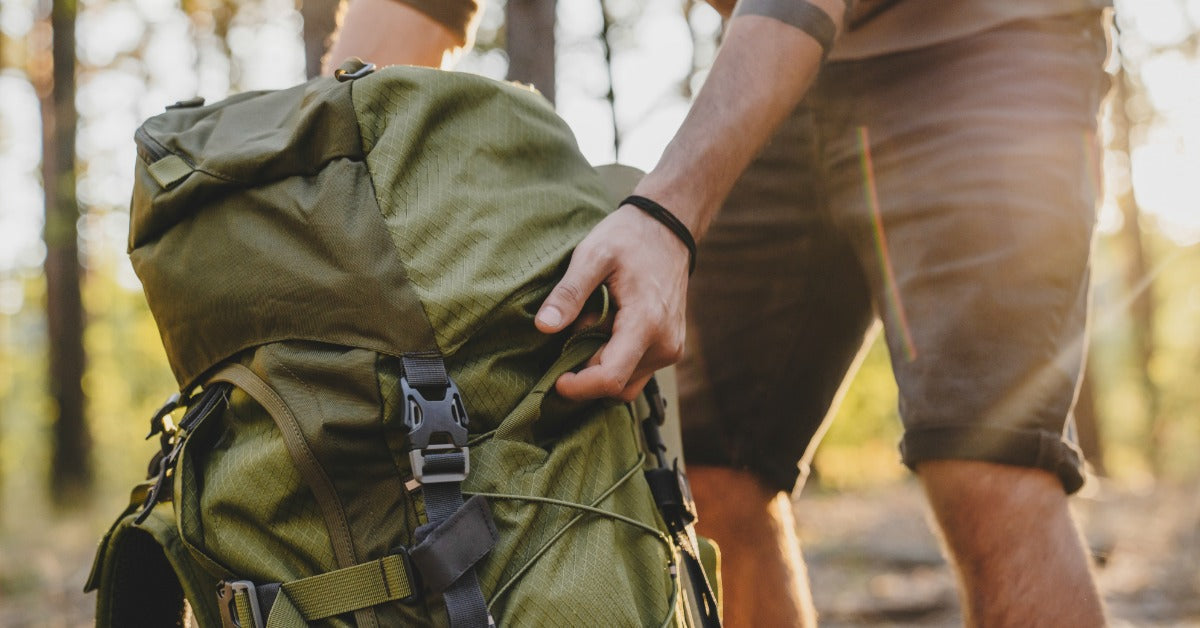
Choose the right hiking backpack with confidence by understanding fit, features, and terrain needs to improve comfort, balance, and outdoor performance.
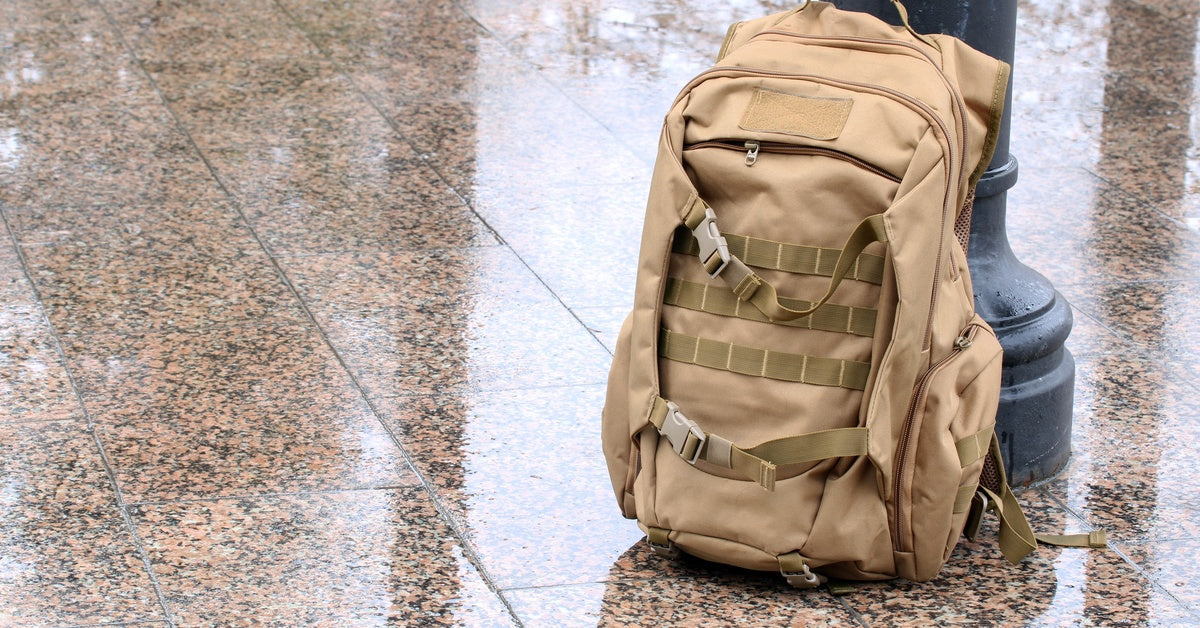
MOLLE systems add more than just extra storage to a backpack. See how this modular design changes the way users organize, carry, and access gear daily.
Leave a comment
This site is protected by hCaptcha and the hCaptcha Privacy Policy and Terms of Service apply.