







Beginner Mistakes To Avoid When Packing Your Backpack
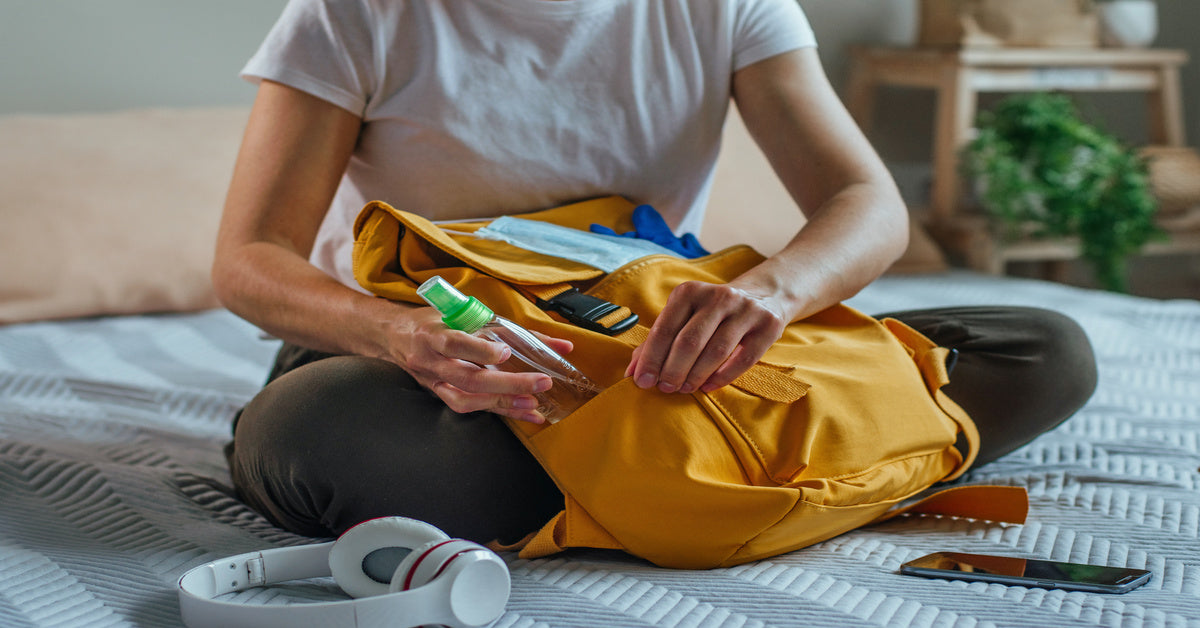
Packing a backpack sounds straightforward, yet the way you organize your gear has a direct impact on comfort, efficiency, and even how long your bag lasts. Gym sessions, long shifts, and daily responsibilities all demand different essentials, and poor packing habits can quickly create frustration. Many of the beginner mistakes to avoid when packing your backpack come down to a lack of planning and structure, rather than the bag itself.
With a more intentional approach, your backpack becomes a tool that supports your day instead of slowing you down. Small adjustments in how you load and arrange your items can change how the bag feels on your shoulders, and those adjustments can extend the life of both your gear and the backpack itself.
Packing Without Defining the Day’s Purpose
One of the most common mistakes beginners make is packing for every possible scenario instead of the one they’re in right now. A gym day does not require the same setup as a travel day, yet people tend to combine gear “just in case,” which adds bulk and unnecessary weight. That extra hoodie, second pair of shoes, or backup accessory may feel harmless at first, but it increases strain on your shoulders and reduces usable space.
Clarifying the goal of the day changes everything. When you identify whether the focus is training, commuting, or school, you naturally eliminate excess and prioritize what supports that mission. Purpose-driven packing keeps your load lighter, your compartments cleaner, and your movements more efficient as you go about your day.
Overloading the Main Compartment Without Structure
Beginners frequently treat the main compartment as one large storage bin, tossing items inside without a plan. Shoes are on top of notebooks, chargers tangle with clothing, and smaller items disappear to the bottom.
A more effective method involves assigning categories to different zones within your backpack. Keeping tech separate from apparel, and food separate from both, prevents damage and makes access quicker. Structure inside the bag reduces wear on your belongings and makes your routine feel more controlled.
Mismanaging Weight Distribution

Improper weight placement is one of the fastest ways to make a backpack uncomfortable. When heavy items sit far from your back panel, they pull your center of gravity backward and increase pressure on your shoulders. That imbalance becomes noticeable during long walks, airport transitions, or extended shifts.
Position heavier gear, such as laptops, textbooks, or meal containers, close to your spine and center it all vertically. Lighter items can sit toward the outer sections without affecting balance. Thoughtful weight distribution protects your posture and makes even a full pack feel more manageable. Over weeks and months, this better balance will reduce fatigue that builds from carrying uneven loads day after day.
Mixing Clean and Dirty Gear
Gym-goers and busy professionals sometimes place used clothing, damp towels, or sweaty accessories directly beside clean apparel or electronics. Moisture transfers easily, and odor can cling to nearby items, especially in enclosed spaces. Very quickly, this habit can affect both the hygiene and the lifespan of your belongings.
Separating clean and dirty gear preserves freshness and reduces the risk of odor and dirt transfer. A dedicated section or washable pouch creates a barrier that keeps post-workout items contained. Plus, maintaining that separation makes unpacking at the end of the day quicker and more sanitary.
Burying Items Where You Can’t Reach Them
Digging through layers of clothing to find a passport, ID badge, or phone charger wastes time and adds unnecessary stress. Beginners frequently pack important items at the bottom of their bag, assuming they’ll remember where everything is, but in fast-paced environments, that assumption falls apart quickly.
Being intentional with your placement allows you to quickly access anything. Items you need frequently deserve consistent, easy-to-locate spots within your backpack. Developing that habit minimizes frustration and keeps transitions smooth, whether you’re at the gym entrance, airport security, or your workplace.
Neglecting Proper Protection for Electronics

Electronics require stability and cushioning, yet beginners sometimes rely on soft clothing as makeshift padding. While a sweatshirt may add minimal protection, it does not prevent shifting or impact from harder objects nearby. Movement inside the bag during walking or travel can cause corners to press against rigid items.
A structured sleeve or reinforced compartment keeps devices upright and supported. Keeping laptops and tablets secured close to the back panel further reduces impact risk. Protecting your tech properly saves you from avoidable damage and expensive replacements.
Allowing Clutter To Accumulate
Backpacks rarely stay organized without continued maintenance. Receipts, empty snack wrappers, spare cables, and unused accessories gradually collect inside, increasing weight without adding value to your daily life. That buildup makes it harder to locate items and can even strain zippers and seams.
Scheduling a weekly reset keeps your pack aligned with your current routine. Removing everything you no longer use restores space and balance. A lighter, cleaner bag improves comfort and makes daily packing faster.
Disorganized Meal Prep Storage
For athletes and long workdays, meal prep is part of staying disciplined. However, loose stacking of containers leads to crushed lids and potential leaks when you add heavier items, like shoes or books, to your bag. Liquid spills can damage electronics and paperwork if everything shares the same space.
Position meal containers upright and secure them in a stable section of your backpack. Keeping food separate from tech and clothing protects both the freshness and functionality of all your essentials and avoids unwanted messes.
Skipping a Repeatable Packing System
Without a repeatable method, packing becomes inconsistent from day to day. Some mornings feel organized, while others result in forgotten items or uneven weight distribution. A simple framework creates reliability and reduces mental load.
An effective system might include:
- Placing heavy items closest to the back panel
- Keeping high-use items in dedicated quick-access areas
- Separating clean and dirty gear
- Centering weight to prevent leaning
- Resetting contents weekly
Consistency with your packing builds efficiency, and efficiency builds confidence in your routine. Eventually, that routine turns packing into a habit rather than a daily guesswork exercise.
Pack With Intention and Upgrade Your System
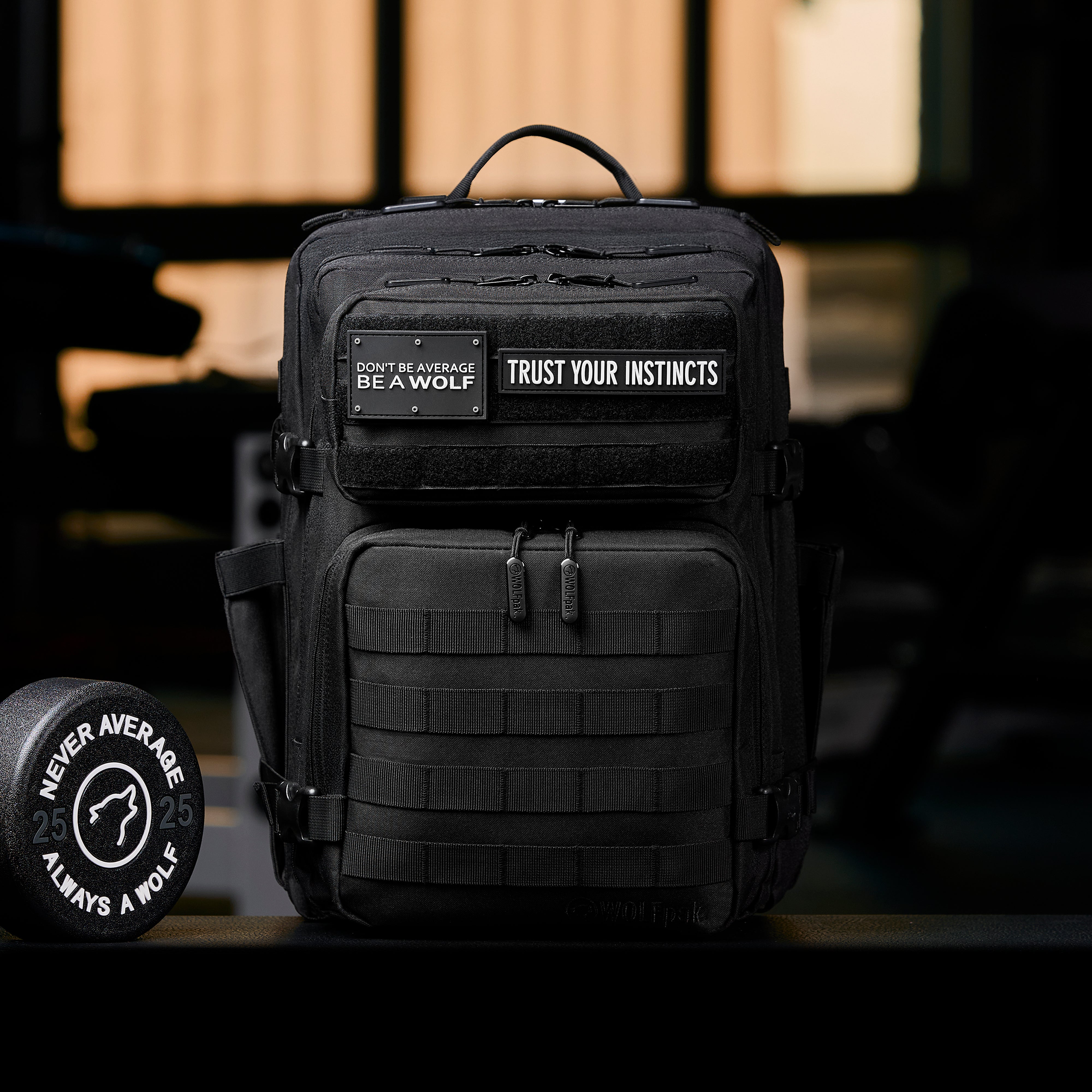
Recognizing the beginner mistakes to avoid when packing your backpack allows you to shift from reactive packing to intentional organization. Balanced weight, smart compartment use, and routine maintenance protect your belongings while improving comfort throughout the day. When your schedule includes training sessions, long commutes, and meal prep, a durable 35L tactical backpack provides the structure and capacity to support that lifestyle without unnecessary bulk.
Explore WOLFpak’s collection to find a backpack designed for real-world demands and build a backpacking system that works as hard as you do.
Read more
Choose the perfect hunting backpack with this detailed guide. From capacity to comfort, find out what features matter most for your next adventure.

From battlefield origins to modern gym and travel gear, tactical backpacks have evolved through innovation, durability, and performance-driven design.
Leave a comment
This site is protected by hCaptcha and the hCaptcha Privacy Policy and Terms of Service apply.